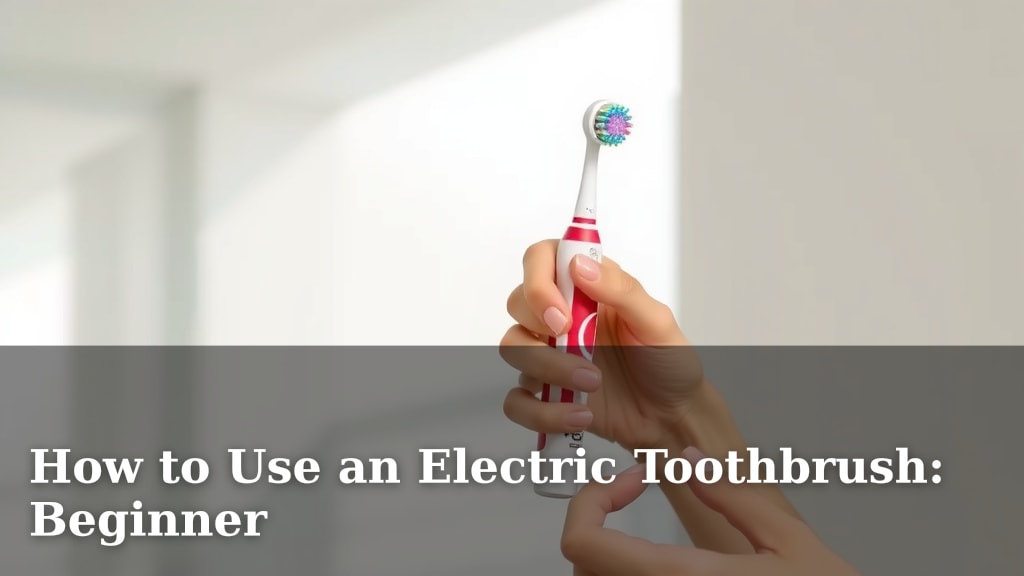
How to Use an Electric Toothbrush: Beginner
Using an electric toothbrush is surprisingly simple! You just need to gently guide the brush head over each tooth surface for a few seconds, letting the brush do the hard work. Don’t scrub like you might with a manual brush; just focus on clean contact. This approach ensures you get a thorough and effective clean.
Electric toothbrushes can feel a little different at first. They often have built-in timers to help you brush for the dentist-recommended two minutes. Many models also feature pressure sensors to prevent you from brushing too hard. We found that these features significantly improve your brushing habits. Remember to keep the brush head at a slight angle towards your gum line.
- Charge your toothbrush fully before first use.
- Apply a pea-sized amount of toothpaste.
- Gently place the brush head on each tooth.
- Let the brush do the cleaning; don’t scrub.
- Brush all surfaces for at least two minutes.
Ready to ditch those manual brushing worries? Let’s walk through exactly how to get the most out of your new electric toothbrush, step by step.
“`htmlGetting Started with Your Electric Toothbrush
So you’ve got a new electric toothbrush! That’s fantastic. It might feel a bit different than what you’re used to, but don’t worry. We’re here to guide you through using it like a pro, right from the start. The biggest difference is that your electric toothbrush does most of the work for you. Your job is to guide it.
Charging and Toothpaste: The First Steps
Before you even turn it on, let’s talk about power and paste. Most electric toothbrushes come with a charging base. For the very first use, you’ll want to give it a full charge. This might take several hours, so check your toothbrush’s manual. A fully charged brush ensures you get consistent power for your brushing sessions.
When it comes to toothpaste, think “less is more.” A pea-sized amount is all you need. You don’t need to cover the whole brush head in paste. The bristles will spread it around as they move. Some people even put the toothpaste on their teeth first, then the brush, but either way works.
The Brushing Technique: Gentle Guidance is Key
This is where things change from your old manual brush. Forget scrubbing back and forth. Your electric toothbrush has tiny, rapid movements that do the cleaning for you. Think of it as gently massaging your teeth.
Positioning the Brush Head
Start by placing the brush head on your teeth. You want to hold it at a slight angle, about 45 degrees, towards your gum line. This angle helps the bristles get under the gum line, where a lot of plaque likes to hide. This is a recommendation often shared by dental professionals (American Dental Association).
One Tooth at a Time
Focus on cleaning one tooth at a time. Hold the brush head on each tooth for a few seconds. Let the bristles do their work. You should feel the vibrations and see the paste move. It’s like giving each tooth a little spa treatment.
You’ll notice your electric toothbrush might have a timer. Many models beep or pause every 30 seconds. This signals you to move to the next section of your mouth. This helps ensure you brush all areas evenly. We found this feature incredibly helpful for pacing.
Don’t Forget All Surfaces
Remember to brush the outer surfaces, the inner surfaces, and the chewing surfaces of all your teeth. It’s easy to rush through the back ones, but give them the same attention.
Outer Surfaces
Start with the outside of your teeth. Hold the brush head against each tooth at that 45-degree angle towards the gums. Move slowly from tooth to tooth.
Inner Surfaces
Next, move to the inside of your teeth. Again, angle the brush towards the gum line. For your front teeth, you might need to tilt the brush head vertically to reach the inner surfaces properly.
Chewing Surfaces
Finally, place the brush head flat on the chewing surfaces of your molars. Let the bristles clean away any food particles.
Pressure Sensors: Protecting Your Gums
Some electric toothbrushes come with a pressure sensor. This is a lifesaver for your gums and enamel! If you press too hard, the sensor will usually light up, vibrate differently, or even stop briefly.
We’ve found that these sensors are great reminders. Many people tend to brush too vigorously, which can damage your gums and wear down your tooth enamel over time. Research indicates that excessive brushing force can lead to receding gums and tooth sensitivity (Cleveland Clinic). Let the brush do the cleaning.
Built-in Timers: The Two-Minute Rule
Dentists recommend brushing for a full two minutes. This is often a challenge with manual brushing, but electric toothbrushes make it easy. Most have a built-in timer that alerts you when two minutes are up.
This ensures you’re giving your teeth the adequate time they need for a thorough clean. Some timers even have quadrant pacing, guiding you to spend 30 seconds on each quarter of your mouth. This systematic approach helps cover all bases.
Rinsing and Storage: The Final Touches
Once you’re done brushing, it’s time for the finishing touches. Rinse your mouth thoroughly with water. You can also rinse your toothbrush head. Some people prefer to just spit out the excess toothpaste and not rinse, allowing the fluoride to remain on their teeth longer.
After rinsing your brush head, shake off any excess water. Store your electric toothbrush upright in a holder or cup. This allows it to air dry properly. Avoid storing it in a closed container where moisture can build up, which can encourage bacterial growth.
What to Expect in Your First Few Weeks
It’s normal for your electric toothbrush experience to feel a bit strange at first. You might notice a different sensation, or perhaps you’ll find yourself accidentally pressing too hard until you get used to the pressure sensor.
We found that after about a week or two, most users adapt quickly. The feeling of clean is often superior to manual brushing. Many dental professionals observe improved oral hygiene in patients who switch to electric models (Mayo Clinic). Stick with it!
Quick Start Checklist
- Charge it up: Make sure your toothbrush is fully charged before your first use.
- Pea-sized paste: Use only a small amount of toothpaste.
- Gentle placement: Place the brush head on each tooth, angled towards the gums.
- Let it vibrate: Guide the brush; don’t scrub.
- Two minutes minimum: Use the timer to ensure adequate brushing time.
- Clean all surfaces: Don’t forget the insides and chewing surfaces.
Conclusion
You’re now ready to master your electric toothbrush! Remember, the key is gentle guidance, not scrubbing. Let the brush head do the work on each tooth for a few seconds. Pay attention to the built-in timers and pressure sensors; they’re designed to perfect your technique. You’ve got this! Keep up this new routine, and you’ll feel a superior clean in no time. Your smile will thank you for the consistent care.
Frequently Asked Questions
How long should I brush with an electric toothbrush?
Dentists recommend brushing for a full two minutes. Most electric toothbrushes have built-in timers that alert you when two minutes are up. Use these timers to ensure you’re giving your teeth adequate time for a thorough clean.
Do I need to press hard with an electric toothbrush?
No, you absolutely do not need to press hard. In fact, pressing too hard can damage your gums and enamel. Let the electric toothbrush’s vibrations do the cleaning. If your brush has a pressure sensor, it will alert you if you’re pushing too hard.
How do I clean my electric toothbrush head?
After each use, rinse the brush head thoroughly under running water to remove toothpaste and debris. Shake off any excess water and store the toothbrush upright so it can air dry properly. This helps prevent bacterial growth.
Can I use my regular toothpaste with an electric toothbrush?
Yes, you can use your regular fluoride toothpaste. You only need a pea-sized amount, as the electric toothbrush is very efficient at distributing it. Some people prefer specific pastes for electric brushes, but it’s not a requirement.
How often should I replace my electric toothbrush head?
You should replace your electric toothbrush head approximately every three to four months. Worn-out bristles are less effective at cleaning and can harbor bacteria. Many brush heads also have indicator bristles that fade to remind you when it’s time for a replacement.