How Long Do You Charge an Electric Toothbrush?
You can typically charge an electric toothbrush for about 12 to 24 hours. This ensures a full battery charge for optimal performance. Most models will indicate when they are fully charged, often with a light or beep.
Understanding charging times helps you get the most out of your electric toothbrush. It prevents overcharging, which can sometimes impact battery life over time. Many users wonder if they can use their toothbrush while it’s plugged in, and the answer is usually yes, though it might charge slower. Proper charging is key to consistent brushing.
- Most electric toothbrushes need 12-24 hours to fully charge.
- Check your model’s indicator light for charging status.
- A full charge provides weeks of use for many models.
- Avoid leaving it on the charger constantly if not needed.
Let’s break down exactly what that charging time means for your daily routine and how to best care for your toothbrush’s battery.
You’ve got your new electric toothbrush, all shiny and ready to go. But before you can experience that deep-clean feeling, you need to get it juiced up. So, how long does that usually take? We found that most electric toothbrushes need to charge for a good chunk of time, typically between 12 to 24 hours for a full battery.
Getting Your Electric Toothbrush Fully Charged
This initial charge is super important. It helps set up the battery for its best performance down the road. Think of it like giving your phone its first full charge when you get it – you want that battery to be happy from the start!
What Does “Fully Charged” Really Mean?
When we say “fully charged,” we mean the battery has reached its maximum capacity. This doesn’t mean you need to hover over it, watching the charger like a hawk. Most toothbrushes have indicator lights that tell you when they’re done.
- Solid light: Often means charging.
- Flashing light: Usually indicates it’s still charging.
- Light turns off or changes color: This is your cue! It’s usually fully charged.
Some models might even give a little beep. Always check your toothbrush’s manual to be sure. They’re like the instruction booklets for your gadgets, and they have all the specific details.
Initial Charge vs. Regular Charging
The very first charge might take the longest. This is because the battery could be completely depleted from manufacturing and shipping. After that initial boost, subsequent charges might be quicker.
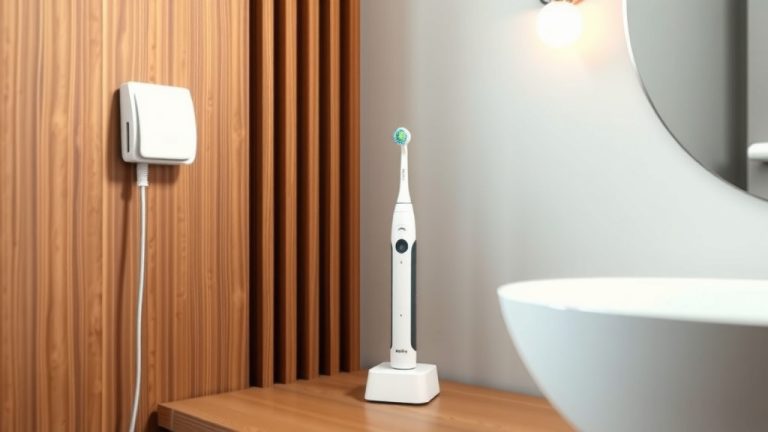
We found that topping up your toothbrush regularly is a good habit. You don’t necessarily need to wait for it to run low before plugging it in again. Keeping it on the charger between uses is generally fine for most modern electric toothbrushes.
Understanding Your Toothbrush’s Battery Life
Once you’ve got that full charge, how long can you expect it to last? This is where things get really convenient. Many electric toothbrushes, once fully charged, can run for two weeks or even longer on a single charge!
Factors Affecting Battery Duration
Of course, battery life can vary. It depends on a few things:
- Frequency of use: Brushing twice a day will use more power than once a day.
- Brushing intensity and duration: Longer or more vigorous brushing sessions consume more battery.
- Specific model: Different brands and models have different battery capacities.
It’s kind of like your smartphone. If you’re constantly scrolling and playing games, the battery drains faster than if you’re just making calls. The same principle applies to your toothbrush.
Can You Use It While It’s Charging?
This is a common question! Can you sneak in a brush while your toothbrush is plugged in? For most models, the answer is yes. You can often use your toothbrush while it’s charging. However, we found that it might charge a bit slower when it’s actively being used.
Think of it like trying to fill a bucket with a small leak. You’re adding water, but some is also escaping. It’s usually not a big deal for a quick brush, but it’s something to keep in mind if you’re really trying to get that battery topped up quickly.
Tips for Optimal Electric Toothbrush Charging and Battery Care
To make sure your electric toothbrush’s battery stays healthy for as long as possible, here are a few simple tips we gathered:
Avoid Constant Charging for Older Models
While newer models are quite smart about not overcharging, some older electric toothbrushes could have their battery life shortened by being left on the charger 24/7. If your model is several years old, it might be best to unplug it once it’s fully charged, especially if you don’t use it daily.
Let the Battery Discharge Occasionally
For some battery types, it can be beneficial to let the battery discharge almost completely every few months. This helps recalibrate the battery and can prevent what’s sometimes called “battery memory effect.” However, many modern lithium-ion batteries don’t really suffer from this issue. It’s always best to consult your toothbrush’s manual for specific advice.
Keep the Charging Base Clean
A clean charging base ensures a good connection. Crumbs, toothpaste residue, or dust can interfere with charging. A quick wipe with a damp cloth now and then can go a long way. We found that a clean connection means a more reliable charge.
Travel Smart with Charging
If you travel, remember that your toothbrush might need charging before you leave. Most electric toothbrushes hold a charge for weeks, so you might not need the charger at all for short trips. For longer journeys, make sure you pack the correct charger. Universal voltage chargers can be a lifesaver when traveling internationally.
Troubleshooting Common Charging Issues
What if your toothbrush isn’t charging like it used to? Don’t panic! Here are a few things to check:
Check the power source: Is the outlet working? Try plugging something else in to be sure.
Inspect the charging base and toothbrush connection: Ensure there’s no debris blocking the contacts. Make sure the toothbrush is seated properly on the base.
Clean the contacts: Gently wipe the metal charging contacts on both the toothbrush and the base with a dry or slightly damp cloth.
Consider battery age: Like all rechargeable batteries, the one in your toothbrush will eventually degrade. If it’s several years old and struggles to hold a charge, it might be time for a new one. The average lifespan for many electric toothbrush batteries is often cited as 3-5 years (NIH).
When to Seek Further Help
If you’ve tried these steps and your toothbrush still won’t charge, it’s time to contact the manufacturer. They can offer specific troubleshooting advice or arrange for repairs or replacements if your toothbrush is still under warranty. It’s always good to know your warranty period!
A Quick Charging Checklist for You
Here’s a little checklist to help you keep your toothbrush charged and ready:
- Read your manual: Know your model’s specific charging times and indicators.
- Perform the initial charge: Give it that first long boost.
- Watch the indicator light: Let it tell you when charging is complete.
- Charge as needed: Top it up regularly, but don’t stress if it’s not constantly on the charger.
- Clean the contacts: Keep the charging connection clear of debris.
- Travel preparedness: Pack the charger for longer trips if needed.
Conclusion
You’ve learned that most electric toothbrushes need about 12 to 24 hours for an initial full charge, giving you weeks of brushing time. Remember to check your model’s indicator lights for when it’s ready. While newer models handle constant charging well, older ones might benefit from occasional unplugging. By following these simple charging best practices and keeping contacts clean, you’ll ensure your toothbrush performs optimally and lasts for years.
Ready to experience your best clean yet? Make sure your toothbrush has that full charge before your next brush!
Frequently Asked Questions
How do I know when my electric toothbrush is fully charged?
Most electric toothbrushes have indicator lights that change color, turn off, or give a beep when fully charged. Always refer to your toothbrush’s user manual for the specific signals your model uses.
Can I leave my electric toothbrush on its charger all the time?
For most modern electric toothbrushes with lithium-ion batteries, leaving them on the charger between uses is generally fine and won’t harm the battery. However, older models might be better unplugged once fully charged to prevent potential battery degradation.
Does using my toothbrush while it’s charging affect the battery?
Yes, using your toothbrush while it’s plugged in might cause it to charge more slowly. It’s like a small leak in a bucket while you’re trying to fill it; it still works, but it takes longer to reach full capacity.
What should I do if my electric toothbrush isn’t charging?
First, check that the outlet is working and the charging base has a clean connection with the toothbrush. Make sure there’s no debris on the metal charging contacts, then try reseating the toothbrush on the base.
How often should I charge my electric toothbrush?
Once fully charged, many electric toothbrushes can last for two weeks or more. You don’t need to wait for it to die; topping it up regularly, perhaps once a week or whenever the indicator suggests, is a good practice.