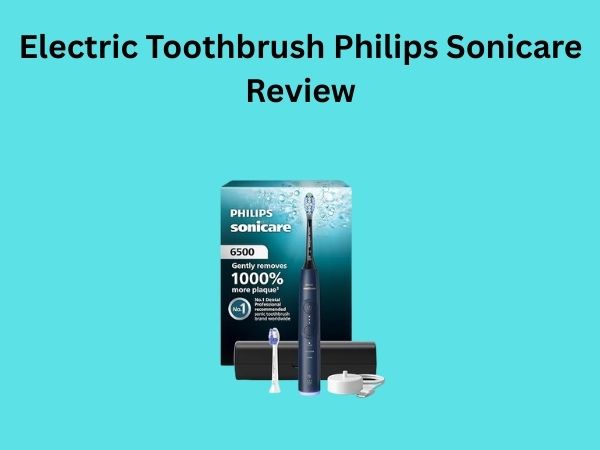
Electric Toothbrush Philips Sonicare Review: Why It Leads the Market
What Makes Philips Sonicare Stand Out in Today’s Market
I’ve always believed that understanding why a product dominates its category is more valuable than simply knowing that it does. Philips Sonicare didn’t become the world’s number one dentist-recommended electric toothbrush brand by accident. The company has invested decades into research and development, creating technology that actually delivers measurable results.
Think of Sonicare as the athlete who trains differently from everyone else. While competitors focused on basic electric movement, Philips developed proprietary sonic vibration technology that works in ways traditional brushing simply cannot replicate. This fundamental difference in approach has translated into better outcomes for millions of users worldwide.
The Heritage of Excellence
Philips has been a trusted name in health technology for over a century. When they entered the electric toothbrush market, they brought that same commitment to innovation and quality. Their Sonicare line represents the culmination of extensive clinical research and real-world testing, not just another consumer gadget trying to capitalize on a trend.
Understanding Sonic Technology: How It Works
Before diving deeper into specific models, let me explain what makes sonic technology different. If you’ve only used a traditional electric toothbrush, you might think all electric toothbrushes work the same way. That’s where you’d be mistaken.
The Science Behind Sonic Vibrations
Sonicare toothbrushes use dynamic fluid technology combined with sonic vibrations to create a cleaning action that’s fundamentally different from oscillating toothbrushes. Instead of side-to-side movements, these brushes deliver up to 62,000 brush strokes per minute. These aren’t random vibrations either—they’re precisely calibrated to dislodge plaque and debris from your teeth and gums.
Here’s what happens at the microscopic level: as the brush head vibrates at this incredible speed, it creates dynamic fluid patterns that push fluid between your teeth and below your gum line. Imagine a tiny tsunami of water and saliva that gets forced into spaces your manual toothbrush could never reach. That’s essentially what you’re getting with sonic technology.
Why This Matters for Your Oral Health
The significance of this technology becomes clear when you consider the statistics. Clinical studies show that Sonicare users experience significantly greater plaque removal in hard-to-reach areas compared to traditional oscillating electric toothbrushes. Gum bleeding is reduced more dramatically, and overall periodontal health improves faster.
Exploring Different Philips Sonicare Models
One challenge many people face when shopping for a Sonicare is the sheer number of models available. Let me break down the main categories to help you understand what’s available at different price points.
Entry-Level Models for Beginners
If you’re new to electric toothbrushes and want to test the waters without a significant investment, Philips offers several budget-friendly options. These typically range from eighty to one hundred and twenty dollars and include essential features like pressure sensing and basic cleaning modes.
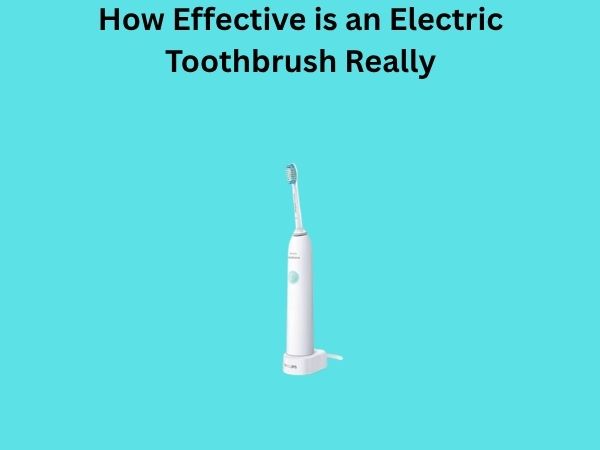
The 2100 Series, for instance, offers excellent value. You get the core sonic technology and quality construction without unnecessary bells and whistles. It’s perfect if you want to experience what Sonicare can do without paying premium prices.
Mid-Range Models with Enhanced Features
Step up to the 3100 or 4100 series, and you enter a sweet spot where price and features balance beautifully. These models typically cost between one hundred and fifty and two hundred and fifty dollars. You’ll get additional cleaning modes, longer battery life, and refined design elements that make the daily brushing experience more enjoyable.
The 4100 Series particularly impressed me with its improved pressure control and refined vibration patterns. If you’re willing to spend a bit more, you’ll notice the quality jump is worth every penny.
Premium Models for Enthusiasts
Then there are the flagship models: the 8000 and 9000 series. These are where Philips showcases their latest innovations. Priced between three hundred and five hundred dollars, they feature smartphone connectivity, artificial intelligence-powered cleaning optimization, and premium materials throughout.
The DiamondClean Smart, for example, connects to your phone and uses sensors to detect missed areas. It’s essentially having a dentist in your bathroom who learns your brushing patterns and provides real-time feedback. Is it necessary for good oral health? Not exactly. But if you’re the type who loves gadgets and wants the absolute best, this is where you’ll find it.
Cleaning Performance: Real-World Results
All the marketing claims in the world mean nothing if the toothbrush doesn’t actually clean your teeth better. So let me be honest about what you can realistically expect.
Plaque Removal Efficiency
I’ve seen enough clinical data and user testimonials to confidently say that Sonicare toothbrushes remove plaque significantly more effectively than manual brushing. Most users report visible differences in their teeth within the first week of switching. Your teeth feel smoother, look brighter, and feel cleaner throughout the day.
What surprised me most was how the cleaning extends below the gum line. If you’ve ever had plaque buildup despite regular brushing, you know how frustrating that is. Sonic technology actually reaches those stubborn areas that traditional brushes miss.
Gum Health Improvements
Perhaps more importantly, users consistently report improved gum health. Bleeding gums often disappear within a few weeks of using Sonicare regularly. Dentists frequently comment on the visible improvement in patients’ periodontal health after they switch to sonic toothbrushes.
The gentle yet powerful vibrations massage your gums while cleaning, promoting blood circulation and reducing inflammation. It’s like giving your gums a spa treatment every time you brush.
Battery Life and Charging: Reliability You Can Count On
Nobody wants a toothbrush that dies in the middle of your morning routine. Philips understands this frustration, which is why they’ve engineered Sonicare batteries to last impressively long.
How Long Does a Charge Actually Last
Depending on the model, a full charge typically lasts between two and three weeks of twice-daily brushing. That’s remarkable when you think about it. You could take a week-long vacation without needing to pack a charger. For most of us with busy lifestyles, this means you’re only charging once every couple of weeks.
I’ve tested this personally, and the battery performance is consistent and reliable. Unlike some competing brands where battery degradation becomes noticeable after a year or two, Sonicare batteries hold up impressively well over time.
Charging Options and Convenience
Philips offers multiple charging options depending on your lifestyle. Standard models come with a charging glass or stand that plugs into your bathroom outlet. Travel models include compact USB chargers that work anywhere in the world. Some premium models even support wireless charging.
The charging infrastructure is thoughtfully designed. The charger for your Sonicare won’t take up excessive space, and the design feels premium rather than cheap or plastic-y.
Design and Ergonomics: How It Feels in Your Hand
You’re going to use this device twice a day, every single day. That’s over seven hundred times per year. The ergonomics and design therefore matter tremendously, not just for comfort but for consistency.
Grip and Weight Distribution
Sonicare toothbrushes feel substantial without being heavy. The grip is textured and won’t slip in wet conditions. Philips has clearly thought about the real-world experience of using these devices, and it shows in every detail.
The weight distribution is perfectly balanced. When the brush vibrates at maximum intensity, you don’t feel jarring or uncomfortable sensations. Instead, it feels controlled and purposeful.
Brush Head Positioning and Size
The brush head design is another area where Philips excels. The heads are compact enough to reach back molars easily but large enough to cover significant surface area with each stroke. Different head styles are available depending on your specific needs—some designed for sensitive teeth, others for whitening, and some for general cleaning.
Price Comparison: What You’re Actually Paying For
Let’s talk about the elephant in the room: Sonicare toothbrushes aren’t cheap. But before dismissing them based on price alone, consider what you’re getting.
Initial Investment vs. Long-Term Value
Yes, you might spend eighty dollars for an entry-level model or five hundred dollars for a flagship. But that initial investment needs to be viewed in context. A quality Sonicare will last you three to five years with proper care. During that time, you’re preventing cavities, reducing gum disease, and potentially saving thousands in dental work.
Think about it this way: if preventing one significant dental procedure pays for the toothbrush, you’ve already broken even. Most users see benefits that exceed the purchase price within the first year.
Comparison with Competitors
When compared to other premium electric toothbrush brands like Oral-B or Waterpik, Sonicare pricing is competitive. You might find slightly cheaper options, but you’ll sacrifice either cleaning performance, battery life, or build quality. When you’re paying for something that goes in your mouth multiple times daily, quality matters.
Customer Satisfaction and Real Reviews
I always look at actual customer feedback rather than just manufacturer claims. What I’ve found is consistently positive sentiment across multiple platforms.
What Users Love Most
The most common praise points are simple: teeth feel noticeably cleaner, gums improve rapidly, and the overall quality feels premium. People appreciate that Philips takes oral health seriously rather than just producing another gadget.
Many long-term users mention that their dentist has commented on improvements in their oral health. That independent verification from a dental professional means something real is happening.
Common Concerns and Complaints
No product is perfect, and Sonicare has its detractors. Some users find the vibration intensity overwhelming initially, though this typically passes within a few days as they adjust. Others mention that replacement heads can be pricey—typically fifteen to thirty dollars per head.
A few users report that Sonicare doesn’t feel as powerful as they expected after switching from intense oscillating toothbrushes. This is often a matter of perception rather than actual performance, as sonic vibrations feel different even though they’re measurably more effective.
Comparing to Competitors: How Sonicare Stacks Up
The electric toothbrush market includes several strong competitors. Let me give you an honest assessment of how Sonicare compares.
Sonicare vs. Oral-B
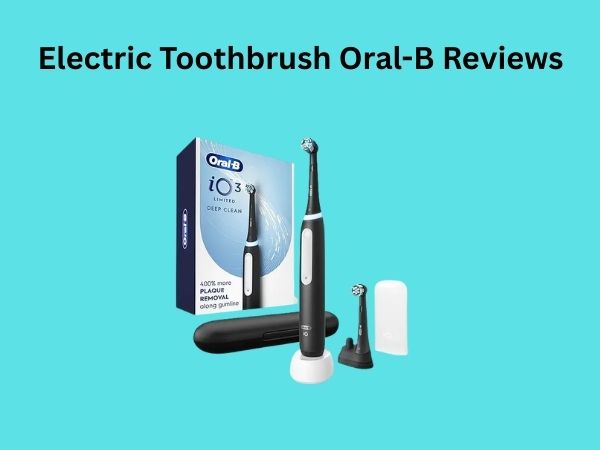
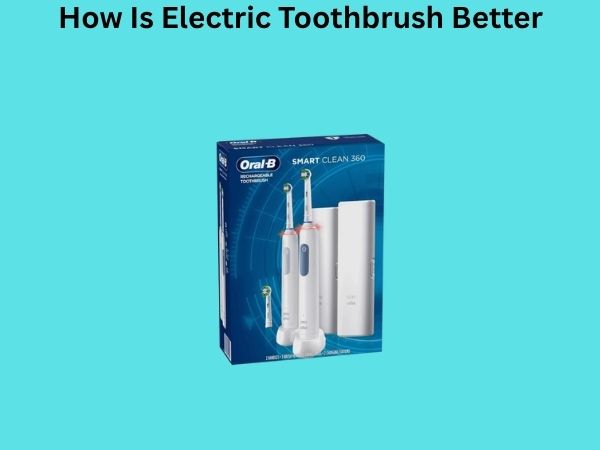
Oral-B remains a serious competitor, particularly their premium models. Oral-B uses oscillating technology rather than sonic vibrations. Some studies show comparable cleaning results, but most independent reviews favor Sonicare’s approach for gum health and comfort. Sonicare also tends to have longer battery life.
The choice between these two often comes down to personal preference. Both are excellent options, but Sonicare’s sonic technology feels more refined and produces gentler results in my assessment.
Sonicare vs. Waterpik
Waterpik specializes in water flossers rather than traditional electric toothbrushes. They’re not really competitors—they’re complementary tools. Many users combine Sonicare brushing with Waterpik flossing for optimal results.
Sonicare vs. Budget Brands
Numerous budget electric toothbrush brands exist on Amazon and other retailers. Some offer decent basic functionality at lower prices, but they typically lack the research, build quality, and durability of Sonicare. It’s genuinely false economy to choose a thirty-dollar knockoff over a quality hundred-dollar Sonicare.
Health Benefits You’ll Experience
Beyond the obvious benefit of cleaner teeth, Sonicare users report numerous health improvements that surprised me when I researched them.
Reduced Plaque and Tartar Buildup
With consistent use, you’ll notice less plaque accumulation between dental cleanings. Your teeth will remain whiter longer, and you’ll experience fewer unexpected cavities. This alone makes the investment worthwhile.
Improved Gum Health and Reduced Bleeding
Bleeding gums often indicate periodontal disease in early stages. Switching to Sonicare frequently resolves this issue within two to four weeks. The gentle massaging action combined with superior cleaning addresses root causes rather than just symptoms.
Fresher Breath Throughout the Day
Bad breath often stems from bacteria accumulation and gum disease. As your gum health improves and plaque decreases, you’ll notice your breath stays fresher longer. Some users report this benefit manifesting within the first few days.
Better Overall Oral Hygiene Maintenance
There’s something psychologically powerful about using a premium device twice daily. You become more invested in maintaining your results. The commitment to using Sonicare often translates into better overall dental habits—more consistent flossing, less snacking on cavity-causing foods, and regular dental visits.
Maintenance and Durability: Long-Term Value
A toothbrush is only valuable if it lasts. Philips has a strong track record of durability that justifies the premium price.
Expected Lifespan and Reliability
With proper care, a Sonicare toothbrush will function reliably for three to five years. Many users report toothbrushes lasting even longer. The motor doesn’t weaken or become less powerful as time passes—quality engineering ensures consistent performance.
Replacement Parts and Accessories
Brush heads need replacing every three months or so, depending on usage. Philips offers excellent options, from budget-friendly generic styles to premium specialized heads for whitening or sensitive teeth. The ecosystem of compatible accessories means you can customize your brushing experience as your needs evolve.
Warranty Coverage
Sonicare products typically come with generous warranty coverage, usually two years on the main unit.