How Long to Replace Electric Toothbrush Heads: A Guide
You should replace your electric toothbrush head every Our guide to the best electric toothbrush head can help you choose.3 months. This is the general recommendation from dentists and manufacturers alike. Sticking to this schedule helps ensure you get the best cleaning performance and avoid potential oral health issues.
Your electric toothbrush is a powerful tool for a healthy smile. But like any tool, its parts need attention. A worn-out brush head can actually be less effective and even a bit unhygienic. We found that consistent replacement leads to a noticeably cleaner feel.
- Brush heads usually last 3 months.
- Check for frayed bristles.
- This ensures effective plaque removal.
- It also maintains hygiene.
- Don’t forget to replace the handle too, eventually!
Let’s get into the details on how to know exactly when it’s time to swap out that brush head and why it matters so much.
When Should You Swap Out Your Electric Toothbrush Head?
Your electric toothbrush is a fantastic tool for keeping your smile sparkling. But are you getting the most out of it? Many folks wonder about the right time to replace their electric toothbrush heads. The general consensus from dental professionals is clear: aim to replace your brush head about **every three months**. This simple habit plays a big role in keeping your mouth healthy and your clean feeling top-notch.
The Three-Month Rule: Why It Matters
Think of your toothbrush head like the tires on your car. Over time, they wear down. Those tiny bristles that do all the hard work of scrubbing away plaque can start to fray and lose their shape. When this happens, they just can’t clean as effectively anymore. We found that sticking to a three-month replacement schedule helps maintain that powerful cleaning action you expect from your electric toothbrush.
What Happens to Worn Bristles?
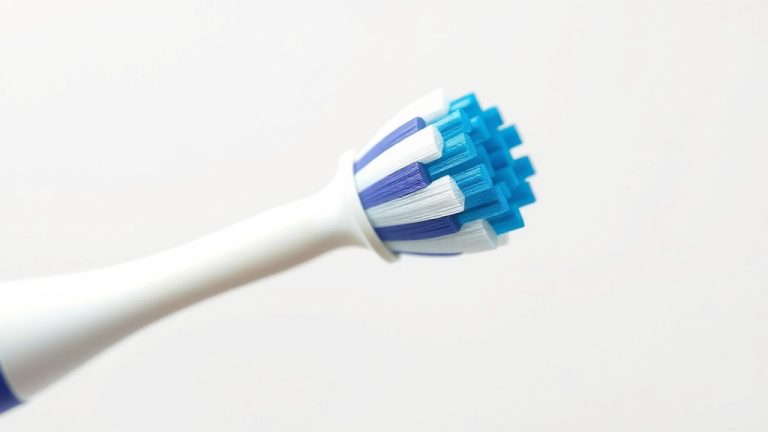
Frayed bristles are less effective at reaching into those tricky spots between your teeth and along your gumline. This means plaque can build up more easily. It’s like trying to sweep with a broom that has half its bristles missing – you’ll miss a lot! Plus, old, worn bristles can be a bit rough on your gums, potentially causing irritation over time.
Signs Your Brush Head Needs Replacing Sooner
While three months is a good guideline, you might need to replace your brush head even sooner. Your brushing habits and the specific type of brush head you use can influence its lifespan. It’s always a good idea to give your brush head a quick visual check regularly.
Visible Wear and Tear: The Obvious Clues
The most common sign is when the bristles start to look splayed or frayed. They might stick out in different directions instead of standing up straight. Some brush heads even have indicator bristles that change color to show when they’re wearing out. If you notice this color change, it’s definitely time for a new one. We found these visual cues are super helpful for knowing exactly when to swap.
Reduced Cleaning Performance: A Subtle Hint
Has your mouth started to feel less clean after brushing? Do you still feel that fuzzy layer of plaque on your teeth? This could be a sign that your brush head isn’t doing its job as well as it used to. Many users report a noticeable difference in how clean their teeth feel after replacing an old brush head with a new one. It’s a subtle hint your brush head might be past its prime.
Illness and Sharing: When to Be Extra Cautious
If you’ve been sick, especially with a cold or flu, it’s a smart move to replace your brush head right away. Germs can linger on the bristles, and you don’t want to reinfect yourself. Also, if you ever share an electric toothbrush handle (which is generally not recommended for hygiene reasons!), you’ll want to replace the head immediately for each new user.
Understanding Brush Head Lifespan Variations
Not all electric toothbrush heads are created equal, and their lifespan can vary. Factors like the brand, the specific model of brush head, and even the pressure you apply when brushing can play a part. Understanding these differences can help you fine-tune your replacement schedule.
Factors Affecting Brush Head Durability
Harder brushing can wear down bristles faster. Think about it – if you’re scrubbing with a lot of force, those tiny bristles are taking a beating. Some brands might design their bristles for longer wear, while others focus on ultra-softness, which can sometimes mean a shorter lifespan. We found that gentler brushing often leads to brush heads lasting the full three months, or even a bit longer.
Comparing Common Brush Head Types
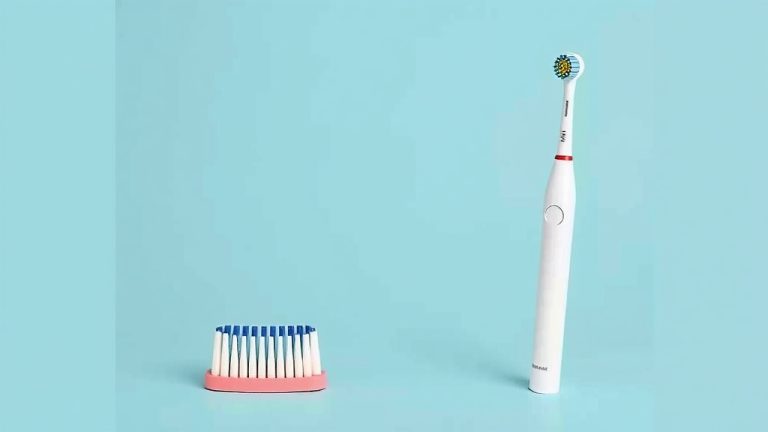
Different electric toothbrush brands offer various types of brush heads. Some are designed for deep cleaning, others for whitening, and some for sensitive gums. While their cleaning focus differs, the general three-month replacement rule usually applies across the board. It’s wise to check the specific recommendations for your particular model, though.
| Brush Head Type | General Lifespan | Key Indicator for Replacement |
|---|---|---|
| Standard Bristle | 3 Months | Frayed or splayed bristles, color change |
| Sensitive Bristle | 3 Months | Bristles lose their shape, reduced cleaning feel |
| Whitening Head | 3 Months | Visible wear on polishing elements, frayed bristles |
| Deep Clean/Interdental | 3 Months | Bristles splayed, reduced flexibility |
Don’t Forget the Handle Eventually!
While we focus a lot on the brush head, the electric toothbrush handle itself doesn’t last forever either. Most manufacturers suggest replacing the entire toothbrush handle every 5 to 10 years. The battery life can diminish over time, and the internal components might wear out. So, while you’re on your three-month brush head replacement cycle, keep an eye on your handle’s performance too!
Signs Your Handle Might Need an Upgrade
Is your toothbrush struggling to hold a charge? Does the motor sound weaker than it used to? These could be signs that the battery is nearing the end of its life. If you notice any cracks or significant wear on the handle, it might be time to consider a new unit. A well-functioning handle is key to powering those effective brush heads.
Your Simple Electric Toothbrush Replacement Checklist
To make keeping track easy, here’s a quick rundown:
- Mark your calendar for a brush head replacement every 3 months.
- Visually inspect bristles weekly for fraying or splaying.
- Replace the head immediately after being sick.
- Note any decrease in cleaning effectiveness.
- Check your handle’s battery life and performance periodically.
- Consider replacing the handle every 5-10 years.
Conclusion
You’ve learned the essentials for keeping your electric toothbrush in top shape. Remember, replacing your brush head every three months is key for optimal cleaning and oral health. Always watch for those tell-tale signs like frayed bristles or a less-than-clean feeling. Don’t forget to consider replacing the handle after 5 to 10 years too, for peak performance. Make a note to mark your calendar or set a recurring reminder. This simple habit will ensure your smile stays healthy and bright for years to come!
Frequently Asked Questions
How often should I really change my electric toothbrush head?
The general recommendation from dentists and manufacturers is to replace your electric toothbrush head every three months. This ensures the bristles stay effective at removing plaque and maintaining good oral hygiene.
Can I use an electric toothbrush head for longer than three months?
While you might be tempted to extend the life of your brush head, worn-out bristles become less effective. They can also harbor bacteria, so sticking to the three-month guideline is best for your oral health.
What does it mean if my toothbrush bristles are splayed?
Splayed or frayed bristles are a clear sign that your brush head is worn out. They can’t reach plaque effectively and might even irritate your gums. It’s time for a fresh head when you see this!
Should I replace my brush head after I’ve been sick?
Yes, absolutely. It’s a smart hygiene practice to replace your toothbrush head immediately after recovering from an illness like a cold or flu. This prevents reintroducing germs to your mouth.
How do I know if my electric toothbrush handle needs replacing?
Look for signs like a significantly weakened battery that doesn’t hold a charge well, or a motor that sounds less powerful. Most handles should be replaced within 5 to 10 years of use.