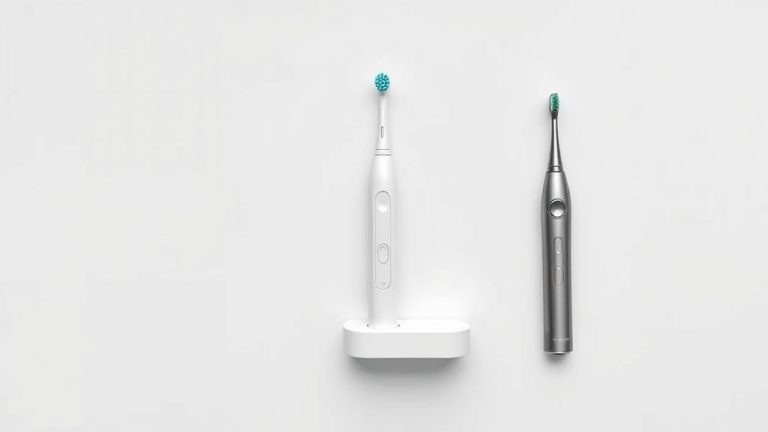
How Often to Replace Your Oral B Electric Toothbrush Head
You should change your Oral-B electric toothbrush head about For more information on Oral B Replacement Heads, check out our guide to the best electric toothbrush replacement heads.every three months. This is the general recommendation from dentists and Oral-B itself. Swapping it out regularly ensures you’re getting the best clean possible. Ignoring this can lead to less effective brushing and potential dental issues.
Keeping your toothbrush head fresh is key to maintaining good oral hygiene. A worn-out brush head can harbor bacteria. It also won’t clean your teeth as effectively as a new one. Many people wonder if there’s a magic number, but three months is a solid benchmark for most.
- Change your Oral-B brush head every 3 months.
- This ensures effective cleaning and hygiene.
- A worn head won’t clean your teeth well.
- It can also lead to more bacteria buildup.
Let’s dive into why this timeline is important and what signs might tell you it’s time for a change sooner rather than later.
Your Oral-B Brush Head: When to Swap It Out
So, you’ve got your trusty Oral-B electric toothbrush, and it’s doing a fantastic job. But when is it time to say goodbye to your current brush head and hello to a fresh one? Most dentists and Oral-B itself agree: every three months is your general rule of thumb. Think of it like changing the oil in your car. Regular maintenance keeps things running smoothly and effectively.
This simple switch ensures you’re getting the best possible clean every time you brush. A brush head that’s past its prime can harbor bacteria and simply won’t sweep away plaque like it used to. We’ll help you understand why this three-month mark is so important and what signs might tell you it’s time for a change even sooner.
Why the Three-Month Rule Matters
Your toothbrush head is on the front lines of your daily oral hygiene battle. It’s constantly working to remove food particles and plaque. Over time, the bristles wear down. They can fray, bend, and lose their effectiveness. This means they can’t reach into those tight spots between your teeth as well.
Research shows that worn bristles can lead to less plaque removal. A study published in the Journal of the American Dental Association highlighted how quickly bristles can become less effective. You might think you’re brushing just as well, but your teeth might not be as clean as you think.
The Impact on Cleaning Power
Imagine trying to scrub a stubborn spot with a worn-out sponge. It’s just not going to cut it, right? The same applies to your toothbrush head. When the bristles spread out and flatten, they lose their ability to dislodge plaque from tooth surfaces and along the gumline. You might end up brushing longer, but with diminished results.
This decreased cleaning power means plaque can build up more easily. Plaque is that sticky film of bacteria that can lead to cavities and gum disease. So, a worn brush head isn’t just less effective; it can actually contribute to oral health problems if you’re not careful.
Hygiene Concerns: More Than Just a Clean Tooth
Beyond just cleaning power, there’s the issue of hygiene. Your mouth contains millions of bacteria. While many are harmless, some can cause issues if they overgrow. Your toothbrush can collect these bacteria, especially if it’s not dried properly or is stored in a damp environment.
After three months of use, your brush head can become a breeding ground for microbes. While Oral-B and dental professionals generally agree that the risk of significant health issues from a used brush head is low, it’s still a good idea to keep things as clean as possible. A fresh brush head starts you off on the right foot, hygienically speaking.
Signs It’s Time to Replace Your Brush Head Sooner
While three months is a great general guideline, some factors might mean you need to swap your Oral-B brush head even sooner. Pay attention to how your brush looks and feels. It’s your personal signal that it’s time for a change.
Visual Cues: What to Look For
The most obvious sign is the condition of the bristles. Are they splayed out like a tired old broom? Do they look frayed or bent at odd angles? New brush heads have bristles that stand up straight and uniform. Once they start to spread and lose their shape, their cleaning efficiency drops dramatically.
Many Oral-B brush heads also have indicator bristles that fade over time. These are usually colored bristles that become lighter as they’re used. When they’ve faded halfway, it’s a visual reminder that they’re nearing the end of their lifespan. If you notice these have significantly faded, consider changing your brush head even if it hasn’t hit the three-month mark.
How You Brush Matters
Are you a vigorous brusher? Do you tend to press down really hard? If so, you might be If you’re wearing down your brush head faster due to vigorous brushing, our guide to the best electric toothbrush for hard brushers can help.wearing down your brush head faster than the average user. Brushing too hard can damage the bristles prematurely and can also be tough on your gums and enamel. You don’t need to scrub with an electric toothbrush; let the oscillating or vibrating head do the work.
If you find yourself pressing down with significant force, your brush head might need replacing before the three-month mark. You can often tell by how quickly the bristles start to look worn. It’s always best to brush gently to protect your teeth and gums. Many dentists recommend using just enough pressure to feel the bristles against your teeth (Mayo Clinic).
Illness and Shared Toothbrushes
Did you recently have a cold, flu, or other illness? It’s a good idea to replace your brush head after you’ve recovered. While brushing your teeth during illness is important for hygiene, the brush head can harbor germs. Swapping it out can prevent reinfection or spreading germs to others if you share a bathroom space.
Also, never share an electric toothbrush head. Even though you might replace it every three months, sharing increases the risk of transmitting bacteria and viruses. Each person in your household should have their own distinct brush head. It’s a simple but important step for everyone’s health.
Making Brush Head Replacement Easy
Keeping track of when to change your brush head doesn’t have to be a chore. There are a few ways to make it simple.
Setting Reminders
The easiest method is to use a digital reminder. You can set a recurring alarm on your smartphone or smart home device for every three months. Some people even write the date on a calendar or a small piece of tape on the toothbrush handle.
Another helpful trick is to note the date you opened a new brush head. Many Oral-B brush heads come in sealed packs. Once you unwrap a fresh one, jot down the date. This gives you a clear starting point for your three-month countdown.
Subscription Services
Did you know Oral-B and other retailers offer subscription services for replacement brush heads? You can sign up to have new brush heads delivered to your door automatically at regular intervals. This is a fantastic option if you often forget or simply want the convenience of never running out.
These services are often customizable, allowing you to choose the type of brush head and the delivery frequency that works best for your needs. It takes the guesswork out of remembering and ensures you always have a fresh brush head ready to go.
Quick Checklist for Your Brush Head
Here’s a handy way to remember when it’s time for a fresh start:
- Check the Bristles: If they look frayed, bent, or spread out, it’s time.
- Note the Color: If indicator bristles have faded halfway or more, change it.
- Count the Months: Aim for a replacement every three months, give or take.
- After Illness: Swap it out after recovering from a cold or flu.
- Feel the Clean: If your teeth don’t feel as clean as they used to, consider changing it early.
- Set a Reminder: Use your phone or a calendar to mark your replacement date.
Conclusion
Keeping your Oral-B electric toothbrush head in top shape is vital for a healthy smile. Remember, changing your brush head every three months is your best bet for optimal cleaning and hygiene. But don’t forget to check for visible wear, like splayed bristles, or consider a swap after an illness. Little changes make a big difference in your oral care routine. Forgetting is easy, so set a reminder or try a subscription service to make sure you’re always brushing with a fresh head. Your teeth will thank you!
Frequently Asked Questions
How can I tell if my Oral-B brush head is worn out?
Look closely at the bristles. If they are frayed, bent, or splayed out in different directions, they’re no longer cleaning effectively. Many Oral-B heads also have indicator bristles that fade; if they’re about halfway gone, it’s a sign to replace it.
Should I replace my Oral-B brush head more often than every three months?
Generally, three months is sufficient. However, if you tend to brush very hard, you might wear down the bristles faster. Also, if you’ve been sick, it’s a smart move to replace the head right away to prevent germ spread.
What happens if I don’t change my Oral-B brush head often enough?
You’ll experience less effective plaque removal, which can lead to a buildup of bacteria. Worn bristles can’t reach all areas of your teeth and gumline properly, potentially increasing your risk for cavities and gum issues over time.
Can I just rinse my Oral-B brush head instead of replacing it?
Rinsing helps remove toothpaste and debris after each use. However, it doesn’t restore the bristles’ shape or effectiveness as they wear down. Replacement is necessary for optimal cleaning power, even with regular rinsing.
Are Oral-B subscription services worth it for replacement heads?
Subscription services can be very convenient if you often forget to buy new heads or want them delivered automatically. They ensure you always have a fresh brush head on hand and can sometimes offer cost savings compared to buying individually.