How Oral-B Electric Toothbrushes Clean Your Teeth
An Oral-B electric toothbrush works by using a small, powerful motor to spin or vibrate its brush head at high speeds. This creates thousands of tiny movements per minute to remove plaque and debris from your teeth. It’s essentially a super-powered cleaning tool for your mouth, making brushing more effective than manual methods. You’ll find many Oral-B models feature different cleaning actions, like oscillating-rotating or sonic vibrations, for a superior clean.
These advanced cleaning actions are designed to reach areas that manual toothbrushes often miss. Oral-B electric toothbrushes have been shown in research to be significantly better at removing plaque. Many dentists recommend them because they can help prevent gum disease and cavities more effectively. You’ll also discover features like built-in timers and pressure sensors to ensure you’re brushing correctly and safely.
TL;DR:
- Oral-B electric toothbrushes use a motor for fast brush head movements.
- This removes plaque and debris more effectively than manual brushing.
- Different models use oscillating-rotating or sonic technology.
- They help prevent gum disease and cavities.
- Features like timers and pressure sensors improve your brushing habits.
Ready to see how this technology actually cleans your teeth? Let’s dive into the specifics of how your Oral-B electric toothbrush gets the job done.
Understanding How Your Oral-B Electric Toothbrush Cleans
You might be wondering exactly what makes an Oral-B electric toothbrush so effective. It’s not magic; it’s a clever combination of engineering and motion designed to give your teeth a deep clean. At its core, your Oral-B toothbrush uses a tiny but mighty motor. This motor powers the brush head, making it move thousands of times every minute.
The Power Behind the Bristles: Motor and Motion
This motor is the heart of your Oral-B toothbrush. It’s what creates the rapid movements that manual brushing just can’t replicate. Think of it as a tiny, highly efficient engine working hard to scrub away plaque. The type of motion your toothbrush uses depends on the model you choose.
Oscillating-Rotating Technology
Many Oral-B models feature what they call oscillating-rotating technology. This means the brush head spins back and forth, while also making small circular movements. It’s like having a miniature power scrubber working on each tooth. Research has shown this method to be very effective at breaking up and sweeping away plaque (NCBI). This technology targets each tooth individually, cleaning its surfaces thoroughly. Many Oral-B models feature what they call oscillating-rotating technology.
Sonic Vibration Technology
Other Oral-B toothbrushes utilize sonic vibration technology. Instead of spinning, the brush head vibrates at incredibly high frequencies, creating thousands of tiny sweeping motions. These vibrations generate dynamic cleaning action that can reach beyond where the bristles physically touch. This helps to dislodge plaque and food particles even in harder-to-reach areas. Guidelines from dental associations often highlight the benefits of these advanced cleaning actions for plaque removal.
The Science of Plaque Removal
Why is plaque removal so important? Plaque is a sticky film of bacteria that constantly forms on your teeth. If not removed, it can lead to cavities and gum disease. Your Oral-B toothbrush is engineered to tackle this sticky menace head-on. The high-speed movements, whether oscillating-rotating or sonic, are designed to physically break up and sweep away plaque. This is much more efficient than the sweeping motion of a manual brush. Studies have consistently found that electric toothbrushes remove more plaque than manual ones (CDC).
Reaching Difficult Spots
One of the biggest advantages of an Oral-B electric toothbrush is its ability to clean areas that are often missed with manual brushing. The small, round brush heads of many oscillating-rotating models can cup each tooth, ensuring all surfaces are cleaned. The dynamic cleaning action of sonic vibrations can also help sweep away plaque from between teeth and along the gumline. This thoroughness is key to preventing common dental problems.
Built-in Features for Better Brushing Habits
Oral-B doesn’t just give you a powerful motor; they’ve also added smart features to help you brush better. These are designed to guide you towards a more effective and safer cleaning routine.
The Two-Minute Timer
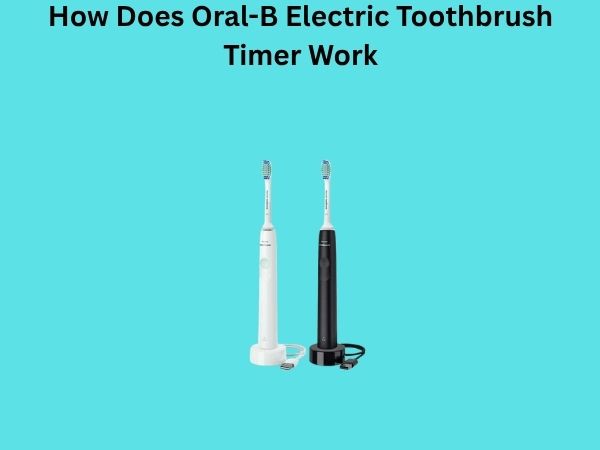
Dentists everywhere recommend brushing for at least two minutes. Your Oral-B toothbrush often includes a built-in timer. It usually signals every 30 seconds, prompting you to move to a different quadrant of your mouth. This ensures you dedicate enough time to each area. Many models will give a longer signal at the end of the full two minutes. This simple feature helps you brush more evenly and thoroughly.
The Pressure Sensor
Brushing too hard can damage your gums and tooth enamel. This is a common mistake people make, even with manual toothbrushes. Many Oral-B electric toothbrushes have a pressure sensor. If you apply too much force, the toothbrush will alert you. This might be with a light, a change in vibration, or even by stopping its pulsations temporarily. This feedback helps you learn the right amount of pressure to use. Protecting your gums and enamel is essential for long-term oral health.
Different Brush Heads for Personalized Cleaning
Your Oral-B toothbrush is versatile. You can swap out the brush heads to suit your specific needs. There are heads designed for whitening, sensitive gums, deep cleaning, and even orthodontic care. This allows you to customize your brushing experience. You can choose a brush head that best targets your dental concerns. Replacing your brush head regularly, usually every three months, is also important for maintaining cleaning effectiveness.
How the Technologies Compare
While both oscillating-rotating and sonic technologies are effective, they offer slightly different experiences. Here’s a quick look at how they stack up:
| Feature | Oscillating-Rotating | Sonic Vibration |
|---|---|---|
| Motion | Head spins and pulsates | Head vibrates at high speed |
| Cleaning Action | Cups each tooth for scrubbing | Creates dynamic fluid action |
| Feel | More of a scrubbing sensation | More of a buzzing sensation |
| Plaque Removal | Highly effective | Highly effective |
Both types are proven to be superior to manual brushing in removing plaque. Your preference might come down to the feel you enjoy most. Many dental professionals consider both to be excellent choices for maintaining oral hygiene.
Your Daily Brushing Routine, Upgraded
Incorporating your Oral-B electric toothbrush into your daily routine is straightforward. Here’s a quick checklist to ensure you’re getting the most out of it:
- Apply a pea-sized amount of toothpaste.
- Place the brush head on your teeth before turning it on.
- Guide the brush head slowly from tooth to tooth.
- Let the toothbrush do the work; don’t scrub.
- Spend at least 30 seconds on each quadrant of your mouth.
- Rinse your mouth and brush head after brushing.
By understanding how these advanced toothbrushes work, you can feel more confident in your oral care routine. The combination of powerful motors, effective cleaning motions, and smart features is designed to help you achieve a cleaner mouth and a healthier smile. Remember to consult your dentist for personalized advice on which toothbrush features might benefit you the most.
Conclusion
You’ve now seen how your Oral-B electric toothbrush uses advanced technology to transform your brushing. The powerful motor and specialized brush head movements, whether oscillating-rotating or sonic, work together effectively. They physically break up and sweep away plaque far better than manual methods. Smart features like timers and pressure sensors ensure you build better habits for a healthier smile. Making the switch to an Oral-B electric toothbrush is a simple yet powerful step. Visit your local dental professional to discuss which Oral-B model best suits your oral health needs.
Frequently Asked Questions
How often should I replace my Oral-B electric toothbrush head?
For optimal cleaning performance and hygiene, it’s generally recommended to replace your Oral-B brush head every three months. You might need to replace it sooner if the bristles become frayed or worn, or if you’ve been ill.
Can an Oral-B electric toothbrush help with gum sensitivity?
Yes, many Oral-B electric toothbrushes come with sensitive brush heads designed for gentle cleaning. The pressure sensor can also prevent you from brushing too hard, which often aggravates sensitive gums and can lead to recession.
Is oscillating-rotating or sonic technology better for plaque removal?
Both oscillating-rotating and sonic vibration technologies have been shown in research to be highly effective at removing plaque, often superior to manual brushing. Your personal preference for the sensation of cleaning may be the deciding factor.
What does the 30-second pulse on my Oral-B toothbrush mean?
The brief pause or change in vibration every 30 seconds is your toothbrush’s way of letting you know it’s time to move to the next quadrant of your mouth. This ensures you spend the dentist-recommended two minutes evenly cleaning all areas.
Can I use my regular toothpaste with an Oral-B electric toothbrush?
Yes, you can use your regular fluoride toothpaste with your Oral-B electric toothbrush. Ensure you use only a pea-sized amount, as electric toothbrushes create more foam than manual ones, and you don’t need excessive toothpaste for effective cleaning.