How to Clean Your Electric Toothbrush Bottom
The easiest way to clean the bottom of your electric toothbrush is with a damp cloth and a bit of mild soap. You can also use a soft brush to gently scrub away any gunk. Keeping this area clean prevents grime buildup and ensures your toothbrush functions properly for a healthy smile.
Your electric toothbrush is a vital tool for oral hygiene. Over time, toothpaste residue and water can create a sticky mess on the handle’s base. Regularly cleaning the bottom prevents mold and bacteria from growing, which is something nobody wants near their toothbrush. It’s a simple step that makes a big difference in overall cleanliness.
- Wipe the bottom with a damp cloth and mild soap.
- Use a soft brush for stubborn grime.
- Rinse thoroughly and let it air dry.
- Avoid soaking the entire toothbrush base.
Let’s walk through exactly how to get that toothbrush bottom sparkling clean, step by step.
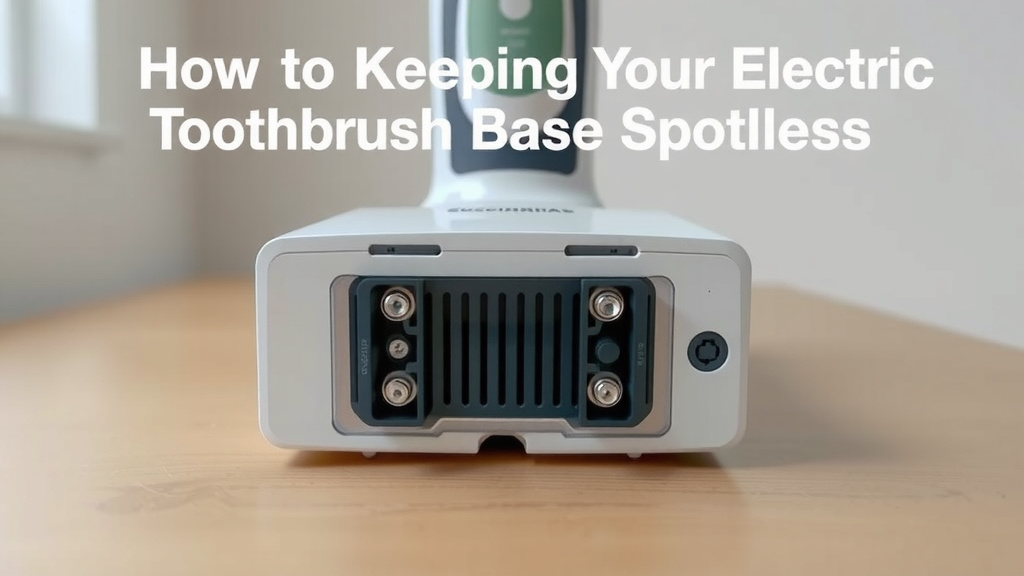
Keeping Your Electric Toothbrush Base Spotless
You’ve got your fancy electric toothbrush, and it’s doing a great job keeping your teeth clean. But what about the bottom? That little area where the handle meets the charging base can get pretty grimy. Let’s talk about how to properly clean the bottom of your electric toothbrush so it stays hygienic.
Why Cleaning the Toothbrush Bottom Matters
You might think it’s just a small part of your toothbrush, but the bottom can be a breeding ground for yucky stuff. Toothpaste residue, water, and even airborne particles can all contribute to a sticky mess. If left unchecked, this gunk can harbor bacteria and mold. Nobody wants that near their mouth, right?
Regular cleaning prevents this buildup. It helps ensure your toothbrush functions correctly and stays as sanitary as possible. Think of it like cleaning the handle of a kitchen utensil – you want a clean surface to hold onto. Keeping the bottom clean is a simple step toward better oral hygiene.
What You’ll Need to Get Started
Gathering your supplies is easy. You likely have most of these items already in your bathroom. We want this to be a quick and painless chore, not a whole production.
- A soft, damp cloth.
- A little bit of mild liquid soap or hand soap.
- A soft-bristled toothbrush (an old one works great!) or a cotton swab.
- A dry cloth for buffing.
Step-by-Step Guide to a Clean Toothbrush Base
Step 1: Detach the Brush Head
First things first, you need to remove the brush head. This is usually a simple twist-off or pull-off action. Most manufacturers recommend this for effective cleaning. It prevents water from seeping into the internal components. You don’t want to risk damaging your device. For effective cleaning, it’s recommended to first remove the brush head, as detailed in our guide to electric toothbrush replacement heads.
Step 2: Dampen Your Cleaning Cloth
Grab your soft cloth. Get it slightly damp with plain water. You want it moist, not dripping wet. A damp cloth is perfect for wiping away loose toothpaste. Squeeze out any excess water before you start wiping.
Step 3: Apply Mild Soap (If Needed)
For any sticky residue or tougher grime, a tiny drop of mild liquid soap can help. Put a small amount of soap directly onto the damp cloth. Avoid using harsh chemicals or abrasive cleaners. These can damage the plastic finish of your toothbrush handle.
Step 4: Gently Wipe the Bottom Area
Now, gently wipe the bottom part of the electric toothbrush handle. Pay attention to the edges and any crevices where gunk might hide. Use the damp, soapy cloth to lift away toothpaste splatters and other debris. Work carefully around any buttons or charging contacts.
Step 5: Tackle Stubborn Grime with a Soft Brush
Got some really stuck-on gunk? This is where your old toothbrush or a cotton swab comes in handy. Dip the bristles of the old toothbrush or the tip of the cotton swab in your soapy water. Gently scrub the affected areas. The soft bristles can reach into small spaces.
This gentle scrubbing is key. You’re not trying to scour the toothbrush; you’re just trying to dislodge the buildup. Many experts suggest this approach to avoid scratching the surface. Research from dental hygiene associations often highlights the importance of keeping toothbrush handles clean.
Step 6: Rinse (Carefully!)
Rinsing is important to remove all soap residue. This is where you need to be extra careful. Do NOT submerge the entire base of your electric toothbrush in water. This can cause serious damage. Instead, use a clean, damp cloth to wipe away any soap residue.
You might need to rinse the cloth a few times to ensure all soap is gone. Alternatively, you can use a lightly dampened clean cloth to wipe away the soap. The goal is to get it clean without introducing excess moisture. Experts at health organizations advise against soaking electronic devices.
Step 7: Dry Everything Thoroughly
After rinsing, use a clean, dry cloth to thoroughly dry the bottom of the toothbrush handle. Buff it gently to remove any remaining moisture. Allowing it to air dry completely before reattaching the brush head is also a good idea.
Make sure the charging contacts are completely dry if you have a charging base. This prevents corrosion. Proper drying is as important as cleaning itself. It helps maintain the longevity of your toothbrush.
What to Avoid When Cleaning
There are a few common mistakes people make that you should steer clear of. Knowing what not to do is just as important as knowing what to do.
- Don’t use harsh chemicals. Bleach, ammonia, or abrasive cleaners can degrade the plastic.
- Don’t soak the toothbrush. As mentioned, water can get inside and damage the motor.
- Don’t use stiff brushes. These can scratch the finish and potentially damage seals.
How Often Should You Clean the Bottom?
For optimal hygiene, aim to clean the bottom of your electric toothbrush at least once a week. If you notice visible buildup or residue, clean it immediately. Regular maintenance will prevent stubborn grime from forming. It’s a quick task that keeps your toothbrush in top shape.
Quick Checklist for a Sparkling Toothbrush Bottom
Here’s a handy checklist to help you remember the key steps:
- Remove the brush head.
- Wipe with a damp, soapy cloth.
- Use a soft brush for tough spots.
- Rinse carefully with a damp cloth.
- Dry completely with a clean cloth.
- Allow to air dry before use.
Conclusion
You’ve learned how simple it is to keep the bottom of your electric toothbrush clean and hygienic. By following a few easy steps—detaching the head, using a damp cloth with mild soap, and drying thoroughly—you prevent grime buildup. This regular maintenance ensures your toothbrush performs its best and contributes to your overall oral health. Make cleaning the base a weekly habit, just like brushing your teeth. Your smile will thank you for it!
Frequently Asked Questions
How do I dry my electric toothbrush base completely?
After rinsing, use a clean, dry cloth to gently wipe down the entire bottom area. You can also let it air dry for a bit longer before reattaching the brush head or placing it on its charger. Ensure the charging contacts are completely dry to prevent any corrosion.
Can I use disinfecting wipes on my toothbrush?
It’s best to avoid disinfecting wipes on the main body of your electric toothbrush. Many contain alcohol or chemicals that can damage the plastic finish. A mild soap and water solution is much safer and just as effective for regular cleaning.
My toothbrush base feels sticky, what’s the best way to fix it?
For sticky residue, a damp cloth with a tiny drop of mild liquid soap is your best bet. If that doesn’t quite do it, a soft-bristled brush or cotton swab dipped in the soapy water can help gently scrub away the buildup. Just be sure to rinse and dry thoroughly afterward.
Is it safe to charge my toothbrush if the bottom is still slightly damp?
No, it’s not recommended. Always ensure the bottom of your toothbrush handle and the charging base are completely dry before charging. Moisture can lead to corrosion on the charging contacts, potentially damaging your device or preventing it from charging properly.
How often should I replace my electric toothbrush handle?
While you replace the brush heads every 3-4 months, the electric toothbrush handle itself is designed to last much longer, often several years. Regular cleaning as outlined in this guide will help maintain its condition and prolong its lifespan.