Speed Up Your Electric Toothbrush: Simple Hacks
You might be wondering if you can actually make your electric toothbrush faster. While you can’t directly boost its motor speed, you can optimize your brushing technique for a more efficient clean. Think of it less as making the brush itself speed up and more about getting the most out of every second you brush.
Many people want to know if there’s a secret trick to a quicker, yet still thorough, brush. We’ve looked into this, and it turns out the focus should be on proper technique and brush head selection rather than altering the toothbrush’s core function. Getting the most effective clean in the shortest time is the real goal.
- Focus on technique, not motor speed.
- Choose the right brush head.
- Don’t rush the process too much.
- Ensure you’re covering all areas.
Let’s walk through some tips to help you get the most effective clean in the time you have.
You’re looking to get the most out of your electric toothbrush. That’s a smart goal! A faster clean doesn’t mean a less thorough one. It means you’re brushing efficiently. Let’s dive into how you can achieve that.
Optimizing Your Electric Toothbrush Experience
Many people think “faster” means cranking up the motor. But your electric toothbrush is designed for a specific speed. Trying to alter that isn’t really possible or recommended. Instead, you can focus on a few key areas. These will help you get a superior clean in the time you spend brushing.
Mastering Your Brushing Technique
This is where the real magic happens. Your technique can dramatically impact how effective your brushing is. You want to be sure you’re covering all surfaces of your teeth. Gentle pressure is key here. You don’t need to scrub hard like with a manual toothbrush. Let the electric toothbrush do the work for you.
The Two-Minute Rule Still Applies
Even if you want a faster clean, the general recommendation is to brush for two minutes. Many dentists and dental associations suggest this duration (American Dental Association). This timeframe ensures you have enough time to cover all your teeth properly. Rushing too much can mean missing spots. You might end up with plaque buildup in overlooked areas. Think of it as a minimum. If you can be super efficient, maybe you finish a *hair* under two minutes, but not significantly less.
Divide and Conquer Your Mouth
A great strategy is to break your mouth into sections. Spend about 30 seconds on each quadrant: upper right, upper left, lower right, and lower left. This ensures you’re dedicating enough time to each area. It’s like planning a route for a road trip. You wouldn’t just drive aimlessly. You’d plan your stops and your path.
Angle of Attack
For the best results, aim your brush head at a 45-degree angle towards your gum line. This is where plaque often hides. Gently move the brush across each tooth surface. Don’t saw back and forth aggressively. Most electric toothbrushes have oscillating or sonic movements. Let these motions do the cleaning. Your job is to guide them effectively.
Covering All Surfaces
Make sure you’re cleaning the outer surfaces, the inner surfaces, and the chewing surfaces of all your teeth. Don’t forget the back of your molars. These are often the most neglected spots. Some electric toothbrushes even have built-in timers or pressure sensors to help you with this. They’re designed to guide you towards a better brushing experience.
Choosing the Right Brush Head
The brush head is your toothbrush’s primary cleaning tool. Different types offer different benefits. Selecting the right one can enhance your brushing efficiency. You want a brush head that matches your dental needs and preferences.
Types of Brush Heads
Electric toothbrushes come with various brush heads. Some are designed for general cleaning. Others are made for sensitive gums. Some focus on whitening or deep cleaning. For a more efficient clean, consider a head that offers good surface coverage. A slightly larger head might cover more area at once. However, you still need to maneuver it easily around all your teeth.
When to Replace Your Brush Head
A worn-out brush head is less effective. The bristles fray and lose their cleaning power. Most manufacturers recommend replacing brush heads every 3-4 months. Some even have indicator bristles that fade to signal it’s time. Regularly replacing your brush head ensures you’re always getting the best clean possible. It’s a simple step that makes a big difference.
Leveraging Your Toothbrush’s Features
Modern electric toothbrushes are packed with technology. Understanding and using these features can make your brushing more efficient. You might not be using your toothbrush to its full potential right now.
Built-in Timers and Quad Pacer
Many models have a built-in two-minute timer. They often signal every 30 seconds to let you know it’s time to switch quadrants. This feature is invaluable for ensuring you brush for the recommended time evenly. It takes the guesswork out of timing your brushing sessions. You can focus on technique rather than counting seconds.
Pressure Sensors
Brushing too hard can damage your gums and enamel. It doesn’t make your teeth cleaner. In fact, it can lead to sensitivity and recession. Many electric toothbrushes have pressure sensors. They alert you if you’re applying too much force. This protects your oral health and ensures you’re using the right amount of pressure for an effective clean.
Maintaining Your Electric Toothbrush
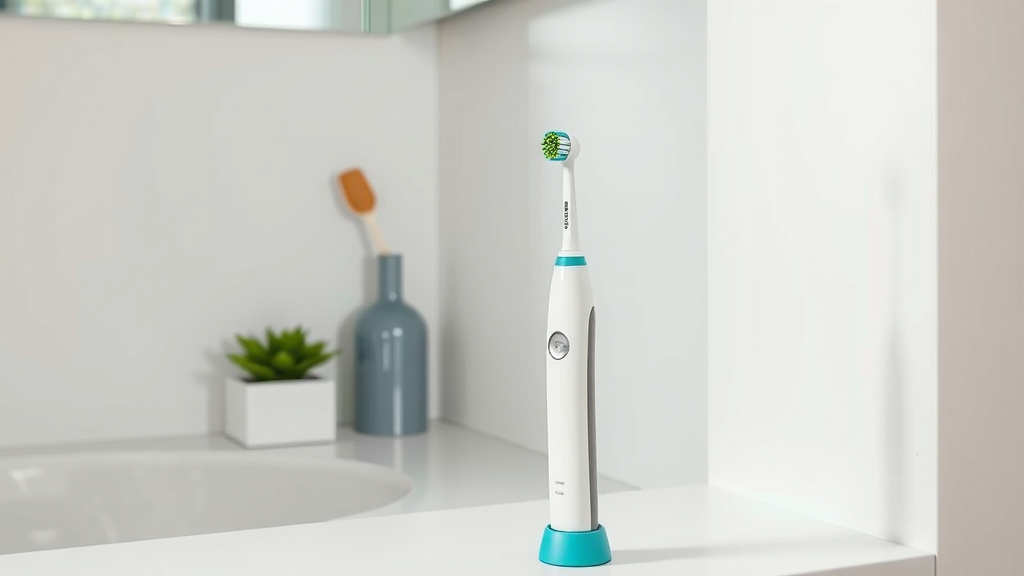
A well-maintained toothbrush works best. Simple cleaning and storage habits can prolong its life and performance.
Rinsing and Drying
After each use, rinse your brush head thoroughly under running water. This removes toothpaste and debris. Then, shake off excess water. Store it upright in an open holder. This allows it to air dry completely. Proper drying helps prevent bacterial growth. It keeps your brush head hygienic and ready for its next use.
Charging Habits
Ensure your toothbrush is adequately charged before you start brushing. A fully charged toothbrush performs at its optimal level. Most modern electric toothbrushes have long battery lives. You won’t need to charge them every day. Check your user manual for specific charging recommendations. Keeping it charged means it’s always ready to go when you are.
Checklist for an Efficient Clean
- Brush for two minutes each session.
- Focus on the 45-degree angle to the gum line.
- Cover all tooth surfaces: outer, inner, chewing.
- Use a 30-second quadrant timer if available.
- Apply gentle pressure; let the brush do the work.
- Replace your brush head every 3-4 months.
Conclusion
So, while you can’t physically speed up your electric toothbrush’s motor, you absolutely can make your brushing routine faster and more effective. It all comes down to smart technique and using your toothbrush’s design to your advantage. By focusing on the right angles, covering all surfaces, and letting the brush head do the work, you get a superior clean without spending extra minutes.
Remember, it’s about efficiency, not just speed. Pay attention to your brush head’s condition and your toothbrush’s built-in features. Your next step? Try implementing the quadrant timing and 45-degree angle technique at your very next brushing session. You might be surprised at how quickly you can achieve a dentist-approved clean!
Frequently Asked Questions
Can I modify my electric toothbrush to make it vibrate faster?
No, it’s not recommended or generally possible to modify your electric toothbrush to make its motor vibrate faster. These devices are designed with specific speeds for optimal and safe cleaning. Attempting to alter them could damage the motor or void your warranty.
Will using a different brush head make my brushing feel faster?
While a different brush head won’t change the motor speed, some brush heads are designed for better coverage, which can make your brushing feel more efficient. Consider trying a larger head if it fits comfortably, or one specifically designed for thorough cleaning.
Is there a way to clean my teeth more quickly without sacrificing thoroughness?
Yes, the key is efficiency. Dividing your mouth into quadrants and focusing on the 45-degree angle to the gum line helps ensure you cover everything systematically. Using your toothbrush’s built-in timer also prevents you from rushing too much or spending too little time on each section.
My electric toothbrush seems to be slowing down. Is it broken, or can I fix it?
If your toothbrush feels like it’s slowing down, it might be a sign that the battery is low and needs charging. Make sure it’s fully charged according to the manufacturer’s instructions. If it still feels slow after charging, the brush head might need replacing, or the internal mechanism could be wearing out.
How can I ensure I’m brushing fast enough but not too fast?
The best way to achieve this balance is to use the recommended two-minute brushing time, divided into 30-second intervals for each quadrant of your mouth, often guided by your toothbrush’s built-in timer. This ensures you’re not rushing through any areas and are giving each tooth surface adequate attention.