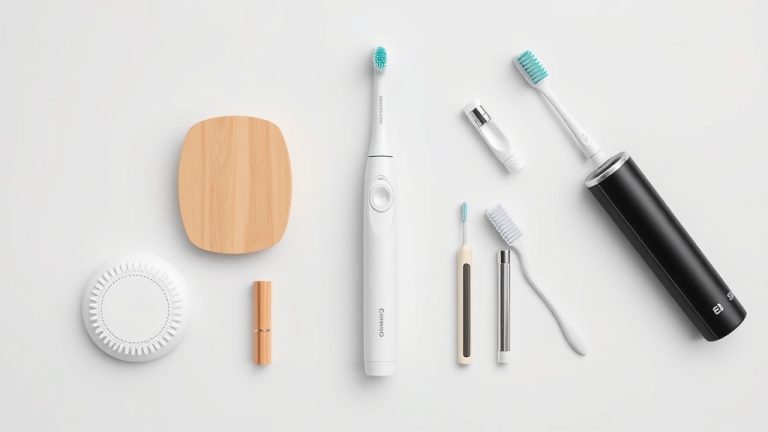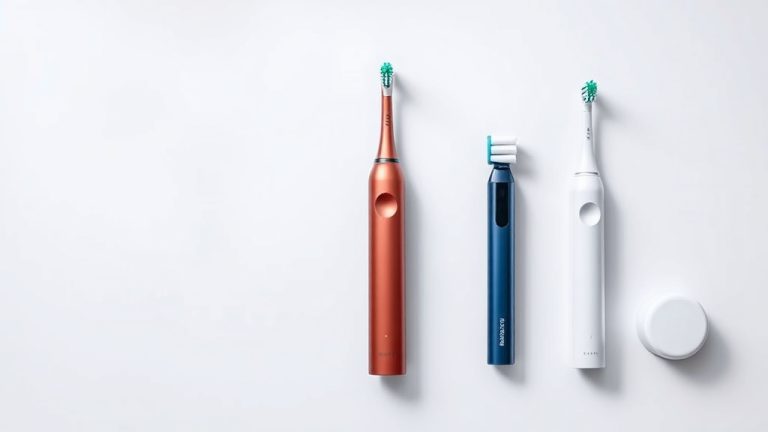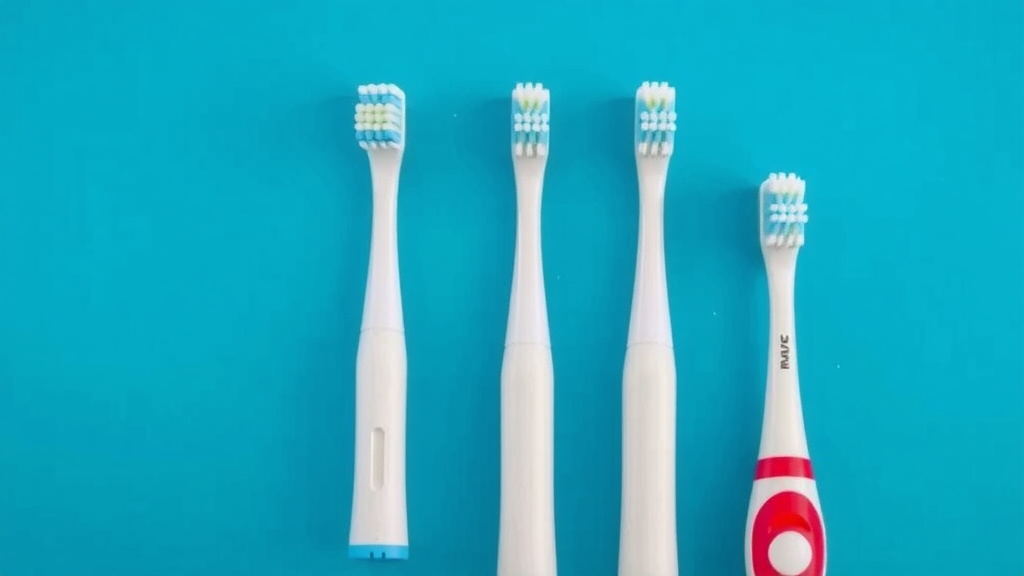
Store Your Electric Toothbrush Heads Properly for Best Results
Storing your electric toothbrush heads correctly is simple and helps keep them hygienic. The best way is to air dry them completely after each use before storing them in a clean, dry place. Avoid covering them tightly or storing them in damp containers, as this can encourage bacterial growth.
Keeping your toothbrush heads clean is part of maintaining good oral hygiene. Proper storage prevents contamination and ensures your brush is ready for use. Many people wonder about the best way to store them, especially when traveling or when counter space is limited. Understanding these simple tips can make a big difference in keeping your brushes fresh and effective.
- Always let toothbrush heads air dry.
- Store heads in a clean, dry location.
- Avoid damp or enclosed spaces.
- Consider travel cases for on-the-go storage.
- Replace heads regularly for best results.
We’ve researched the best practices for keeping your electric toothbrush heads in top shape. Let’s walk through exactly how to store them properly to ensure they stay clean and ready for your next brush!
Keeping Your Electric Toothbrush Heads Clean and Fresh
Storing your electric toothbrush heads properly is simpler than you might think. It’s all about helping them stay hygienic between uses. We found that the key is allowing them to air dry completely after brushing. Then, you should store them in a clean, dry place.
Why is this so important? Bacteria can thrive in damp environments. Storing wet toothbrush heads in enclosed spaces can create a breeding ground for germs. This can impact your oral hygiene. Let’s look at the best ways to ensure your brush heads remain clean and ready for action.
The Importance of Proper Storage
Think of your toothbrush head like a tiny sponge. It picks up food particles and bacteria from your mouth. If you don’t let it dry properly, those microscopic hitchhikers can multiply. Many dental professionals agree that maintaining a clean toothbrush is essential for good oral health (CDC).
Improper storage can lead to your brush head becoming less effective and potentially spreading germs. This is especially true if multiple people share a bathroom with limited storage options. We want to make sure your toothbrush head is as clean as possible before it touches your mouth again.
Preventing Bacterial Growth
The biggest enemy of a clean toothbrush head is moisture. When a toothbrush head stays wet, bacteria can grow rapidly. Research indicates that common bacteria found in the mouth can survive on toothbrushes for extended periods (NIH).
Allowing your brush head to air dry is the simplest and most effective way to combat this. It interrupts the moisture cycle that bacteria need to flourish. This simple step can dramatically improve the cleanliness of your brush.
Best Practices for Storing Your Electric Toothbrush Heads
So, what does “properly” storing your electric toothbrush heads actually look like? It’s not complicated, but it does require a little attention to detail. Here’s what we found works best.
The Magic of Air Drying
After you finish brushing your teeth, rinse your electric toothbrush head thoroughly under running water. This removes any toothpaste residue and debris. Then, the crucial step: shake off any excess water.
Next, find a place where the head can air dry completely. This usually takes an hour or two, depending on your bathroom’s humidity. You want it to be dry to the touch before storing it.
Finding the Right Spot
Once dry, where should you put it? A clean, dry location is key. Many electric toothbrushes come with a base or a stand. If yours does, make sure this stand is also kept clean and dry.
The goal is to keep the brush head upright, exposed to air as much as possible. This promotes continued drying and prevents moisture from pooling. Think of it like letting a clean dish air dry on a rack instead of stacking it wet in a cabinet.
What to Avoid
There are a few common storage mistakes that can undo your efforts. You should avoid covering the toothbrush head tightly. This traps moisture, creating that damp environment we’re trying to prevent.
- Don’t store heads in closed containers immediately after use.
- Avoid storing them in damp areas like medicine cabinets that aren’t well-ventilated.
- Never store a wet brush head directly on a surface where moisture can accumulate.
Storage Solutions for Different Needs
Your storage needs might change depending on your situation. Whether you’re at home or on the go, there are solutions that work.
Home Storage
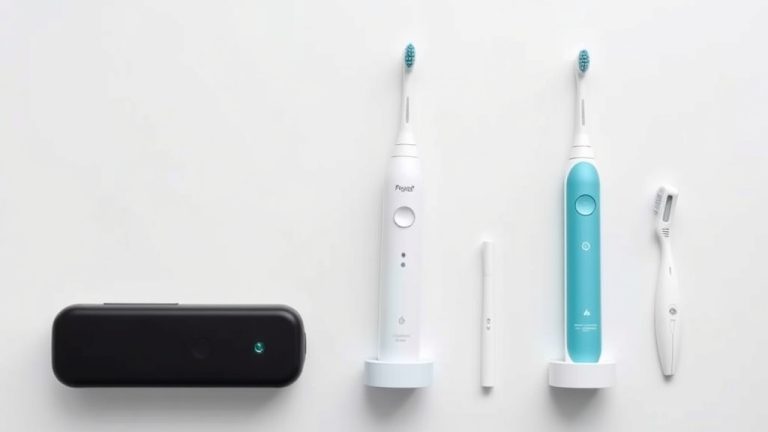
Most electric toothbrushes come with some form of storage. Often, this is a charging base that can hold one or more brush heads. If your base allows for good air circulation, it’s a perfectly fine option, provided it stays dry.
Some people prefer to keep their brush heads in a separate holder. Look for holders designed for electric toothbrush heads that allow for upright storage and good airflow. These can help keep your bathroom counter tidy.
Travel Storage
Traveling with electric toothbrush heads requires a bit more planning. You’ll want to ensure they remain clean and protected. Many brands offer travel cases for their brush heads.
If you don’t have a dedicated travel case, you can use small, breathable pouches. Make sure the brush head is completely dry before packing it. You want to avoid creating a humid environment inside your luggage. We found that simple plastic containers with ventilation holes can also work in a pinch, but always prioritize air drying first.
Using Toothbrush Head Covers: A Closer Look
You might have seen small plastic covers that come with some electric toothbrush heads. These are designed to protect the bristles from dust and debris, especially during travel or storage when air drying isn’t immediately possible.
However, we found that using these covers immediately after brushing, while the head is still wet, is not ideal. If you do choose to use a cover, make sure the brush head is thoroughly dry first. The idea is to protect a clean, dry head, not to trap moisture. Many experts suggest that for daily use, leaving the head uncovered to air dry is superior (Cleveland Clinic).
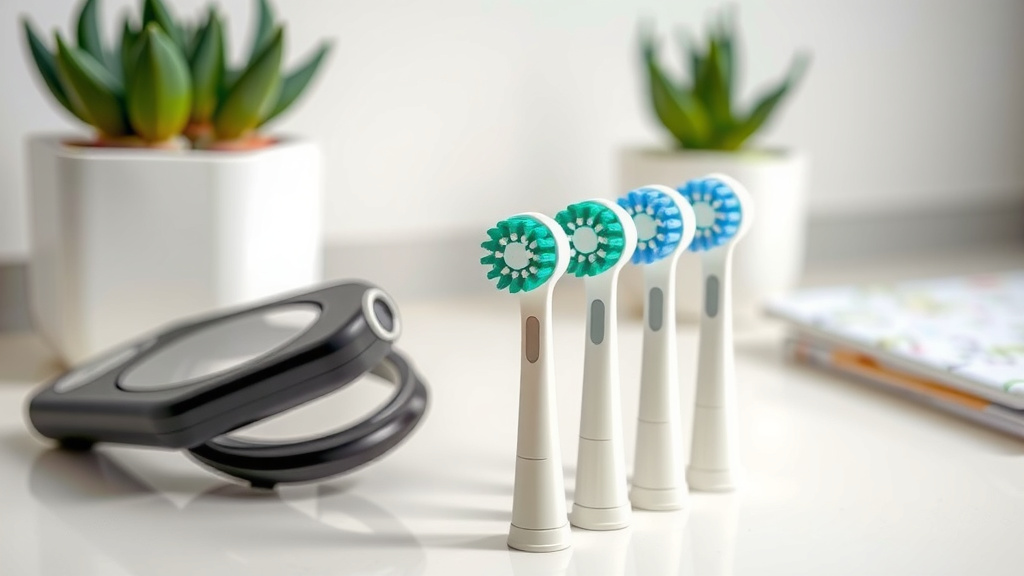
When to Replace Your Toothbrush Heads
Proper storage helps keep your brush heads clean, but it doesn’t make them last forever. You’ll still need to replace them regularly. This ensures you get the best cleaning performance.
Most manufacturers recommend replacing your electric toothbrush heads every 3 to 4 months. You might need to replace them sooner if the bristles become frayed or splayed. Worn-out bristles can’t clean your teeth effectively. Also, if you’ve been sick, it’s a good idea to replace your brush head afterward to avoid reinfection.
A Quick Checklist for Storing Your Brush Heads
To make storing your electric toothbrush heads a breeze, here’s a simple checklist:
- Rinse your brush head thoroughly after each use.
- Shake off excess water.
- Allow the head to air dry completely.
- Store it upright in a clean, dry, well-ventilated area.
- Avoid enclosed, damp spaces.
- Replace your brush head every 3-4 months or when bristles fray.
Conclusion
Properly storing your electric toothbrush heads is a simple habit that significantly impacts your oral hygiene. By consistently allowing your brush heads to air dry completely after each use and storing them in a clean, dry, and well-ventilated spot, you actively prevent bacterial growth. This practice ensures your toothbrush remains hygienic and effective for optimal cleaning. Make it a routine to hang your brush head upright after rinsing. This small step guarantees a fresher, healthier brushing experience every time you reach for your toothbrush.
Frequently Asked Questions
Can I store my electric toothbrush heads in a closed cabinet?
It’s best to avoid storing your electric toothbrush heads in closed cabinets, especially if they are still damp. These enclosed spaces often lack ventilation and can trap moisture, creating an environment where bacteria can thrive. Always opt for open storage that allows for continuous air circulation.
What’s the best way to store electric toothbrush heads when traveling?
For travel, ensure your toothbrush head is completely dry before packing it. Many brands offer specific travel cases designed to protect the bristles and maintain cleanliness. If you don’t have a travel case, a small, breathable pouch or a container with ventilation holes can work, but prioritize air drying before departure.
Is it okay to use the plastic covers that come with toothbrush heads daily?
While plastic covers can protect heads from dust, especially during travel, they aren’t ideal for daily use after brushing. Using a cover while the head is still wet traps moisture and can encourage bacterial growth. It’s better to let your brush head air dry uncovered between uses.
How often should I replace my electric toothbrush heads?
Most manufacturers recommend replacing your electric toothbrush heads every 3 to 4 months. You should also replace them sooner if the bristles appear frayed, splayed, or worn out, as this indicates they are no longer cleaning effectively. Replacing your head after an illness is also a good practice.
What if my electric toothbrush doesn’t come with a storage holder?
If your toothbrush didn’t come with a holder, you can easily find standalone toothbrush head holders online or at drugstores. Look for options that allow you to store the heads upright and promote good airflow around the bristles. Keeping the heads elevated and exposed to air is the main goal.