How Long Can You Use an Electric Toothbrush? A Complete Guide to Durability and Lifespan
Have you ever wondered how long your electric toothbrush will actually last before it needs replacing? You’re not alone. Many people invest in electric toothbrushes expecting them to work forever, only to be disappointed when performance starts to decline after a couple of years. The truth is, understanding the lifespan of your electric toothbrush can help you get the most value from your purchase and maintain optimal oral hygiene throughout its working life.
In this comprehensive guide, we’ll explore everything you need to know about electric toothbrush longevity, from typical usage periods to factors that influence durability, and practical tips to extend the life of your device.
The Average Lifespan of Electric Toothbrushes Explained
When you’re standing in the store looking at electric toothbrushes, one of the first questions you probably ask yourself is, “How long will this thing actually work?” It’s a fair question, especially considering the investment you’re making in your oral health. Most quality electric toothbrushes can function effectively for anywhere between three to five years of regular use. However, this number isn’t set in stone—it can vary significantly depending on several factors we’ll explore later.
Think of your electric toothbrush like a car: with proper maintenance and care, it can run smoothly for years, but neglect can cut its lifespan dramatically short. The good news is that unlike a car, your toothbrush is a relatively simple device with fewer moving parts, which means it can potentially last quite a long time if you treat it right.
Understanding the Three to Five Year Standard
Industry experts generally recommend replacing electric toothbrushes every three to five years, and there’s solid reasoning behind this timeline. After this period, the bristles become frayed and worn, losing their effectiveness at cleaning your teeth. Additionally, the motor’s power may start to diminish, and the battery’s capacity begins to decline, even if the device still technically functions.
Many manufacturers design their products with this timeframe in mind, building devices that work optimally during this window. It’s not a conspiracy—it’s simply realistic engineering based on how materials degrade over time with regular use and exposure to moisture.
Different Types of Electric Toothbrushes and Their Durability Profiles
Not all electric toothbrushes are created equal, and their durability varies considerably based on type and quality level. Let’s break down the main categories.
Oscillating Electric Toothbrushes
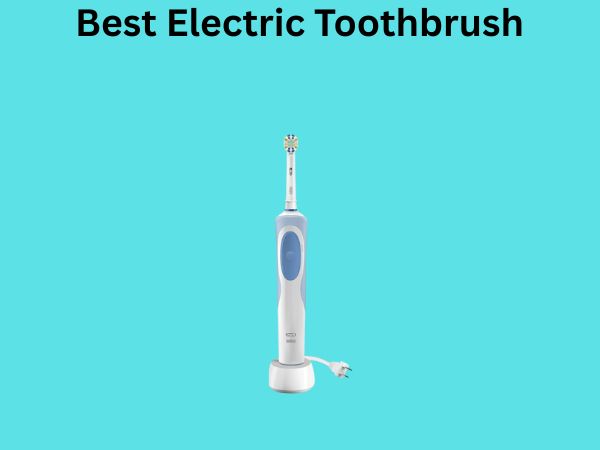
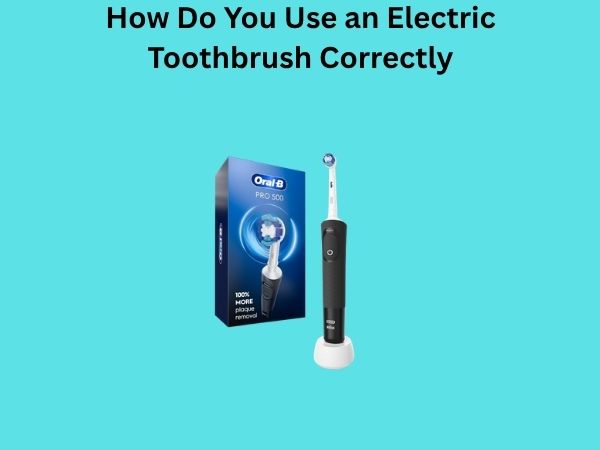
Oscillating toothbrushes, like those made by Oral-B, feature bristles that move back and forth at high speeds. These devices tend to be incredibly durable because they have simpler motor mechanisms. The oscillating motion puts less strain on internal components compared to other types, which means these toothbrushes often last longer than their counterparts. You can typically expect four to five years from a quality oscillating model, sometimes even longer with excellent care.
Sonic Toothbrushes
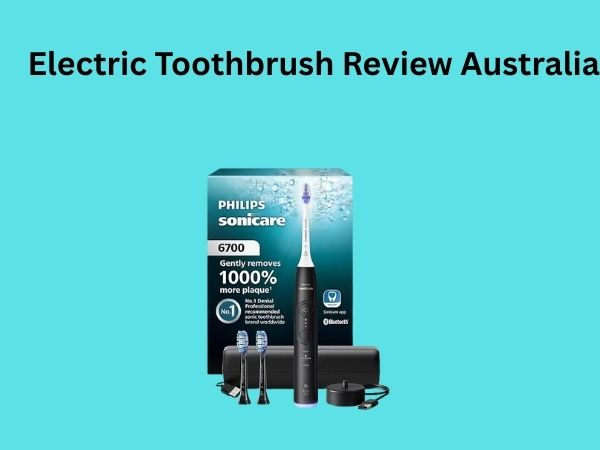
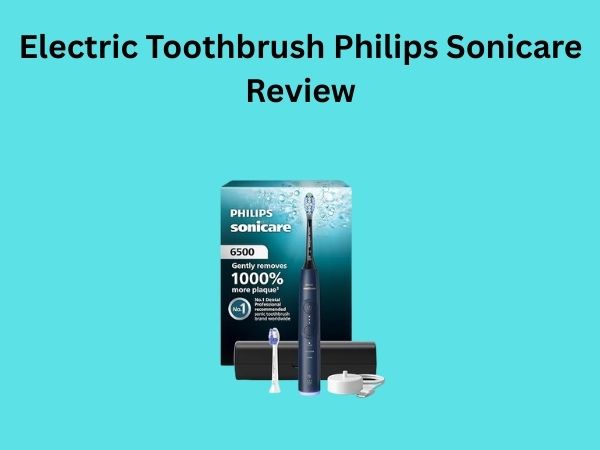
Sonic toothbrushes, commonly produced by brands like Sonicare, operate at extremely high vibration frequencies—sometimes over 30,000 vibrations per minute. While these are excellent at cleaning, the intense vibration can eventually wear down components faster than oscillating models. Expect a lifespan of three to four years for most sonic toothbrushes, depending on build quality and usage patterns.
Budget-Friendly vs. Premium Models
Here’s where your initial investment really matters. Budget electric toothbrushes, typically priced under fifty dollars, might last eighteen months to two years before performance noticeably declines. Premium models, costing over a hundred dollars, often incorporate better materials, more robust motors, and superior waterproofing, allowing them to function effectively for five or more years.
The difference is similar to comparing a basic smartphone to a flagship device. You can get by with the cheaper option, but the premium model’s superior engineering means longer-lasting performance and fewer headaches down the road.
Battery Life Versus Overall Device Longevity: Are They the Same Thing?
Here’s where many people get confused. Battery life and device lifespan are two completely different things, and understanding the distinction can save you from unnecessary replacement purchases.
Battery Degradation Over Time
Modern electric toothbrushes use rechargeable lithium-ion batteries, similar to those in your smartphone. These batteries don’t last forever—they gradually lose capacity with each charge cycle. After three hundred to five hundred full charge cycles, a battery typically retains about eighty percent of its original capacity. Over two to three years of daily use, this degradation becomes noticeable.
You might notice your toothbrush doesn’t hold a charge as long as it used to, or it runs at reduced power levels. This is normal battery degradation, not device failure. In many cases, you don’t need to replace the entire toothbrush—you can replace just the battery.
Replaceable Batteries vs. Non-Replaceable Systems
Some electric toothbrushes have user-replaceable batteries, while others have sealed, non-replaceable batteries integrated into the device. This distinction is crucial for long-term use. If your toothbrush has a replaceable battery, you can extend its functional life by simply swapping out the old battery for a new one, often for twenty to forty dollars. Non-replaceable battery systems mean when the battery dies, you’re stuck buying a new toothbrush entirely.
This is one reason why many people prefer certain brands—they offer replaceable batteries, essentially giving their toothbrushes second lives after several years of use.
Key Factors That Determine Your Electric Toothbrush’s Lifespan
While the three to five year range is useful, your actual experience depends heavily on how you treat your device. Let’s examine the factors that most significantly impact durability.
Water Damage and Moisture Exposure
Electric toothbrushes live in one of the most hostile environments for electronics: the bathroom. Constant exposure to moisture, steam, and splashing water gradually penetrates seals and corrodes internal components. Even though manufacturers design toothbrushes to be water-resistant (and many are waterproof), this protection isn’t infinite.
Leaving your toothbrush sitting in a puddle, submerging it in water beyond its rated depth, or storing it in an overly humid environment accelerates water damage. The rubber seals degrade over time, allowing moisture to seep into the motor and battery compartments. This is one of the most common reasons electric toothbrushes fail prematurely.
Frequency and Intensity of Use
How often you brush and how hard you press the toothbrush against your teeth directly impacts the motor’s wear and tear. Someone who brushes gently twice daily puts less stress on the device than someone who aggressively scrubs for five minutes, three times daily. The bristles also experience more wear with aggressive brushing, which means they need replacing more frequently.
If multiple people in your household share the same toothbrush (which dental professionals don’t recommend, by the way), you’re essentially doubling the usage intensity on that device.
Storage Conditions
Where and how you store your toothbrush matters more than you might think. Keeping it in a humid bathroom corner versus a dry storage container can make a significant difference in longevity. Temperature fluctuations also affect battery health—storing your toothbrush in extreme heat or cold reduces battery lifespan.
The ideal storage location is cool, dry, and away from direct sunlight. A medicine cabinet or bathroom drawer is typically better than leaving it exposed on the bathroom counter.
Charging Habits
How you charge your electric toothbrush influences battery longevity significantly. Letting the battery completely drain before charging, or constantly keeping it plugged in at one hundred percent, both accelerate battery degradation. Lithium-ion batteries prefer partial charge cycles and appreciate time away from full capacity.
Charging your toothbrush overnight occasionally is fine, but leaving it plugged in for days while fully charged stresses the battery unnecessarily. Additionally, using a different charger than the one designed for your toothbrush can damage the battery and internal charging circuitry.
Manufacturing Quality and Brand Reputation
This might sound obvious, but the manufacturer’s quality standards significantly impact durability. Brands with decades of experience in oral care, like Oral-B and Philips Sonicare, have refined their manufacturing processes and use higher-quality materials. These companies also invest in research and development to create products that last.
Lesser-known brands or cheap knockoffs might function initially but often use substandard materials and components that fail more quickly. It’s genuinely worth spending more upfront for a reputable brand—you’ll likely spend less overall because you won’t need replacements as frequently.
Practical Maintenance Tips to Extend Your Electric Toothbrush’s Working Life
Now that you understand what affects your toothbrush’s longevity, let’s discuss concrete steps you can take to maximize its lifespan and keep it functioning optimally.
Proper Cleaning and Drying Routines
After each use, rinse your toothbrush thoroughly under running water to remove toothpaste and debris. Pat it dry with a clean cloth, especially around the bristles and the base where water accumulates. This simple habit prevents moisture buildup that can damage internal components.
Weekly, you should clean the brush head more thoroughly. Soak the head (not the entire handle if it’s not fully waterproof) in a cup of water mixed with a small amount of white vinegar or hydrogen peroxide for a few minutes. This removes bacterial buildup and keeps your toothbrush hygienic.
Smart Charging Practices
Rather than keeping your toothbrush plugged in constantly, establish a charging routine. Charge it for the recommended time (usually two to three hours for a full charge) and then unplug it. Aim to keep the battery between twenty and eighty percent charged most of the time for optimal battery health.
If you won’t be using your toothbrush for extended periods, let the battery drain partially before storing it. This is better for battery longevity than storing it with a full charge.
Protective Storage Solutions
Consider storing your toothbrush in a travel case or dry cabinet when not in use. This protects it from humidity, temperature fluctuations, and accidental damage. Some people even use small silica gel packets in their storage containers to further reduce moisture exposure.
Regular Brush Head Replacement
Replace your brush heads every three to four months, or sooner if bristles appear frayed or worn. Many people mistakenly believe they need to replace the entire toothbrush when really only the head is worn out. Most manufacturers sell replacement heads for ten to twenty dollars, which is far cheaper than buying a whole new device.
Using worn brush heads not only reduces cleaning effectiveness but also puts unnecessary stress on the motor as it works harder to achieve the same results.
Gentle Handling and Proper Technique
Avoid dropping your toothbrush or applying excessive pressure while brushing. Let the vibrating or oscillating motion do the work—aggressive brushing strains the motor and wears out bristles prematurely. Additionally, avoid grinding the bristles against your teeth; instead, angle the bristles toward your gum line at a forty-five-degree angle for optimal cleaning without excess wear.
Red Flags: Signs Your Electric Toothbrush Needs Replacement
Even with excellent care, eventually your toothbrush will show its age. Knowing when it’s truly time to replace it helps you avoid using an ineffective device for oral care.
Diminished Vibration or Oscillation Power
If you notice the toothbrush feels weaker or vibrates less intensely than it used to, the motor is probably wearing out. Motor degradation is essentially irreversible and signals that the device won’t be as effective at cleaning your teeth.
Visible Bristle Damage
Frayed, bent, or missing bristles indicate it’s time for either a new head or a replacement device. Damaged bristles are less effective and can actually irritate your gums. This is usually fixable with a replacement head, but if multiple areas show damage, consider replacing the entire toothbrush.
Battery Issues
If your toothbrush won’t hold a charge anymore or the battery drains extremely quickly even after charging fully, the battery is failing. For devices with replaceable batteries, simply swap in a new one. For sealed units, this typically means replacement time.
Water Damage Symptoms
Corrosion visible on the charging contacts, water inside the handle, or erratic behavior (turning on and off randomly, or running at inconsistent speeds) all suggest water damage. Once water reaches internal components, the device’s days are numbered.
Physical Damage to the Housing
Cracks, breaks, or significant damage to the handle can allow water to penetrate the interior. If the damage is near seams or the charging port, water intrusion becomes likely, making replacement necessary.
The Economics of Electric Toothbrush Replacement: Long-Term Cost Analysis
Let’s talk money, because understanding the true cost of ownership helps justify the initial investment in a quality toothbrush.
Calculating Your Total Cost of Ownership
A quality electric toothbrush might cost one hundred fifty dollars but last five years. That breaks down to thirty dollars per year, or about two dollars and fifty cents per month. Compare this to a budget toothbrush costing thirty dollars but only lasting one year, which costs thirty dollars annually. The premium model is actually cheaper per year of use.
Add in replacement brush heads at fifteen dollars every four months (about forty-five dollars yearly), and you’re looking at roughly seventy-five dollars annually for a quality toothbrush setup, versus maintaining dental health with less effective brushing that could cost thousands in dental work.
Replacement Head Costs vs. Full Device Replacement
Most toothbrush manufacturers charge between ten and twenty dollars for replacement heads. Buying new heads extends your toothbrush’s functional life significantly. Assuming you replace heads every four months and keep the same device for five years, you’re spending about sixty to ninety dollars on replacement heads—a worthwhile investment that extends your device’s life.
Battery Replacement Considerations
If your toothbrush has a replaceable battery, expect to pay twenty to forty dollars for a new one. This is almost always cheaper than buying a new toothbrush and extends the device’s life by several years. Check if replacement batteries are available before purchasing a toothbrush—it’s an important factor in long-term value.