Master Your Electric Toothbrush Technique For A Healthier Smile
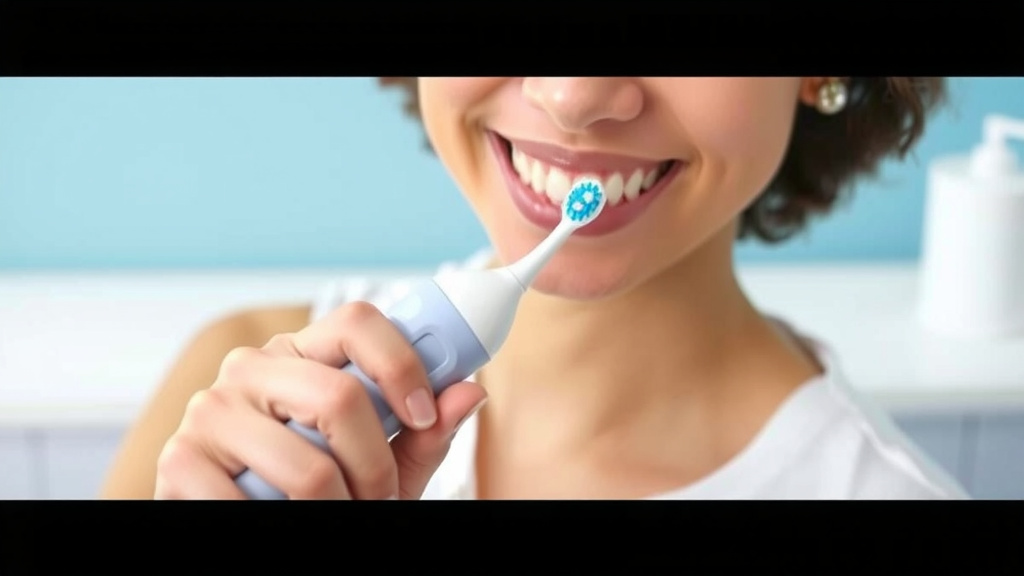
Using an electric toothbrush is actually quite simple. You’ll want to guide the brush head over each tooth surface, letting the bristles do the work. Don’t scrub like you might with a manual brush; just hold it gently in place for a few seconds on each tooth to ensure a thorough clean.
It’s a common question for those switching over! Electric toothbrushes can remove more plaque than manual ones when used correctly. We found that the key is to understand your specific model’s features, whether it has oscillating, rotating, or sonic technology, and to remember that gentle pressure is best to protect your gums.
- Guide the brush head over each tooth.
- Let the bristles do the cleaning.
- Avoid scrubbing motion.
- Hold on each tooth for a few seconds.
- Use gentle pressure.
Ready to get that squeaky-clean feeling? Let’s walk through exactly how to use your electric toothbrush step by step to maximize its benefits for your smile.
Getting the Most From Your Electric Toothbrush
So, you’ve got a new electric toothbrush. That’s fantastic! You’re likely wondering about the best way to use it. The good news is, it’s straightforward. Think of it less like a manual scrub brush and more like a tiny, powerful cleaning tool. Your electric toothbrush is designed to do most of the work for you. We found that understanding a few key steps can really boost your brushing game.
The main goal is to let the vibrating or rotating bristles remove plaque and debris. You don’t need to apply much pressure at all. In fact, many models have pressure sensors to let you know if you’re pressing too hard. Research shows that using too much force can actually harm your gums and tooth enamel (American Dental Association). So, gentle is the name of the game! Using too much force can harm your gums; our guide to dentist-recommended electric toothbrushes explains why.
Let’s break down how to wield this high-tech dental tool like a pro. It’s all about technique, and once you get it, you’ll wonder how you ever lived without it. Get ready for a cleaner, brighter smile!
Your Step-by-Step Electric Toothbrush Guide
1. Preparation is Key
Before you even turn on your electric toothbrush, make sure you’ve got everything ready. This might sound obvious, but a little prep goes a long way. You’ll need your electric toothbrush, toothpaste, and of course, a mirror so you can see what you’re doing.
Choosing the Right Toothpaste
Most dentists recommend using a fluoride toothpaste. It’s a tried-and-true ingredient for fighting cavities. You don’t need a special type of toothpaste for electric brushes. Just use your favorite kind. Some people like to put the toothpaste on the brush head before turning it on. Others prefer to put it on after. We found that putting it on before turning it on helps prevent toothpaste from spraying everywhere.
Applying the Right Amount of Toothpaste
You don’t need a huge glob of toothpaste. For adults, a pea-sized amount is plenty. For children under three, it should be a smear the size of a grain of rice. Too much toothpaste can lead to excess foam, making it harder to see where you’re brushing. Plus, it’s a waste of paste!
2. The Brushing Technique
This is where the magic happens. Forget the back-and-forth sawing motion you might use with a manual brush. Electric toothbrushes do the scrubbing for you. Your job is to guide it.
Positioning the Brush Head
Hold the electric toothbrush at a 45-degree angle to your gum line. This angle allows the bristles to reach both the tooth surface and just under the gum line. This is where a lot of plaque likes to hide. Think of it as giving your gum line a gentle massage while cleaning your teeth.
Letting the Brush Do the Work
Once positioned, simply glide the brush head from tooth to tooth. Spend about 2-3 seconds on each tooth surface. That includes the front, the back, and the chewing surface. Don’t press down! Let the bristles do the cleaning action. Most electric toothbrushes have a pulsating or oscillating motion. This is what breaks up plaque.
Covering All Surfaces
It’s easy to miss spots. Make sure you cover all sides of every tooth. Start on one side of your mouth, work your way around, then switch to the other. Don’t forget the inside surfaces, which are often neglected.
3. Navigating Different Brush Head Technologies
Not all electric toothbrushes are created equal. They often use different technologies to clean your teeth. Knowing which one you have can help you optimize your technique. We found that understanding your specific model makes a big difference.
| Technology Type | How It Cleans | What You Do |
|---|---|---|
| Oscillating-Rotating | A small, round brush head spins back and forth and pulsates. | Guide the brush head firmly but gently against each tooth surface. Let the head do the sweeping motion. |
| Sonic | The brush head vibrates at very high speeds, creating fluid dynamics that help clean. | Hold the brush head against each tooth surface. The high-speed vibrations do the cleaning. Minimal movement is needed from you. |
| Side-to-Side (Pulsating) | The brush head moves back and forth in a rapid motion. | Guide the brush head over each tooth. Similar to sonic, the rapid movement does the cleaning. |
No matter the technology, the core principle remains: guide, don’t scrub. The oscillation or vibration is designed to break down plaque effectively on its own.
4. Timing Your Brushing Session
Are you a speed brusher? Many of us are! But giving your teeth the proper attention is important. Most dental professionals recommend brushing for two minutes, twice a day. Your electric toothbrush can help you stay on track.
Using the Built-in Timer
Many electric toothbrushes come with a built-in timer. Some will give a short pause or a different vibration every 30 seconds. This signals you to move to a different quadrant of your mouth. Others will signal the end of the full two minutes. We found these timers to be incredibly helpful for ensuring an adequate brushing time.
Completing the Full Two Minutes
Stick with it! Those two minutes are essential for removing plaque and preventing cavities. If you tend to rush, the timer is your best friend. Consider it your personal dental coach.
5. Rinsing and Aftercare
Once your two minutes are up, you’re almost done. A quick rinse and proper storage will keep your brush head clean and ready for its next use.
Rinsing Your Mouth and Brush Head
Spit out the excess toothpaste. You can rinse your mouth with water, or some people prefer to skip the rinse to let the fluoride work longer. Rinse your brush head thoroughly under running water. Make sure to remove any toothpaste residue.
Storing Your Toothbrush
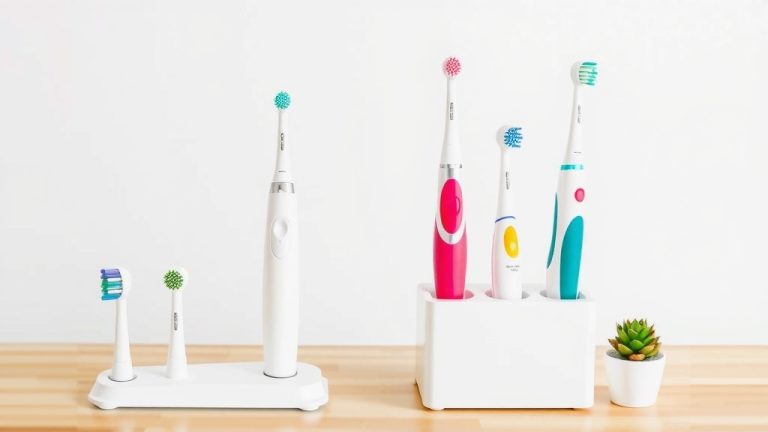
This is more important than you might think. Store your electric toothbrush upright in an open container. This allows it to air dry completely between uses. Avoid covering it or storing it in a closed drawer, as this can create a breeding ground for bacteria. Many experts agree that proper drying is key to maintaining oral hygiene (CDC).
Taking these simple steps will ensure your electric toothbrush performs at its best and contributes to a healthier mouth. It’s a small change that can yield big results for your smile!
Quick Electric Toothbrush Checklist
- Apply a pea-sized amount of fluoride toothpaste.
- Hold brush at a 45-degree angle to gums.
- Guide the brush head gently from tooth to tooth.
- Spend 2-3 seconds on each tooth surface.
- Brush for the full two minutes, twice a day.
- Rinse brush head thoroughly and store upright to dry.
Conclusion
You’ve got this! Using your electric toothbrush is all about letting its technology do the heavy lifting. Remember to guide the brush head gently at a 45-degree angle to your gum line. Spend those two minutes covering all surfaces, trusting the vibrations or oscillations to remove plaque. Proper rinsing and upright storage will keep your brush healthy, too. By following these simple steps, you’re well on your way to a consistently cleaner smile and a healthier mouth. Happy brushing!
Frequently Asked Questions
How long should I brush with an electric toothbrush?
You should aim to brush for a full two minutes, twice a day. Many electric toothbrushes have built-in timers that will signal when 30 seconds have passed for each quadrant of your mouth, and when the full two minutes are up. This ensures you dedicate enough time for a thorough clean.
Do I need to press hard with an electric toothbrush?
Absolutely not! You should use very gentle pressure. Electric toothbrushes are designed to do the cleaning for you with their vibrations or rotations. Pressing too hard can damage your gums and tooth enamel. Many models even have pressure sensors to alert you if you’re applying too much force.
Can I use my regular toothpaste with an electric toothbrush?
Yes, you can. Most dentists recommend using a fluoride toothpaste for cavity protection, and your regular brand will work perfectly well with your electric toothbrush. You don’t need any special type of toothpaste.
How often should I replace my electric toothbrush head?
It’s generally recommended to replace your electric toothbrush head every three to four months, or sooner if the bristles become frayed or worn. Worn bristles are less effective at cleaning your teeth and can be harsh on your gums.
What’s the difference between sonic and oscillating-rotating electric toothbrushes?
Sonic toothbrushes vibrate at very high speeds, creating fluid dynamics that help clean teeth and along the gumline. Oscillating-rotating brushes have a small, round head that spins back and forth and pulsates to sweep away plaque. Both are effective, but the technique for using them is slightly different—sonic brushes require minimal movement, while oscillating ones benefit from guiding the head firmly against each tooth.