Aquasonic Water Flosser Not Working? Troubleshooting Guide
If your Aquasonic water flosser isn’t working, don’t panic! Often, the issue is a simple fix, like a clogged nozzle, low battery, or a loose connection. We found that most problems are easily resolved with a few basic troubleshooting steps.
It can be frustrating when your oral hygiene routine is interrupted. You rely on your flosser for a clean, healthy smile. When it stops performing, it’s natural to wonder what went wrong and if it’s something you can fix yourself. We’ve looked into the common reasons why these devices might fail.
- Water flosser won’t turn on.
- No water is coming out.
- Pressure is too low.
- Battery not charging.
- Device is leaking.
Let’s walk through some common issues and how to get your Aquasonic flosser back to its cleaning best.
Troubleshooting Your Aquasonic Water Flosser When It Acts Up
It’s frustrating when your Aquasonic water flosser decides not to cooperate. You depend on it for that sparkling clean feeling. We’ve found that most issues are surprisingly simple to fix. Let’s get your flosser back in working order.
Common Aquasonic Flosser Problems and How to Solve Them
No Power: Why Your Flosser Won’t Turn On
The first thing to check is the battery charge. Many Aquasonic models have a battery indicator light. If it’s completely dead, it might need a good long charge. We found that leaving it plugged in for at least 8-12 hours is often recommended for a full recharge, especially if it’s been unused for a while.
Is the charging cable connected securely to both the flosser and the power outlet? Sometimes a loose connection is the culprit. Try unplugging and replugging both ends. Ensure you’re using the original charger that came with your device. Other chargers might not provide the correct power.
No Water Flow: The Mysterious Silence
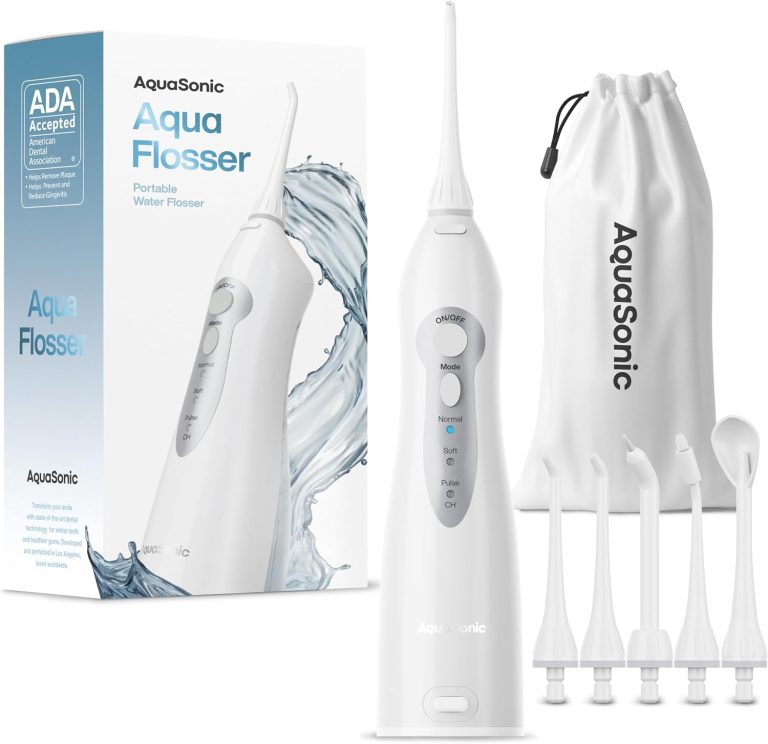
This is a common one. If no water is coming out, the most likely reason is a clogged nozzle or tip. Mineral deposits from tap water can build up over time. Try removing the tip and soaking it in a solution of one part white vinegar to two parts warm water for about an hour. After soaking, scrub gently with a small brush (an old toothbrush works!) and rinse thoroughly.
Next, check the water reservoir. Is it seated correctly? If it’s not clicked into place firmly, the flosser can’t draw water up. Remove it and reinsert it until you feel or hear a secure click. Also, ensure there’s enough water in the reservoir. It sounds obvious, but sometimes we forget this simple step!
We also found that air bubbles can sometimes get trapped in the system. To clear them, try holding the flosser over the sink, turning it on, and allowing it to run until only air comes out. Then, refill the reservoir and try again.
Weak Water Pressure: Not Enough Oomph
Low pressure can be caused by a few things, often related to blockages. Similar to the no-water issue, check for clogs in the nozzle tip. Mineral buildup is the usual suspect.
Inspect the water reservoir and the connection point to the main unit. Are there any small debris particles visible? If so, carefully remove them. A gentle flush of the reservoir with clean water might also help dislodge any loose bits.
Your Aquasonic flosser likely has different pressure settings. Double-check that you haven’t accidentally switched it to the lowest setting. You might have bumped the button. We found that users sometimes overlook this simple adjustment when troubleshooting.
Battery Not Charging: The Power Problem Persists
If your Aquasonic isn’t charging, let’s look at the power source and the cable. Try plugging the charger into a different electrical outlet. It’s possible the outlet itself is faulty. Also, try using a different USB cable and adapter if your model uses those components, just to rule out a problem with the accessories.
We found that some users report issues if the charging port on the flosser itself gets dirty or corroded. Gently clean the charging port with a dry cotton swab. Avoid using liquids or abrasive materials. For corrosion, a tiny bit of isopropyl alcohol on a swab can sometimes help, but ensure it’s completely dry before attempting to charge.
Leaking Water: Where’s It Coming From?
Leaks can be alarming, but often they stem from a loose reservoir or a cracked component. As we mentioned, ensure the water reservoir is clicked securely into place. A slight misalignment can cause water to seep out.
Inspect the rubber seal or gasket where the reservoir connects to the main unit. Is it damaged, cracked, or out of place? If so, this could be the source of the leak. Refer to your user manual to see if this seal is replaceable.
Also, examine the body of the flosser and the tips for any visible cracks or damage. If you find any, it might be time to consider a replacement, as a damaged casing can compromise the water seal. We found that impact damage is a common cause of such cracks.
Maintenance for Optimal Performance
Preventing problems is often easier than fixing them. Regular cleaning can stop many issues before they start. After each use, empty any remaining water from the reservoir and wipe it dry. This helps prevent mold and mineral buildup.
We recommend a deeper clean for your Aquasonic flosser about once a month. This typically involves soaking the tips in a vinegar solution and wiping down the exterior with a damp cloth.
Here’s a quick checklist for keeping your flosser in top shape:
- Empty and rinse the water reservoir after every use.
- Soak tips in a vinegar/water solution monthly to prevent mineral buildup.
- Wipe down the exterior with a soft, damp cloth regularly.
- Ensure the water reservoir is seated correctly before each use.
- Check the nozzle tip for blockages if pressure seems low.
- Allow the unit to air dry completely if it gets wet.
When to Contact Support
If you’ve tried all these steps and your Aquasonic water flosser is still not working correctly, it might be time to reach out for help. Check your warranty information. Many issues can be resolved by the manufacturer’s support team. We found that they can often guide you through more advanced troubleshooting or arrange for repairs if needed.
Conclusion
It’s frustrating when your Aquasonic water flosser stops working. You rely on it for a clean, healthy smile. We’ve shown that most common issues, from no power to weak pressure, have straightforward fixes. By checking battery charge, cleaning nozzles, and ensuring proper reservoir seating, you can often restore your device. Regular maintenance, like rinsing and soaking tips, will help prevent future problems.
If these steps don’t solve your issue, don’t hesitate to contact Aquasonic support. They can offer further assistance or warranty options. Keep your flosser clean and properly maintained for optimal performance and a healthier mouth.
Frequently Asked Questions
My Aquasonic flosser won’t turn on after charging. What should I do?
First, ensure you’re using the original charger and that it’s securely connected to both the flosser and a working power outlet. Try charging it for a full 12 hours. If it still won’t power on, check for any visible damage to the charging port and clean it gently with a dry cotton swab.
How often should I clean the Aquasonic water flosser tips?
We recommend soaking your Aquasonic flosser tips in a solution of one part white vinegar to two parts warm water for about an hour, at least once a month. This helps dissolve mineral buildup that can cause clogs and affect water flow.
Why is the water pressure suddenly very weak?
Weak pressure is often due to a clogged nozzle or a partially blocked water reservoir. Try cleaning the tip as described in the article, and also check if the reservoir is seated correctly. Sometimes, running the flosser with just air can clear internal blockages.
Can I use tap water directly from the faucet in my Aquasonic flosser?
Yes, you can use tap water, but keep in mind that minerals in tap water can lead to clogs over time. Emptying and rinsing the reservoir after each use can help minimize this buildup. For areas with very hard water, consider using distilled or filtered water occasionally.
My Aquasonic flosser is leaking. Where could the problem be?
Leaks usually stem from a loose water reservoir or a damaged seal. Ensure the reservoir is clicked firmly into place. Inspect the rubber gasket where the reservoir connects for any tears or debris. If the main body has cracks, it might be time to contact customer support.