Are All Water Flossers the Same? Find Out Now
No, not all water flossers are the same, and this is a common misconception. While they all aim to clean between your teeth and along your gumline, they come with varying features, pressure settings, and water tank capacities. Your dental needs will determine which type is best for you.
Choosing the right water flosser can significantly improve your oral hygiene. Think of it like choosing a toothbrush; there are basic models and advanced ones. We found that understanding the differences between brands and models can help you make a smarter purchase for a cleaner smile.
- Not all water flossers work the same.
- Key differences include pressure, tank size, and tips.
- Your specific dental needs matter for selection.
- Understanding these differences leads to better cleaning.
Let’s break down what makes each water flosser unique and help you find the perfect one for your smile.
You’re probably wondering, “Are all water flossers basically the same?” It’s a fair question! After all, they all squirt water, right? Well, the simple answer is no. While the core function is similar, the **differences in features and performance** can be quite substantial. Think of them like smartphones: some are basic models, and others are packed with all the bells and whistles. Your choice really depends on what you need and want for your unique smile.
Understanding Water Flosser Variations
Not all water flossers are created equal. We’ve found that the key differences lie in how they are designed and what they offer. These distinctions can really impact your cleaning experience and results. Let’s dive into what makes them unique so you can make an informed decision.
Pressure Settings: A Big Deal for Your Gums
One of the most critical differences you’ll find is the range of **water pressure settings**. Some devices offer only a couple of settings, while others might have ten or more. Why does this matter? Well, your gums are delicate. Too much pressure, and you could cause irritation or even damage. Too little, and you might not get a thorough clean.
Finding Your Perfect Pressure
If you have sensitive gums or are new to water flossing, you’ll want a model with a low-pressure setting. This allows you to start gently and gradually increase the pressure as your gums become accustomed to it. Conversely, if you have braces, bridges, or implants, you might need a higher pressure to effectively clean around these dental appliances. Many experts suggest starting at the lowest setting and increasing gradually (American Dental Association).
The Pressure Range
You’ll typically see pressure measured in PSI (pounds per square inch). Basic models might range from around 40 PSI to 80 PSI. More advanced models can go much higher, sometimes up to 120 PSI or more. It’s important to know this range so you can pick one that suits your comfort level and cleaning needs.
Water Reservoir Capacity: How Long Can You Floss?
Another significant difference is the **water tank size**. This directly affects how long you can use the flosser in one go. If you have a smaller tank, you might need to refill it multiple times during a single flossing session.
Small Tanks: Quick Touch-Ups
Many countertop models and some travel units come with smaller reservoirs. These are great for quick flossing sessions or for people who don’t have a lot of space. You can usually get about 30-60 seconds of use out of a small tank.
Large Tanks: Extended Cleaning Power
Larger, stationary water flossers often boast bigger tanks. These can hold enough water for 90 seconds to two minutes of continuous flossing. This is ideal if you want a thorough clean without interruption or if you have a larger mouth to clean.
Nozzle Types and Features: More Than Just a Sprayer
You might think all the little attachments are the same, but they’re not! The variety of tips available is extensive and makes a big difference in cleaning. Standard jet tips are common, but you can also find specialized tips.
Specialized Tips for Specific Needs
For instance, some tips are designed for people with braces, featuring softer bristles to navigate around brackets and wires. Others are made for periodontal pockets, with a tapered end to reach deeper below the gumline. There are even toothbrush-like tips that combine brushing and water flossing. Research indicates that using specialized tips can improve plaque removal in specific areas (National Institutes of Health).
Tip Storage
Some higher-end models even include built-in storage for extra tips. This is a handy feature to keep your various nozzles organized and clean, especially if you share the device or use different tips for different purposes.
Portability vs. Countertop Models
The design and intended use create another major divide: portable versus countertop water flossers. They serve the same purpose but are built very differently.
Portable Water Flossers: Your Travel Companion
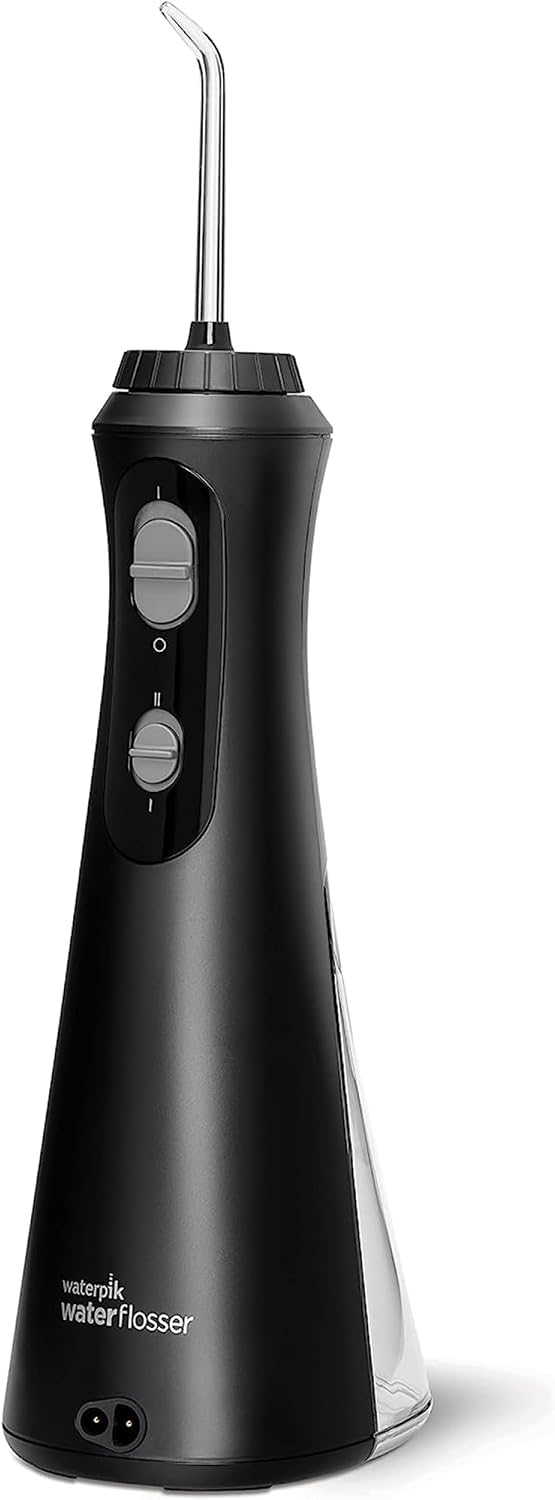
These are compact and often battery-operated. They integrate the water reservoir into the handle or have a smaller, attached bottle. We found that portability is a huge plus for people who travel frequently or have limited bathroom counter space. However, they often have lower pressure settings and smaller water tanks compared to their stationary counterparts.
Countertop Water Flossers: Powerhouses for Home
These units typically have a larger base unit with a water reservoir and a separate hose connecting to the handle. They generally offer more power, a wider range of pressure settings, and larger tanks, providing a more robust cleaning experience. They are best suited for a permanent spot in your bathroom.
Understanding the Technology: What Makes Them Tick?
Beneath the surface, there are also technological differences. Some models use a simple pump, while others employ more sophisticated technology for a more controlled water stream.
Pulsation Technology
Many modern water flossers use pulsating water streams. This technique is designed to effectively disrupt plaque and clean below the gumline. The rhythm and intensity of these pulsations can vary between models, affecting the cleaning efficacy. We’ve seen that many dental professionals recommend devices with pulsation features.
Smart Features and Connectivity
Believe it or not, some high-end water flossers now come with app connectivity! These can offer personalized brushing or flossing guidance, track your habits, and remind you to floss. While not essential for everyone, these smart features can be a motivator for some users.
Making Your Choice: A Quick Checklist
So, are all water flossers the same? Definitely not! To help you narrow down your options, consider these points:
- Do you have sensitive gums that need gentle care?
- Are you dealing with braces, implants, or bridges?
- How much counter space do you have available?
- Do you travel often and need something portable?
- What’s your budget for a new oral hygiene tool?
- Are you looking for basic cleaning or advanced features?
By thinking about these questions, you’re well on your way to picking a water flosser that’s perfect for you. Remember, the best water flosser is the one you’ll use consistently to keep your smile healthy!
Conclusion
You’ve seen that not all water flossers are the same, and understanding their differences is key to better oral health. We’ve covered how varying pressure settings, water tank capacities, and specialized nozzle types all impact your cleaning routine. Whether you need a portable option for travel or a powerful countertop unit for home, there’s a water flosser designed for you. Your unique dental needs should guide your choice. Now, take what you’ve learned and find the water flosser that will make your smile shine brighter and healthier!
Frequently Asked Questions
Will a basic water flosser be enough for me?
A basic water flosser can be effective for everyday cleaning if you don’t have specific dental concerns like braces or implants. We found that many users benefit greatly from even the simplest models for improved gum health. It’s a great starting point if you’re new to water flossing.
How do I know what pressure setting is right for my gums?
You should always start with the lowest pressure setting available, especially if your gums are sensitive or you’re new to water flossing. Gradually increase the pressure over time as your gums get used to it. Research suggests this gentle approach prevents irritation and ensures comfortable cleaning.
Are portable water flossers less effective than countertop models?
Portable water flossers often have less powerful motors and smaller water reservoirs, which can mean shorter cleaning times and potentially less pressure. However, for many people, their convenience outweighs these differences, and they still offer a significant improvement over traditional flossing alone.
Can I use the same water flosser tip as someone else in my family?
While you technically can share tips, it’s not recommended for hygiene reasons. Many water flossers come with multiple tips, often color-coded, so each person can have their own. This ensures the most sanitary and personalized experience for everyone.
What makes some water flossers seem more expensive than others?
Higher-priced water flossers often include more advanced features like a wider range of pressure settings, larger water tanks, more specialized nozzle types, and sometimes even smart connectivity. We’ve found that these premium features can enhance cleaning effectiveness and user experience for specific needs.