Water Flossers vs. Traditional Flossing: Which is Better
Yes, water flossers can be just as effective as traditional string floss for cleaning your teeth and gums. They work by spraying a gentle stream of water to dislodge food particles and plaque. Many people find them a more comfortable and easier-to-use alternative. This is especially true if you have braces, bridges, or implants.
While both methods aim to remove debris from between your teeth, they achieve it differently. Regular flossing uses a physical string to scrape away plaque. Water flossers use pressurized water jets. Research has found that both can significantly improve gum health and reduce gingivitis. It often comes down to personal preference and consistent daily use.
- Water flossers can be as good as string floss.
- They use water jets to clean between teeth.
- Both methods improve gum health.
- Consistency is key for any flossing method.
- Choose the method you’ll use daily!
Let’s take a closer look at how water flossers stack up against traditional string floss to help you decide. We’ll cover the pros, cons, and who might benefit most from each.
Water Flossers vs. String Floss: What’s the Real Difference?
So, you’re wondering if that gadget spraying water can really do the job your trusty string floss has been doing for years? It’s a fair question! Both water flossers and traditional string floss aim for the same goal: getting rid of that stubborn plaque and food bits hiding between your teeth and along the gumline. Research generally finds both methods effective for oral health when used correctly and consistently (CDC).
Think of it like cleaning different surfaces. String floss is like a cloth you use to wipe away dirt. A water flosser is more like a gentle power washer for those hard-to-reach spots. While they both clean, they use different techniques. The choice between them often boils down to what works best for your mouth and your daily routine.
How Water Flossers Work Their Magic
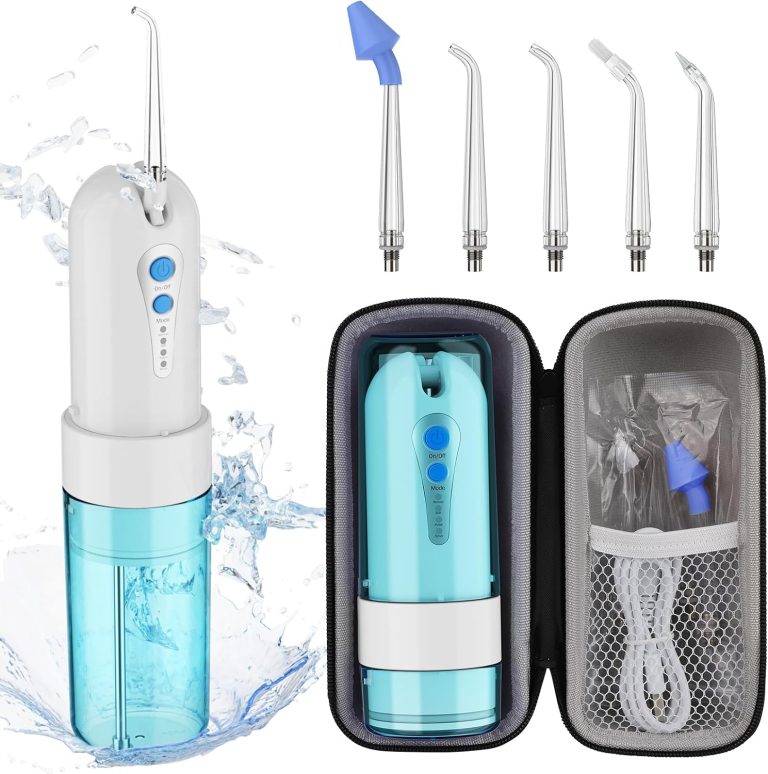
A water flosser, often called an oral irrigator, uses a pulsed stream of water. You direct this stream between your teeth and along your gumline. The pulsating action helps to flush out debris and disrupt plaque. It’s a bit like a mini car wash for your mouth! Many models come with different tips for various needs, like cleaning around braces or reaching deep pockets. Our guide to the best electric water flossers can help you find a model that suits your needs.
The Gentle Approach
One of the biggest draws of water flossers is their gentleness. If you find string floss a bit harsh, or if your gums tend to bleed easily, a water flosser might be a game-changer. The water stream can be less irritating than scraping a string. This makes it a more comfortable option for many people, especially those with sensitive gums.
Ease of Use for Specific Needs
For folks with dental work, water flossers truly shine. Braces, bridges, implants, and crowns can make traditional flossing a real challenge. Getting floss around all those nooks and crannies can be tricky and time-consuming. A water flosser, however, can easily navigate these areas. It’s designed to clean around these dental appliances effectively.
String Floss: The Tried-and-True Champion
Traditional string floss has been around for ages for a reason. It’s simple, accessible, and highly effective when used properly. You slide the floss between your teeth and use a C-shape motion to scrape away plaque from the tooth surface and just below the gumline. It’s a direct, physical cleaning action.
The Scraping Power
The physical act of scraping with string floss is excellent at removing plaque. Many dentists emphasize that string floss is uniquely effective at getting into those tight spaces and physically removing the sticky film of plaque. It requires a bit of manual dexterity, but the results can be very thorough.
Accessibility and Simplicity
You don’t need batteries or a power outlet for string floss. It’s portable and requires no charging. You can buy it at virtually any store. This makes it a super convenient option for daily cleaning, whether you’re at home or on the go. Plus, it’s usually quite affordable.
Comparing the Two: A Closer Look
Let’s break down how these two methods stack up side-by-side. While both aim to improve your oral hygiene, their strengths lie in different areas.
| Feature | Water Flosser | String Floss |
|---|---|---|
| Cleaning Mechanism | Pulsating water stream | Physical scraping with a string |
| Plaque Removal | Effective at disrupting and flushing plaque | Highly effective at physically scraping plaque |
| Ease of Use | Easier for braces, bridges, implants; less dexterity needed | Requires more manual skill, can be tricky with dental work |
| Gum Sensitivity | Often gentler, less irritating for sensitive gums | Can sometimes cause irritation or bleeding if used too roughly |
| Portability | Requires a unit and power source (some are rechargeable) | Very portable, no power needed |
| Cost | Higher initial investment for the device | Low ongoing cost for floss |
What Does the Research Say?
Studies have compared the effectiveness of both methods. Some research suggests that while water flossers are great at reducing gingivitis and reaching certain areas, traditional floss might be slightly better at removing plaque in specific tight spots (NCBI). However, many dentists agree that a water flosser can be just as good, especially when used with proper technique and when it encourages more consistent daily cleaning.
A study published in the Journal of Clinical Dentistry found that adding a water flosser to brushing significantly reduced gingivitis and bleeding gums compared to brushing alone. Another review indicated that water flossers are highly effective for individuals who struggle with traditional flossing techniques (American Dental Association).
Who Benefits Most from Each Method?
The Case for Water Flossers
Water flossers are a fantastic choice if you:
- Have braces, implants, bridges, or crowns.
- Find string flossing difficult or uncomfortable.
- Have sensitive or bleeding gums.
- Want to add an extra layer of cleaning to your routine. Our guide to the best water floss device can help you add an extra layer of cleaning.
- Are looking for a more modern approach to interdental cleaning.
Many people find they are more likely to floss daily when using a water flosser because it feels less like a chore and more like a quick rinse.
The Case for String Floss
Traditional string floss remains a top recommendation if you:
- Don’t have extensive dental work.
- Have the dexterity and patience for proper technique.
- Prefer a simple, no-frills cleaning method.
- Are looking for the most budget-friendly option.
- Are already consistent with your daily string flossing.
The key is that you actually use it every day! If string floss isn’t getting used, it’s not doing any good.
Making Your Daily Choice: What’s Best for You?
Ultimately, the “better” method is the one you will use consistently and correctly. Both water flossers and string floss can be excellent tools for maintaining good oral hygiene.
Think about your personal preferences, any dental work you have, and how much time and effort you’re willing to commit. Sometimes, people even use both! Perhaps string floss for the tightest spots and a water flosser for a thorough rinse, especially after meals.
A Quick Checklist for Your Decision:
- Do you have braces, bridges, or implants? (Water flosser might be easier!)
- Do your gums get easily irritated? (Water flosser could be gentler.)
- Do you find string floss difficult to manage? (Consider a water flosser.)
- Are you looking for the most portable, no-tech option? (String floss wins.)
- What method will you *actually* use every single day? (This is the most important question!)
The most important thing is to clean between your teeth every day. Whether you choose the steady stream of water or the trusty string, making it a habit is what truly makes a difference for your smile (American Dental Association).
Conclusion
So, are water flossers as good as regular string floss? The answer is a resounding yes, they can be! Both methods are effective for cleaning between your teeth and improving gum health. Research shows that consistent daily cleaning is the most important factor for a healthy smile. If you have braces, sensitive gums, or find string floss tricky, a water flosser is likely a fantastic choice. If you prefer a simple, portable method and have the dexterity, string floss is still a winner. Your best bet? Pick the tool you’ll use every single day and stick with it for a healthier mouth!
Frequently Asked Questions
Can I replace string flossing with a water flosser entirely?
For many people, yes! If you use a water flosser correctly and consistently, it can be a complete replacement for string floss. Studies show they effectively disrupt plaque and reduce gum inflammation. Just ensure you’re cleaning thoroughly between all your teeth.
Is water flossing better for sensitive gums?
Often, yes. Water flossers use a gentle stream of water that can be less irritating than the scraping action of string floss. If your gums bleed easily or feel sensitive, you might find a water flosser much more comfortable. You can also adjust the pressure settings on most models.
Do dentists recommend water flossers over string floss?
Dentists recommend whatever method you will use consistently and correctly. Both methods have research supporting their effectiveness. Many dentists see water flossers as an excellent alternative, especially for patients with braces, bridges, or difficulty using string floss.
How long does it take to water floss?
Most people find that water flossing takes about the same amount of time as regular flossing, roughly 1-2 minutes. It’s a quick and efficient way to clean between your teeth and along the gumline. Some find it even faster than maneuvering string floss.
Can I use mouthwash in my water flosser?
Some water flossers allow you to add mouthwash, but always check your device’s manual first. Using plain water is generally sufficient for effective cleaning. If you do use mouthwash, dilute it as recommended by the manufacturer to avoid damaging the unit.