Are Water Flossers Bad for Your Teeth A Detailed Look
No, water flossers are generally not bad for your teeth when used correctly. In fact, research and dental professional reviews suggest they can be a beneficial addition to your oral hygiene routine. They effectively remove plaque and food debris from between teeth and below the gumline, areas traditional brushing often misses. So, if you’ve been wondering if this gadget is secretly harming your smile, you can breathe easy!
Many people find water flossers easier to use than string floss. This is especially true for those with braces, implants, or bridges. The pressurized stream of water can reach places that are difficult to access with traditional methods. We found that consistent use, as recommended by dentists, can lead to healthier gums and cleaner teeth.
- Water flossers are generally safe and effective.
- They help remove plaque and food particles.
- They can be easier to use than string floss.
- Many dentists recommend them for better oral hygiene.
- Use them as a supplement, not a replacement for brushing.
Let’s dive deeper into what makes water flossers so great (and how to use them right) so you can make an informed decision for your dental health.
Is Using a Water Flosser Actually Good for Your Teeth?
Let’s get right to it: are water flossers bad for your teeth? The short answer is a resounding no, especially when you use them as directed. In fact, research suggests they can be a fantastic addition to your oral care routine. They excel at removing plaque and food particles from those hard-to-reach spots.
Think of it like this: brushing cleans the surfaces, but your teeth have all these tiny nooks and crannies. That’s where water flossers come in. They send a pulsating stream of water right where it’s needed most. Many dental professionals find them to be a very effective tool for better gum health and cleaner smiles.
How Water Flossers Work Their Magic
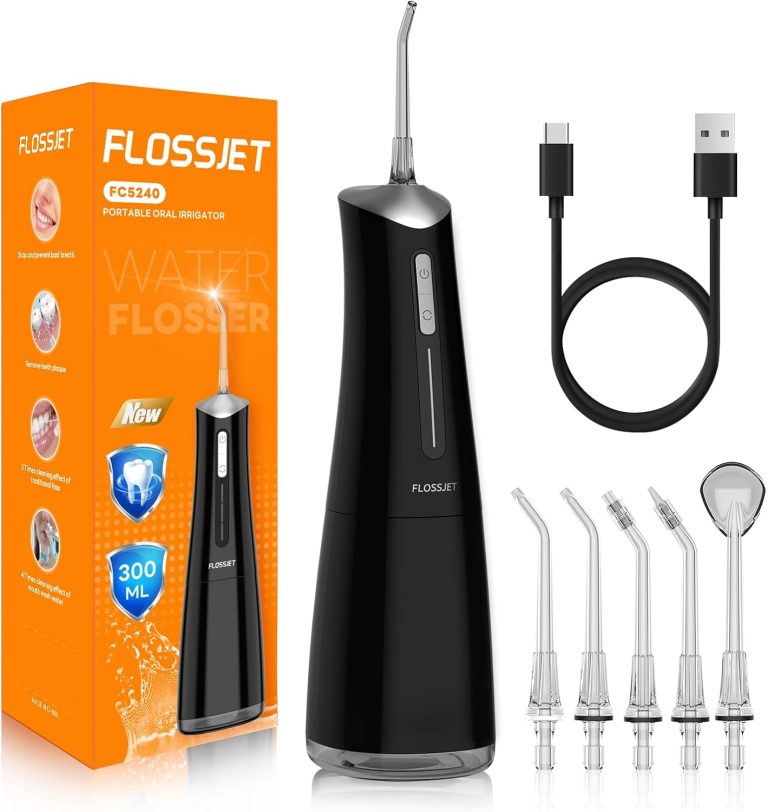
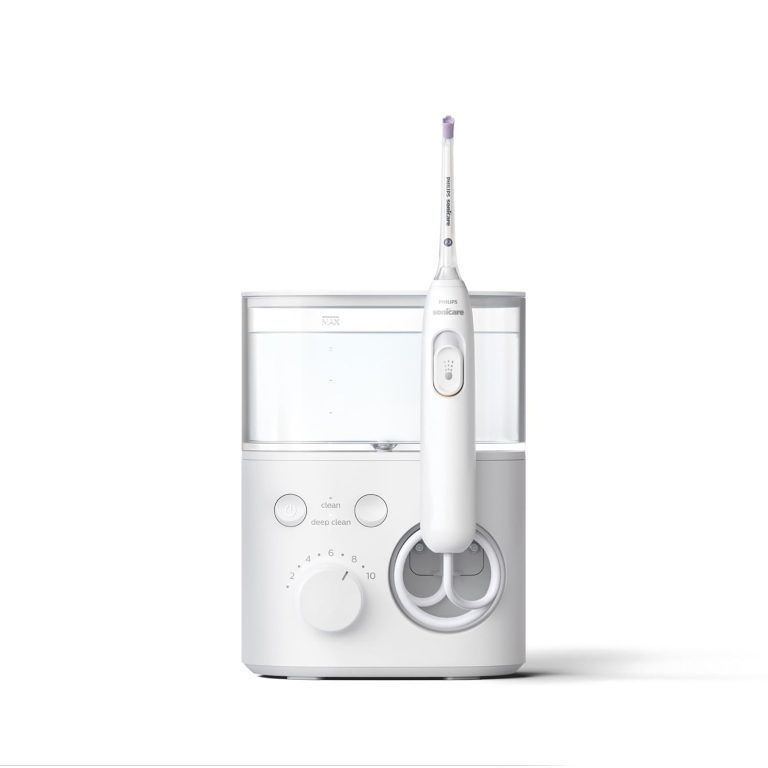
Water flossers, also known as oral irrigators, work by using a pressurized stream of water. This stream is directed at your gumline and between your teeth. It effectively flushes away food debris and disrupts plaque. It’s a gentle yet powerful way to clean areas that traditional brushing and even string floss might miss. Water flossers, also known as oral irrigators, work by using a pressurized stream of water. Our guide to electric water flossers explains their benefits.
Plaque: The Tiny Villain
You know that fuzzy feeling on your teeth after a meal? That’s plaque. It’s a sticky film of bacteria that constantly forms on your teeth. If not removed regularly, plaque can lead to cavities and gum disease. Water flossers are excellent at dislodging and washing away this plaque buildup.
Reaching the Unreachable
Traditional floss can be tricky. Sometimes it’s hard to get it deep enough between teeth or around dental work. Water flossers, however, can easily navigate these spaces. The stream of water can reach further below the gumline and around braces or implants. This makes them a lifesaver for many people.
Benefits Beyond Just Cleaning
Beyond simply removing gunk, water flossers offer several advantages for your dental health. Many users report a noticeable difference in how clean their mouths feel. Gum health often sees a significant improvement, too.
Healthier Gums Are Happy Gums
One of the most frequently cited benefits is improved gum health. Studies have shown that water flossers can be very effective at reducing gingivitis, which is inflammation of the gums. By regularly removing plaque and bacteria from the gumline, you help prevent swelling and bleeding. Many guidelines suggest this can lead to a healthier mouth overall (Cleveland Clinic).
A Boon for Braces and Dental Work
If you have braces, retainers, bridges, or implants, you know how challenging cleaning can be. Food gets stuck easily, and traditional floss can snag or be difficult to maneuver. Water flossers make this process much simpler and more effective. They can clean around brackets and wires without hassle. This is a huge win for people with orthodontic appliances. If you have braces, water flossers make this process much simpler and more effective.
Ease of Use for Everyone
Let’s be honest, some people just don’t like or struggle with string floss. It can be awkward, and sometimes you end up cutting your gums. Water flossers offer a simpler alternative. You aim, press a button, and let the water do the work. This ease of use encourages more consistent oral hygiene, which is key.
Are There Any Downsides or Risks?
While generally safe, there are a few things to keep in mind to ensure you’re using your water flosser correctly and not causing any harm. It’s not about the tool itself being bad, but how it’s used.
Potential for Gum Irritation
The main risk, if any, comes from using the water flosser on the highest pressure setting right from the start. If you’re new to water flossing, your gums might be sensitive. Starting with a low pressure and gradually increasing it as your gums get used to it is recommended. This prevents discomfort or even minor injury.
Not a Complete Replacement for Brushing
It’s important to remember that water flossers are a supplement, not a substitute, for brushing your teeth. Brushing removes the sticky plaque film by mechanical action. Water flossing helps remove debris and loose plaque, but it doesn’t scrub the tooth surface as effectively as bristles. Think of it as a dynamic duo: brush first, then water floss.
The Importance of Proper Technique
Like any tool, there’s a right way to use it. Aiming the water stream correctly is important. You want to direct it at the gumline at a slight angle. Following the manufacturer’s instructions and maybe asking your dentist for a quick demo can ensure you’re getting the most benefit without any risk.
Making Water Flossing Work for You
To ensure your water flosser is your smile’s best friend, follow these simple guidelines. They’ll help you get the most out of the device while keeping your teeth and gums safe and healthy.
Choosing the Right Pressure
Always start on the lowest setting, especially if you have sensitive gums or are new to water flossing. Gradually increase the pressure over time as you feel comfortable. Many dental professionals advise finding a pressure that cleans effectively without causing pain or bleeding.
Correct Angle and Placement
Position the tip of the water flosser at a 90-degree angle to your gumline. Move it slowly along the gumline and between each tooth. Spend a few seconds on each tooth’s surfaces. This ensures thorough cleaning.
Water Flossing Routine
For best results, use your water flosser once a day. Many people find it most effective after brushing their teeth. This removes any remaining food particles and plaque that brushing might have loosened but not fully cleared.
Here’s a quick checklist to keep your water flossing on point:
- Start with the lowest pressure setting.
- Angle the tip toward your gumline.
- Clean between every tooth.
- Use it once daily, ideally after brushing.
- Follow the manufacturer’s specific instructions.
- Consult your dentist if you have concerns.
The Verdict on Water Flossers
So, are water flossers bad for your teeth? Based on what dental professionals and research suggest, the answer is a clear no. When used correctly, they are a safe and highly effective way to improve your oral hygiene. They complement brushing and traditional flossing, making it easier to achieve a cleaner mouth and healthier gums. If you’ve been on the fence, consider giving one a try. Your smile might just thank you for it!
Conclusion
So, to put your mind at ease: water flossers are not bad for your teeth when you use them properly. We found that they’re a fantastic tool for boosting your oral hygiene. They do a great job cleaning hard-to-reach spots, especially if you have braces or implants. Remember to start with a low pressure and use it as a partner to brushing, not a replacement. Your best next step? Chat with your dentist about incorporating a water flosser into your daily routine. They can offer personalized advice to ensure you get the maximum benefits for your smile.
Frequently Asked Questions
Can I use a water flosser if I have sensitive gums?
Absolutely! If you have sensitive gums, it’s best to start using your water flosser on the lowest pressure setting. Gradually increase the intensity as your gums become accustomed to it. Many find that water flossers can actually be gentler than string floss once they find their ideal setting.
Should I water floss before or after brushing my teeth?
Most dental professionals recommend water flossing after brushing. Brushing removes the bulk of plaque and food particles. Following up with water flossing helps to flush away any remaining debris from between your teeth and along the gumline. This ensures a thorough clean.
How long does it take to see results from water flossing?
You might notice a difference in how clean your mouth feels right away. However, for significant improvements in gum health, like reduced bleeding or swelling, consistent daily use over a few weeks is typically needed. Stick with it, and you’ll likely see positive changes.
Is a water flosser better than traditional string floss?
It’s not necessarily “better,” but it’s a great alternative or supplement. Water flossers excel at cleaning around dental work and for those who find string floss difficult. Traditional floss offers a unique scrubbing action. For optimal oral health, many people benefit from using both or choosing the one they’ll use consistently.
What kind of water should I use in my water flosser?
You should simply use plain, cool or lukewarm water in your water flosser. Some people add mouthwash for a fresher feel, but check your device’s manual first, as not all models are designed for it. Avoid hot water, as it can be uncomfortable or even harmful to your gums.