7 Benefits of Water Flossers Backed by Dentists October 2026
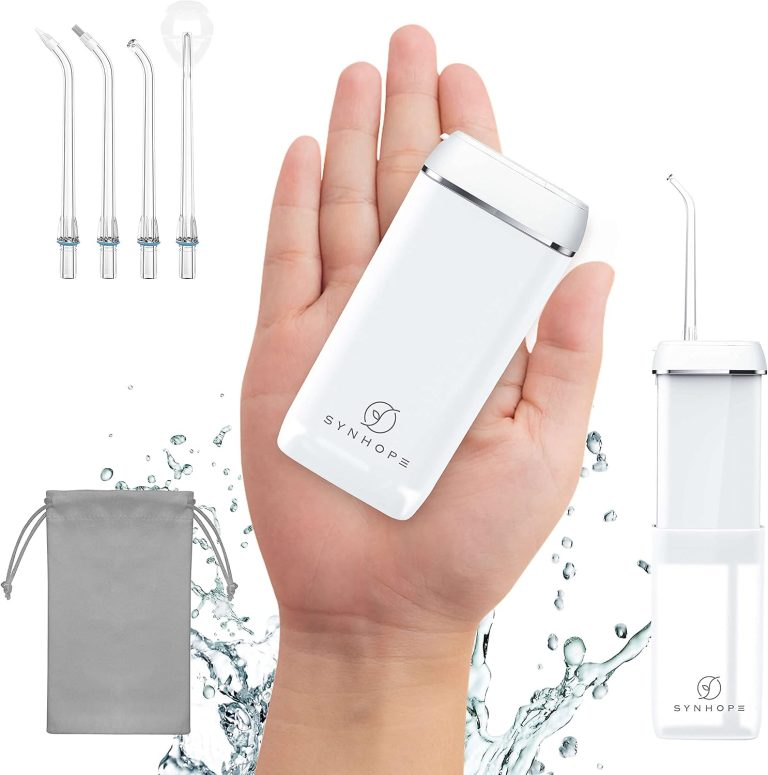
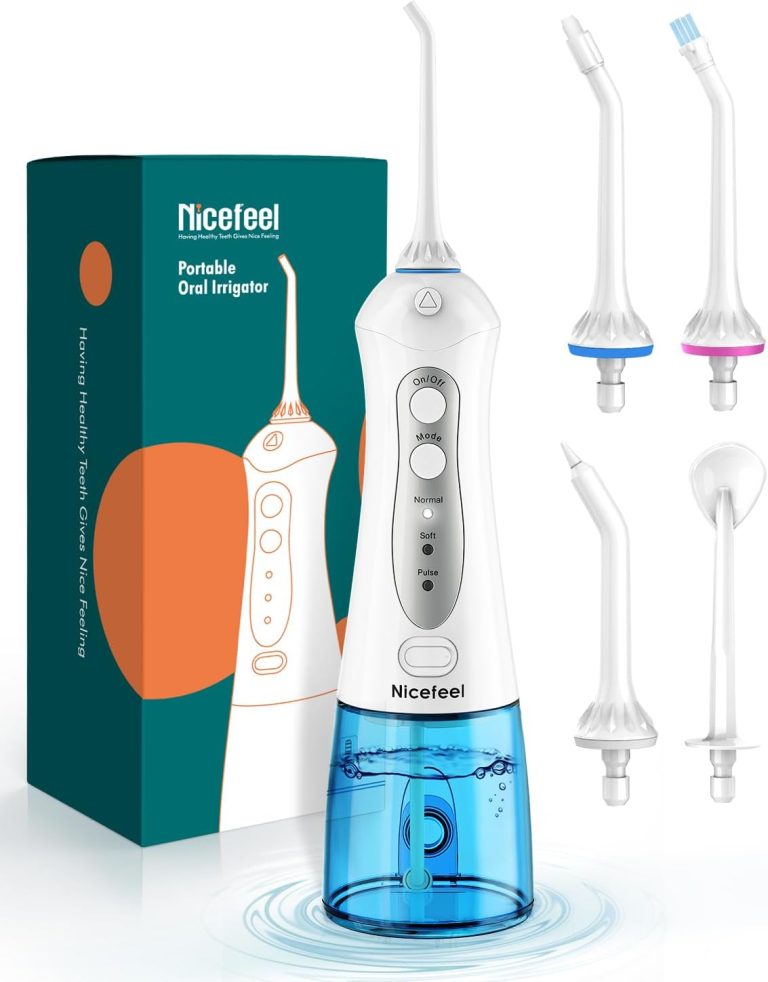
A water flosser is a handheld device that sprays a steady stream of water between your teeth and along your gumline to remove food debris and plaque. It cleans where your toothbrush can’t reach, and many people find it easier and more comfortable than string floss. If you hate flossing (and honestly, who doesn’t?), this little gadget might be your new best friend.
So why do dentists keep recommending them? Because a cleaner gumline means fewer cavities, less bleeding, and fresher breath. We researched what dental experts and users are saying, and we found that water flossers can be especially helpful for people with braces, dental bridges, or sensitive gums. Even the folks who floss daily often say it feels like a mini spa treatment for their mouth.
TL;DR — Here’s what a water flosser can do for you:
- Removes plaque and trapped food in hard-to-reach spots
- Reduces gum bleeding and inflammation over time
- Is gentler on sensitive gums than string floss
- Works great with braces, implants, and bridges
- Takes about a minute a day — no awkward finger gymnastics required
Below, we break down everything you need to know about the benefits of water flossers — from gum health to everyday convenience — so you can decide if one belongs in your bathroom cabinet.
Why a Water Flosser Is Good for Your Teeth and Gums
Water flossers clean between teeth and along the gumline using a pressurized stream of water. Many experts say they work about as well as string floss for removing plaque, and some studies show they can reduce gum bleeding even better (NIH).
Think of it like a tiny power washer for your mouth. Your toothbrush handles the flat surfaces, but the tight spaces between teeth need something extra. That’s where the water stream comes in.
Healthier Gums, Less Bleeding
If your gums bleed when you floss, you’re not alone. Bleeding is often a sign of gingivitis, the early stage of gum disease. We found that water flossers can reduce bleeding and inflammation when used daily (Cleveland Clinic).
The gentle pulsing water also massages the gumline. Many users say their gums feel better within a couple of weeks of regular use.
Plaque Removal Where It Hides
Plaque loves to hide between teeth where bristles can’t reach. Water flossers flush out food particles and bacteria from these tight spots.
Some research shows water flossers can remove more plaque in certain areas than string floss (NCBI). Your results may vary, but the water does the heavy lifting for you.
A Gentler Option for Sensitive Mouths
String floss can snap, shred, or dig into sore gums. Water flossers let you control the pressure, starting low and building up as your gums get healthier.
If you’ve ever winced while flossing, this alone might win you over. No string, no pinched fingers, no blood on the mirror.
Everyday Perks You Might Not Expect
Beyond gum health, water flossers make your routine faster and easier. Most people spend about one minute cleaning their whole mouth.
Braces, Implants, and Bridges Become Simple
String floss and braces are natural enemies. Threading floss under wires takes patience most of us don’t have. Water flossers clean around brackets and wires with zero threaders. For model picks built for orthodontics, see our guide to the best cordless water flossers for braces.
- Cleans around brackets and wires easily
- Flushes out food stuck under bridges
- Safe around implants and crowns
- Reaches behind permanent retainers
Many orthodontists recommend them to patients with braces for exactly these reasons (Mayo Clinic).
Fresher Breath Starts Between Teeth
Bad breath often comes from bacteria hiding between teeth and below the gumline. Brushing alone leaves those spots untouched.
Flushing out trapped food removes one of the main causes of odor. Users often notice a difference within days.
Water Flosser vs. String Floss: A Quick Comparison
Which one should you pick? Here’s an honest look at how they stack up.
| Feature | Water Flosser | String Floss |
|---|---|---|
| Ease of use | Very easy, point and spray | Takes practice and dexterity |
| Gentle on gums | Adjustable pressure | Can cut or irritate gums |
| Works with braces | Excellent | Difficult |
| Cost | Higher upfront | Very cheap |
| Travel-friendly | Only cordless models | Fits in your pocket |
Dentists often say the best floss is the one you’ll actually use. If that’s water, great.
How to Get the Most Out of Yours
Owning a water flosser is step one. Using it well is what delivers the results.
Your Daily Routine Checklist
- Floss first, then brush, so debris rinses away
- Start on the lowest pressure setting
- Aim the tip at the gumline, not the tooth middle
- Pause briefly between each tooth
- Lean over the sink to avoid splashing
- Clean the reservoir weekly to stop mineral buildup
Choosing the Right Model for You
Countertop models have bigger tanks and more pressure settings. Cordless models travel well and fit small bathrooms. Our guide to the best electric water flossers breaks down the top countertop and cordless picks.
Consider your space, your budget, and whether the whole family will share one. Many units come with multiple tips for that reason.
Who Benefits Most From Using One
Almost anyone can use a water flosser, but some people gain extra advantages.
People With Dexterity or Mobility Limits
Arthritis, tremors, or limited hand mobility can make string floss frustrating. Water flossers do the work with a simple trigger pull. We found many caregivers recommend them for older adults for this reason (CDC).
Anyone With Dental Work
Bridges, crowns, and implants create hiding spots for bacteria. A pulsing water stream reaches under and around these areas where floss simply can’t go.
Common Questions Before You Buy
Can It Replace String Floss Entirely?
For many people, yes. Some studies show similar or better plaque reduction compared with string floss (NCBI). Still, ask your dentist what fits your mouth best.
Is It Safe for Everyone?
Water flossers are safe for daily use. If you’ve recently had oral surgery, check with your dentist first before adding any new tool.
Conclusion
A water flosser isn’t just another gadget cluttering your bathroom counter. It’s a simple way to protect your gums, fight bad breath, and make daily flossing feel less like a chore. We found that people with braces, implants, sensitive gums, or limited hand mobility tend to benefit the most — but honestly, anyone who hates string floss can win here. The habit takes about a minute a day, and consistency is what delivers results. If you’ve been skipping flossing because it hurts or feels awkward, this is your sign to try something new. Pick a model that fits your space and budget, start on the lowest pressure setting, and give your gums two weeks to thank you.
Frequently Asked Questions
How long does it take to see results from a water flosser?
Most people notice less bleeding and fresher breath within one to two weeks of daily use. Gum health improves gradually, so stick with it even if the first few days feel uneventful. If bleeding continues after a few weeks, check in with your dentist.
Should I use a water flosser before or after brushing?
Dentists we researched generally recommend flossing before brushing. That way, dislodged food particles get swept away when you brush and rinse. Either order still helps, though, so pick the one you’ll actually stick with.
Can I use mouthwash in a water flosser?
Some people add a small splash of mouthwash, but most manufacturers recommend plain warm water to protect the internal parts. Mouthwash can leave residue and residue buildup in the tank and lines. If you want that fresh feeling, rinse with mouthwash after your water flossing session instead.
Do water flossers use a lot of water and electricity?
No — a full tank is usually around 20 to 30 seconds of use, so water use is minimal. Cordless models charge like an electric toothbrush and sip power. Your utility bills won’t notice a difference.
How often should I replace the water flosser tip?
Plan on swapping tips every three to six months, similar to a toothbrush. Replace sooner if the tip looks worn, discolored, or clogged. Most brands sell replacement tips separately, so check availability before you buy a unit.