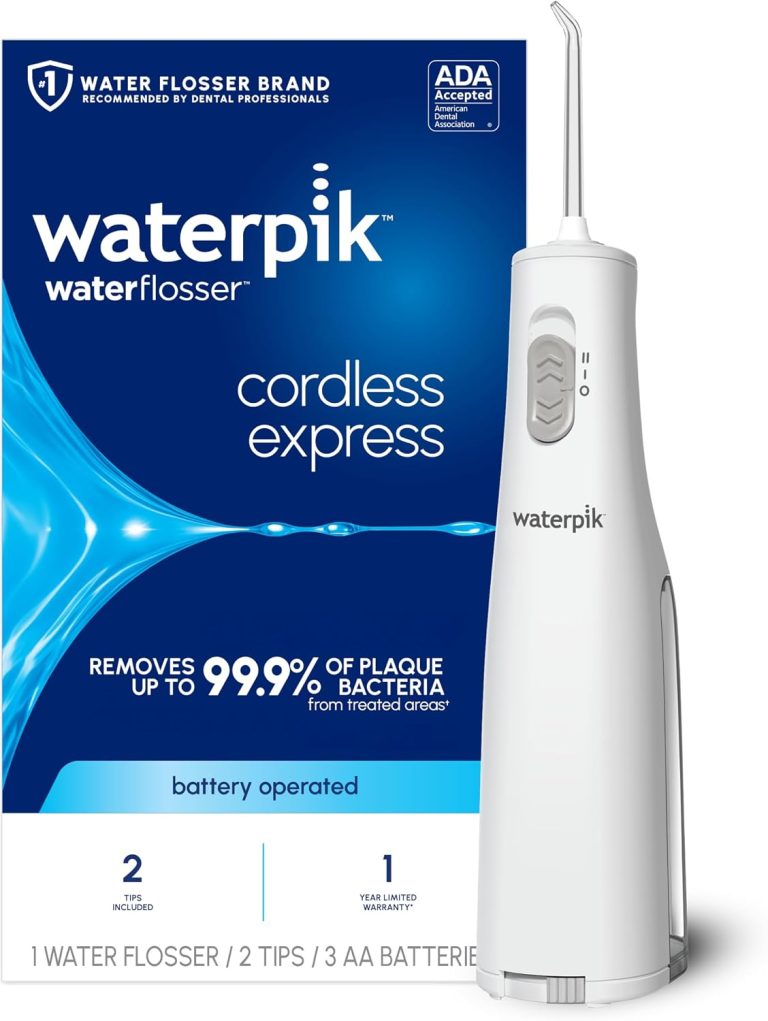
Bleeding With Water Flosser? Causes and How to Stop It
Bleeding with a water flosser usually happens because your gums are inflamed from plaque buildup, and the water pressure irritates that tender tissue. The good news? Most people see the bleeding stop within a week or two as their gums get healthier. So if you just started using one, don’t panic.
But bleeding can also mean you’re using too much pressure, standing too close to the gumline, or dealing with an underlying issue like gingivitis. We dug through dental research and expert advice, and we found that technique matters just as much as the tool itself. Many experts say a little pink in the sink is normal at first — a lot of blood is not.
- Light bleeding during the first 1–2 weeks is common and usually nothing to worry about.
- Too much pressure or the wrong tip angle can make gums bleed even when they’re healthy.
- Bleeding that lasts longer than two weeks is worth a call to your dentist.
- Flossing daily (gently!) helps gums toughen up and stop bleeding over time.
- Signs like swelling, pain, or constant bleeding may point to gum disease.
Below, we break down everything you need to know about bleeding with a water flosser — why it happens, how to fix it, and when it’s time to pick up the phone. Let’s dive in.
Why Your Gums Bleed When You Use a Water Flosser
The short answer: inflamed gums react to water pressure the same way a scraped knee reacts to soap. It stings and bleeds, even though you’re actually helping it. We found that most bleeding falls into two buckets — gum inflammation from plaque, or simple technique errors.
Inflammation Is the Main Reason
When plaque sits along your gumline, your immune system sends blood flow to fight the bacteria. That extra blood makes gums puffy and tender. Poke them with a stream of water, and they bleed. It’s not the flosser’s fault — it’s the plaque that was already there.
The CDC estimates that nearly half of American adults over 30 have some form of gum disease, often without knowing it. So if your gums bleed on day one, you’re in very large company. Many experts say bleeding during brushing or flossing is one of the earliest signs of gingivitis (Mayo Clinic).
Here’s the encouraging part. Gingivitis is reversible. Keep clearing that plaque daily, and the inflammation calms down. Less inflammation means less bleeding — usually within a week or two, according to guidance from the American Dental Association.
Pressure and Technique Mistakes
Sometimes your gums are healthy-ish, and the bleeding is all on you. A few common mistakes we found:
- Starting on max power. Cranking the setting to high on day one is like jumping into a cold pool. Ease in.
- Aiming straight into the gumline. The stream should glide along the gumline at a 90-degree angle, not blast into it.
- Holding the tip in one spot too long. Lingering turns a gentle rinse into a pressure washer.
- Skipping the warm-up. Cold water can make tender gums more sensitive.
How Long Should the Bleeding Last?
Most bleeding should fade noticeably within 3 to 7 days and be gone by two weeks. That’s the general timeline many dentists share with new water flosser users. If you’re outside that window, something else is going on.
The Normal Timeline
Think of it like starting a new workout. Day one, you’re sore. Week two, you’re fine. Your gums follow the same logic.
| Time Frame | What’s Normal | What’s Not |
|---|---|---|
| Days 1–3 | Light pink tint in the sink | Water turning red |
| Days 4–7 | Occasional spotting, less each day | Bleeding that isn’t easing up |
| Week 2 | Little to no bleeding | Same or worse bleeding |
| Week 3+ | No bleeding at all | Any bleeding, plus swelling or pain |
When Bleeding Is a Red Flag
Heavy bleeding that soaks the sink, bleeding that gets worse instead of better, or bleeding paired with pain and swelling all deserve attention. These can point to periodontitis, a deeper gum infection that doesn’t reverse on its own (NIH).
Blood that won’t stop easily can also hint at medications or conditions that affect clotting, like blood thinners. If you take one of those, mention it to your dentist before your next cleaning. It changes how they approach your care.
Simple Ways to Stop the Bleeding
Good news: fixing this usually takes small tweaks, not big changes. Start with pressure, then work on your angles and pace.
Fix Your Technique
Drop the pressure to the lowest or second-lowest setting first. Many experts say starting low and moving up slowly over a week or two gives your gums time to toughen up (Cleveland Clinic). If your current model doesn’t let you dial the pressure down, our guide to the best water floss devices can help.
Next, aim the tip along the gumline at about 90 degrees, and let the water flow between the teeth where brush bristles can’t reach. Pause briefly at each tooth — one or two seconds — then move on. Your whole session should take about a minute.
One more trick we found: do your water flossing over the sink and lean slightly forward. It sounds trivial, but it keeps you relaxed. Tense, hunched-over flossing leads to jabby, rushed technique.
Your First-Week Checklist
Here’s a simple game plan to follow for the next seven days:
- Set the pressure to low and stay there all week.
- Use lukewarm water, not cold.
- Aim along the gumline, not directly into it.
- Pause 1–2 seconds per tooth, then keep moving.
- Use it once a day, every day — consistency beats intensity.
- Keep brushing twice daily with a soft-bristle brush.
Why keep brushing and flossing daily if it hurts? Because skipping is what got the gums inflamed in the first place. Breaking the habit resets the whole cycle back to day one. That’s the trap a lot of people fall into, and it’s the reason their gums never stop bleeding.
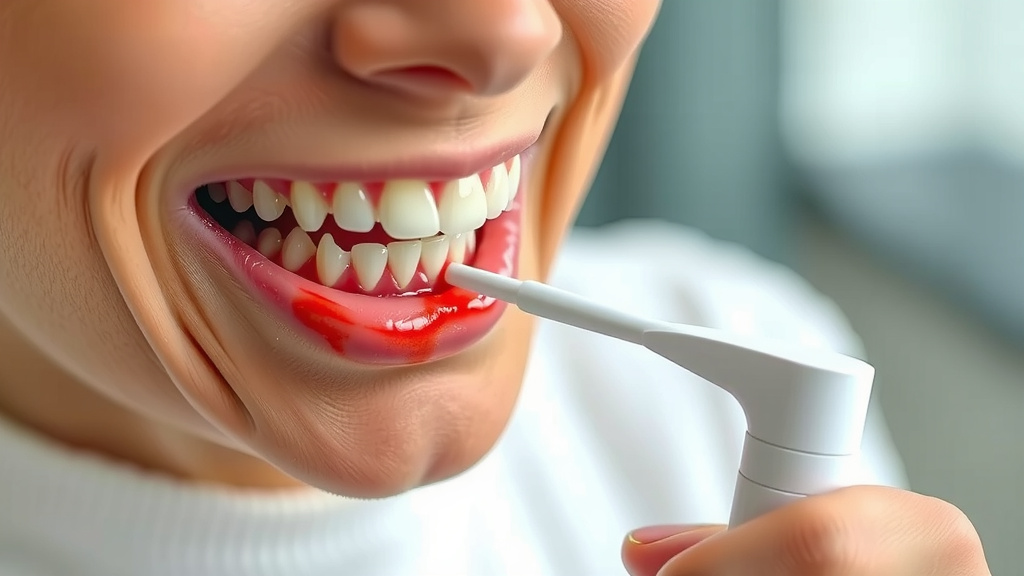
Is It Gingivitis or Just Sensitive Gums?
Sometimes it’s hard to tell the difference between “my gums are adjusting” and “I have a real problem.” We put the key signs side by side so you can compare what you’re seeing.
| Sign | Adjusting Gums | Possible Gum Disease |
|---|---|---|
| Bleeding | Light spotting, fades in 1–2 weeks | Heavy, constant, or getting worse |
| Pain | Mild tenderness at most | Throbbing or sharp pain |
| Look | Slightly pink, normal shape | Red, puffy, or receding gums |
| Other symptoms | None | Bad breath, loose teeth, pus |
If the right-hand column sounds familiar, skip the wait-and-see approach and book a dental visit. Periodontitis involves bone loss that can’t grow back, so catching it early matters (CDC). Your dentist can do a deep cleaning and get you on a plan that actually works.
And if you’re squarely in the left-hand column? Keep going. Your gums are getting healthier every single day you show up. A little patience now pays off with a clean, calm, bleed-free smile later.
Conclusion
Seeing blood in the sink when you water floss is unnerving, but now you know what’s really going on. Light bleeding in the first week or two is normal, and it usually means your gums are flushing out plaque, not falling apart. Drop the pressure down, aim along the gumline, and stay consistent — that’s the winning formula. What matters is the trend. If the bleeding fades day by day, you’re on track. If it stays heavy or comes with pain and swelling, that’s your cue to see a dentist. Give it two honest weeks with the checklist above. If your gums still bleed after that, book an appointment and let a professional take a look. Your future, healthy smile will thank you for it.
Frequently Asked Questions
Can I use a water flosser with braces or dental work if my gums bleed?
Yes, and many people with braces find water flossers easier than string floss. If you’re bleeding, start on the lowest setting and work slowly around brackets and wires. If bleeding continues past two weeks, ask your orthodontist to check the gumline around your hardware. For gentler options built for brackets and wires, see our picks for the best cordless water flossers for braces.
Should I stop flossing altogether if my gums bleed every time?
We recommend against skipping it entirely. Pulling back lets plaque build up even more, which keeps gums inflamed and restarts the bleeding cycle. Drop to the lowest pressure and gentle technique instead. If bleeding persists beyond two weeks, get a dental checkup to rule out infection.
Can mouthwash help stop my gums from bleeding when water flossing?
An antimicrobial or alcohol-free rinse may calm irritated gums and reduce bacteria along the gumline. Some people find rinsing before flossing loosens debris, making the water stream gentler on tender spots. It’s a helpful add-on, but it won’t fix technique problems or replace a dental visit if bleeding continues.
Is it normal for only one spot to bleed when I use my water flosser?
Yes, and it’s actually useful information. One stubborn spot usually means plaque or food debris is pocketed there, or you may have a gum pocket that needs attention. Keep cleaning it gently every day. If that same spot bleeds after two weeks, point it out to your dentist.
Do certain water flosser tips bleed gums more than others?
They can. Narrow, concentrated tips deliver a sharper stream than wider or pulsating tips, so sensitive gums may react more. We found that many people do better starting with a standard tip on low pressure before switching to specialized ones. If one tip seems to trigger bleeding, test a gentler option.