How to Clean an Electric Toothbrush: Easy Steps
The easiest way to clean your electric toothbrush is to rinse the brush head after each use and occasionally wipe down the handle with a damp cloth. Keeping your electric toothbrush clean prevents a buildup of toothpaste residue and bacteria, ensuring it works effectively. You want to keep that smile sparkling, right?
A little regular maintenance goes a long way. Neglecting to clean your electric toothbrush can lead to a less hygienic brushing experience and potentially shorten its lifespan. Many owners find that a quick daily wipe and a more thorough weekly clean keeps their toothbrush in top shape. We’ve researched the best methods to help you out.
- Rinse the brush head after every brushing session.
- Wipe the handle with a damp cloth weekly.
- Ensure all parts are dry before reassembling or storing.
- Deep clean monthly for best results.
- Replace brush heads as recommended by the manufacturer.
Ready to get your electric toothbrush sparkling clean? Let’s walk through the simple steps together to keep it hygienic and performing its best.
You’ve invested in a great tool for your oral health. Now, let’s make sure it stays that way! Keeping your electric toothbrush clean is super important. It’s not just about looks; it’s about hygiene. We’re here to guide you through making sure your toothbrush is as germ-free as possible, helping you maintain that dazzling smile.
Keeping Your Electric Toothbrush Hygienic
Properly cleaning your electric toothbrush prevents the build-up of bacteria and toothpaste residue. This ensures your brush works efficiently and lasts longer. A clean brush head delivers a better clean for your teeth, too!
Daily Maintenance: The Quick Rinse
The most important cleaning step happens immediately after you brush. As soon as you finish your morning or evening routine, take a moment to rinse the brush head. This is your first line of defense against gunk.
Rinsing Technique
Run the brush head under warm running water. Gently swish it around to dislodge any toothpaste or debris. Make sure to rinse thoroughly. You want to wash away everything you just brushed off your teeth.
Drying is Key
After rinsing, shake off excess water. Then, stand the brush head upright. Allowing it to air dry is the best method. This helps prevent moisture from getting trapped, which can encourage bacterial growth. Some people like to pat it gently with a clean cloth, which is also fine.
Weekly Cleaning: A Deeper Dive
While daily rinsing is essential, a more thorough clean once a week will keep everything pristine. This involves cleaning the handle and any removable parts.
Gather Your Supplies
You don’t need much! A damp cloth is usually sufficient. For tougher spots, a little bit of mild soap might be helpful. Avoid harsh chemicals or abrasive cleaners, as they can damage the plastic. A soft toothbrush or cotton swab can also be handy for tight spaces.
Cleaning the Handle
First, detach the brush head from the handle. If your toothbrush has a charging base, unplug it first. Wipe down the handle with your damp cloth. Pay attention to the area where the brush head attaches. This spot can sometimes accumulate toothpaste.
Stubborn Residue?
If you notice any hardened toothpaste, you can use a cotton swab dipped in a little water or mild soap. Gently work it around the edges and crevices. Research from dental professionals often points to keeping the handle dry to prevent electronic issues.
Don’t Forget the Charger!
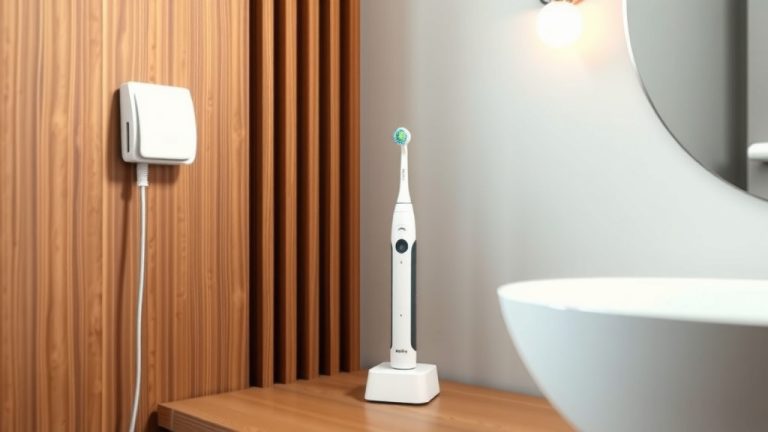
Wipe down the charging base with a dry or slightly damp cloth. Make sure it’s completely dry before plugging it back in. You want to avoid any electrical hazards.
Monthly Deep Clean: For Ultimate Freshness
Once a month, consider a slightly more intensive cleaning routine. This ensures every part of your toothbrush is spotless.
Submerging Parts (With Caution)
Some manufacturers suggest you can briefly soak removable parts, like the brush head holder if yours has one, in warm water. Always check your toothbrush’s manual first. Never submerge the electric handle itself or the charging base. That’s a recipe for disaster!
Vinegar Rinse Option
For an extra burst of clean, some people use a diluted vinegar solution. Mix equal parts white vinegar and water. You can soak the brush head (again, check your manual!) or just wipe down parts with this solution. Rinse thoroughly with plain water afterward. Many dental hygiene resources mention vinegar as a natural disinfectant.
Ensuring Complete Dryness
The most critical part of any cleaning process is ensuring everything is completely dry before reassembly or storage. Moisture is the enemy of a clean toothbrush and can lead to mold or mildew. Lay all parts out to air dry on a clean surface for several hours, or even overnight.
When to Replace Your Brush Head
Cleaning your electric toothbrush is only part of the equation. The brush head itself needs regular replacement to remain effective. Health organizations like the CDC recommend replacing brush heads every 3 to 4 months. You might need to replace it sooner if the bristles become frayed or worn. A worn-out brush head won’t clean your teeth effectively. Plus, old bristles can harbor more bacteria.
Simple Electric Toothbrush Cleaning Checklist
- Rinse brush head immediately after each use.
- Shake off excess water and let brush head air dry.
- Wipe down the handle weekly with a damp cloth.
- Clean charging base with a dry or slightly damp cloth.
- Deep clean removable parts monthly (check manual first!).
- Replace brush head every 3-4 months or when bristles fray.
Conclusion
You’ve learned how easy it is to keep your electric toothbrush clean and hygienic. Regular rinsing after each use and a weekly wipe-down of the handle make a big difference. Don’t forget the occasional deep clean and timely brush head replacement. These simple steps ensure your toothbrush performs at its best for a healthier smile. Make these habits part of your routine, and you’ll maintain your toothbrush’s effectiveness and your oral hygiene. Now, go forth and keep that smile shining!
Frequently Asked Questions
How often should I replace my electric toothbrush head?
Experts generally recommend replacing your electric toothbrush head every 3 to 4 months. You should also replace it sooner if the bristles appear frayed or worn out. Worn bristles can’t clean your teeth effectively and may harbor more bacteria.
Can I put my electric toothbrush handle in water?
No, you should never submerge the electric toothbrush handle or the charging base in water. This can damage the electronics and create a safety hazard. Always stick to wiping them with a damp cloth.
What’s the best way to dry my electric toothbrush head?
After rinsing your brush head, shake off the excess water and stand it upright. Allowing it to air dry is the most effective method. This helps prevent moisture from getting trapped and encouraging bacterial growth.
Is it okay to use soap to clean my electric toothbrush handle?
Yes, you can use a mild soap with your damp cloth for cleaning the handle, especially if you encounter stubborn toothpaste residue. Just be sure to rinse thoroughly with the damp cloth afterward. Avoid harsh chemicals, as they can damage the plastic.
Can I clean my electric toothbrush head with vinegar?
Some people find a diluted vinegar solution (equal parts white vinegar and water) helpful for a deeper clean. You can use it to wipe down parts or briefly soak the brush head, but always check your toothbrush manual first. Rinse thoroughly with plain water afterward.