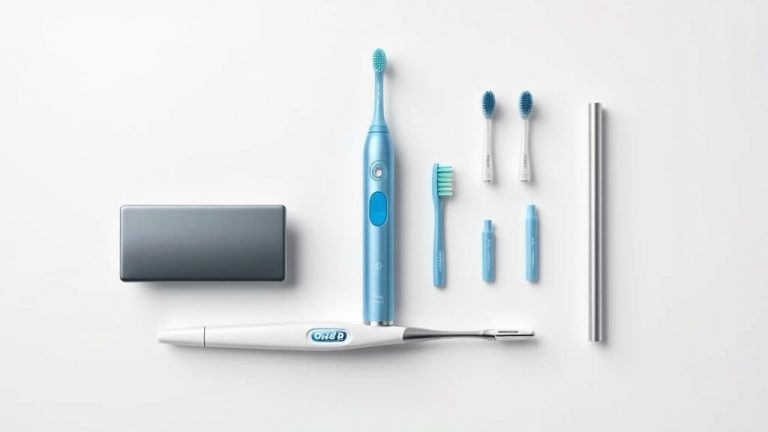
Electric vs Manual Toothbrush: Systematic Review
When choosing between an electric and a manual toothbrush, electric toothbrushes generally offer superior cleaning. Research and systematic reviews consistently show they are more effective at removing plaque and reducing gingivitis compared to manual brushing. This is often due to their oscillating-rotating or sonic technologies.
For many people, the ease of use with an electric toothbrush is a major draw. They can do much of the work for you. However, the best toothbrush is ultimately the one you use correctly and consistently. Understanding the differences helps you make an informed decision for your oral health.
- Electric toothbrushes often remove more plaque.
- They can also be better for gum health.
- Manual brushes are cheaper and widely available.
- Proper technique is key for both types.
- Consider your personal preferences and needs.
Let’s break down what the research says about electric versus manual toothbrushes so you can choose wisely.
“`htmlElectric vs. Manual Toothbrush: What the Research Says
When it comes to keeping your smile bright and healthy, the age-old question persists: should you reach for an electric toothbrush or stick with your trusty manual one? We’ve looked at the latest systematic reviews and research to give you the facts. The consensus? Electric toothbrushes often have an edge.
Plaque Removal: The Electric Advantage
One of the biggest jobs of your toothbrush is to remove plaque. This sticky film of bacteria can lead to cavities and gum disease. Research consistently shows that electric toothbrushes, especially those with oscillating-rotating technology, are more effective at removing plaque than manual brushes.
Oscillating-Rotating vs. Sonic Technology
Electric toothbrushes aren’t all the same. They come in different flavors. Oscillating-rotating models have a small, round brush head that spins and pulsates. Sonic toothbrushes have brush heads that vibrate at very high speeds, creating fluid dynamics that can help clean beyond where the bristles touch.
Systematic reviews, which pool data from many studies, often find that oscillating-rotating brushes perform slightly better in plaque removal than sonic ones. But don’t count sonic brushes out! Both types generally outperform manual brushing.
How Technique Matters
Even the best electric toothbrush needs a little help from you. You still need to guide the brush head to cover all surfaces of your teeth. While electric brushes do much of the scrubbing work, proper technique ensures you get the most bang for your buck. Think of it as letting a professional chef do the chopping, but you still need to season the dish!
Gum Health: A Clear Win for Electric?
Beyond plaque, your gums need care. Gingivitis, an early form of gum disease, is common. It’s caused by plaque buildup along the gum line. You’ll notice symptoms like red, swollen, or bleeding gums.
Many studies have found that using an electric toothbrush can lead to a significant reduction in gingivitis. This is likely because they are better at removing plaque from those hard-to-reach areas near your gums. A Cochrane Review, a highly respected source of medical evidence, found strong evidence that powered toothbrushes reduce gingivitis and plaque.
Are Manual Brushes Bad for Gums?
Not necessarily! If you have excellent brushing technique with a manual toothbrush, you can certainly keep your gums healthy. The challenge for many people is maintaining that perfect technique consistently. Manual brushing requires more manual dexterity and focus to effectively sweep away plaque without irritating the gums.
Ease of Use and Accessibility
Let’s talk about convenience. For many, electric toothbrushes are simply easier to use. The powered motion does the hard work for you. This can be a huge benefit for people with limited mobility, such as those with arthritis or carpal tunnel syndrome.
The Cost Factor: Electric vs. Manual
There’s no denying that manual toothbrushes are cheaper upfront. You can grab a new one for a dollar or two. Electric toothbrushes have a higher initial cost, ranging from $20 to over $100.
Don’t forget replacement brush heads! For electric brushes, these need replacing every 3-4 months, adding an ongoing cost. Manual toothbrushes are replaced entirely, which is also a recurring expense, though generally lower.
Variety and Availability
Both types of toothbrushes are widely available. You can find manual brushes at virtually any store that sells personal care items. Electric toothbrushes are also common, found in most drugstores, supermarkets, and online retailers.
What About Sensitive Teeth and Gums?
If you have sensitive teeth or gums, the choice might depend on the specific brush. Some electric toothbrushes have pressure sensors that alert you if you’re brushing too hard. This can be a lifesaver for preventing gum recession and tooth sensitivity.
Many electric brushes also come with different modes, including “sensitive” settings. These reduce the intensity of the vibrations or oscillations. Manual brushes can also be used gently, but it’s all about your control and awareness.
Making Your Personal Choice: Key Considerations
So, which one is right for you? While research points to electric toothbrushes often being more effective, your personal habits matter most. Here’s a quick checklist to help you decide:
- Budget: How much are you willing to spend upfront and ongoing?
- Manual Dexterity: Do you have any physical limitations that make brushing difficult?
- Sensitivity: Do you experience discomfort with brushing?
- Preferences: Do you simply prefer the feel of one over the other?
- Discipline: Can you maintain excellent technique with a manual brush every time?
| Feature | Electric Toothbrush | Manual Toothbrush |
|---|---|---|
| Plaque Removal | Generally superior | Effective with proper technique |
| Gum Health | Often better reduction in gingivitis | Can be effective, technique is key |
| Ease of Use | High, less effort required | Requires more technique and effort |
| Cost (Initial) | Higher ($20-$100+) | Low ($1-$5) |
| Cost (Ongoing) | Brush head replacements | Full brush replacement |
| Special Features | Timers, pressure sensors, modes | Variety of bristle types/head shapes |
Ultimately, the best toothbrush is the one you will use consistently and correctly. If an electric toothbrush motivates you to brush better and longer, it’s likely a great investment for your oral health. If you’re diligent with your manual brush and achieve great results, stick with what works for you!
“`Conclusion
After reviewing the research, it’s clear that electric toothbrushes often provide a superior clean, especially for plaque removal and improving gum health. Their technology can make brushing easier and more effective for many. However, the most critical factor remains your commitment to brushing correctly and consistently, regardless of the tool you choose.
Your personal preferences, budget, and any specific dental needs should guide your decision. If you’re looking to boost your oral hygiene routine and find manual brushing challenging, an electric toothbrush is likely a smart investment for your smile.
Ready to make a change? Talk to your dentist about the best toothbrush type for your unique oral health needs.
Frequently Asked Questions
Do electric toothbrushes really clean better than manual ones?
Yes, research and systematic reviews generally show that electric toothbrushes remove more plaque and can lead to better gum health than manual toothbrushes. This is often due to their advanced cleaning technologies like oscillating-rotating or sonic vibrations.
Is an electric toothbrush worth the higher cost?
For many people, the improved cleaning effectiveness and ease of use make electric toothbrushes a worthwhile investment in their oral health. While the upfront cost is higher, the long-term benefits can outweigh the expense for some users.
Can I get good results with a manual toothbrush?
Absolutely! If you use a manual toothbrush with proper technique and brush consistently, you can achieve excellent oral hygiene. The key is to be thorough and gentle, ensuring you clean all tooth surfaces effectively.
Which type of electric toothbrush is best: oscillating-rotating or sonic?
Systematic reviews suggest that oscillating-rotating electric toothbrushes may have a slight edge in plaque removal. However, both oscillating-rotating and sonic toothbrushes generally outperform manual brushes, so either can be a good choice.
Are electric toothbrushes good for people with sensitive gums?
Many electric toothbrushes come with features like pressure sensors and sensitive modes that can be very beneficial for those with sensitive gums. These settings help prevent you from brushing too hard, which can reduce irritation and gum recession.