Are Water Flossers Worth the Money? An Honest Look
Yes, water flossers are worth the money for most people, especially if you have braces, dental work, or trouble using regular floss. They blast away food and plaque with a stream of water, and many dentists consider them a solid addition to your routine. That said, they work best as a partner to brushing, not a replacement for flossing altogether.
So how much should you expect to spend, and when does one actually pay off? We dug into the research and found that the answer depends on your gum health, your dental work, and honestly, your habits. If you hate string floss (who doesn’t?), a water flosser you’ll actually use beats one you won’t.
- Quick answer: Yes, for most people, especially those with braces, implants, or bridges.
- Water flossers can reduce bleeding and gum inflammation when used regularly.
- Good models run anywhere from about $30 to $100, so you don’t need to splurge. Our guide to the best water floss devices shows which well-priced models are worth buying.
- They don’t fully replace string floss, but they beat skipping floss entirely.
- The best flosser is the one you’ll actually use every day.
Below, we break down everything you need to know, from costs and benefits to who should skip the gadget and save their money.
What a Water Flosser Actually Does for Your Teeth
A water flosser shoots a thin stream of pulsating water between your teeth and along the gumline. Think of it as a tiny pressure washer for your mouth. It flushes out food bits and loose plaque that brushing leaves behind.
We found that studies published in dental journals, including work indexed by the National Library of Medicine, show water flossers can reduce gum bleeding and inflammation. Some studies even found they match or beat string floss at reducing gingivitis. That’s a big deal if your gums get cranky when you brush.
But here’s the honest part: they don’t scrape off sticky plaque the way floss does. Floss physically wipes the tooth surface. Water rinses it. So many experts say a flosser is a strong addition, not a full swap (Cleveland Clinic).
Who Benefits Most From Owning One
Not everyone needs a water flosser. But for some folks, it’s close to a must-have.
Situations Where a Flosser Earns Its Keep
- Braces: String floss plus wires is basically a puzzle you solve nightly, badly. Our roundup of the best cordless flossers for braces covers models built for cleaning around wires.
- Implants and bridges: Water flow reaches spots floss can’t navigate.
- Permanent retainers: Those wires behind your teeth block floss completely.
- Gum disease history: Dentists often recommend flossers for periodontal patients.
- Arthritis or limited dexterity: If your hands ache, a trigger and a wand are easier.
- Deep pockets between teeth: Water reaches below the gumline gently.
Who Can Probably Skip It
If you have healthy gums, fairly straight teeth, and you floss with string daily without complaint, you’re already winning. Spending $70 won’t make good habits better. Save the money for your next checkup, or, honestly, a nice dinner.
The Real Cost Breakdown
Price is where most people hesitate. We found the market splits into three rough tiers.
| Price tier | What you get | Who it fits |
|---|---|---|
| $25–$40 | Corded countertop or basic cordless models | First-timers, one bathroom, one user |
| $40–$70 | Cordless with multiple pressure settings and tips | Families, braces wearers, travelers |
| $70–$150 | Countertop units with big tanks, extra tips, quiet motors | Multiple daily users, heavy dental work |
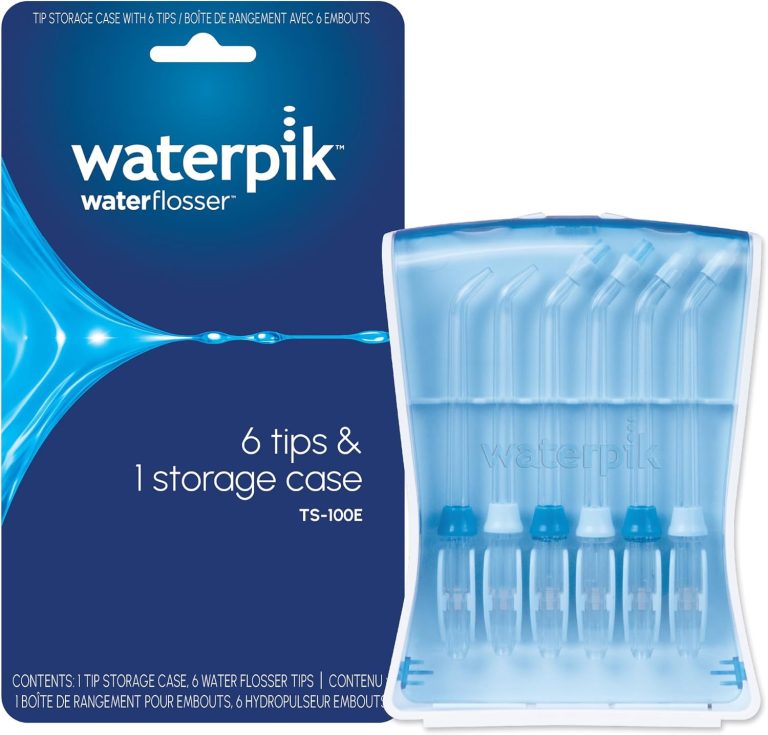
Don’t forget the hidden costs. Tips need replacing every three to six months, and they run about $5 to $10 each. Electric models need more electricity and, occasionally, replacement parts. Over five years, a cheap flosser might cost $50 total in extras. A premium one might double that.
Countertop vs. Cordless: Which One Makes Sense?
Countertop units hold more water, so you floss longer without refilling. They also cost less per feature. The tradeoff is counter space and a cord plugged into your outlet.
Cordless models win on convenience. They fit in a travel bag, work in the shower, and disappear into a drawer. We found that people who buy cordless models tend to stick with the habit longer, simply because the device is always within reach.
Water Flosser vs. String Floss: The Head-to-Head
Here’s the comparison most people actually want. Both tools clean between teeth. Neither does everything.
Where Each One Shines
- String floss: Scrapes sticky plaque off tooth surfaces. Costs pennies. Travels anywhere.
- Water flosser: Rinses below the gumline, around braces, and under bridges. Easier for many people to use daily.
- Both: Remove food debris and help prevent bleeding gums when used consistently.
A review in the Journal of Clinical Periodontology found water flossers performed well against gingivitis and bleeding. But plaque removal comparisons were mixed. Translation: your hygienist may still nag you about flossing technique, just less often.
How to Know If It’s Worth It for You
Run through this quick checklist. If you nod at three or more, a flosser probably pays for itself in saved gum trouble.
- Your gums bleed when you brush or floss.
- You skip string floss more nights than not.
- You wear braces, a retainer, or have implants.
- Your dentist has mentioned pockets or early gum disease.
- Gripping floss hurts your hands or wrists.
- You actually like gadgets and routines with buttons.
Talking to Your Dentist First
Before you buy anything, ask at your next cleaning. Hygienists see the results daily and can tell you whether water flossing fits your mouth. Many will say yes, but some will say your technique with string floss just needs a tweak. That advice costs nothing.
Getting the Most From Your Purchase
Buying the flosser is the easy part. Using it daily is where the value shows up.
Simple Habits That Make It Stick
Keep it on the counter, not in a cabinet. Out of sight means out of routine. Use it before brushing, since studies suggest loosening debris first helps fluoride do its job afterward (NIH).
Start on the lowest pressure setting. Your gums need a week or two to adjust, and blasting them on day one is how devices end up in a junk drawer. Lean over the sink, because there will be splatter. Every time. Accept this now.
A Quick Cleaning Routine for the Device Itself
Empty the tank after each use and let it air dry. Run warm water through the handle weekly. Replace tips on schedule. Two minutes of care keeps the machine from growing things you don’t want near your gums.
When the Money Is Better Spent Elsewhere
Sometimes the honest answer is no. If you’re deciding between a $100 flosser and a $30 electric toothbrush, and you don’t own the toothbrush yet, buy the toothbrush. Brushing does more heavy lifting than anything else in your routine, per guidance from the American Dental Association.
Also skip the purchase if you know your habits. Be real with yourself. A gadget for someone who hates flossing in any form will gather dust. The best dental tool is the one that fits your actual life, not the ideal version of it.
Conclusion
So, are water flossers worth the money? For most people we researched, the answer leans yes. If you have braces, implants, or gums that bleed, a flosser can make daily cleaning easier and more consistent. If you already floss happily with string, keep your cash. The sweet spot sits in the $30 to $70 range, and cordless models tend to build better habits. Just remember that a flosser works alongside brushing and flossing, not instead of them. Your next step is simple: mention it at your next cleaning and ask your hygienist whether one fits your mouth. That free advice beats any review you’ll read online, including ours.
Frequently Asked Questions
Can I use a water flosser every day?
Yes, and you should. Daily use is what delivers the gum benefits we found in the research. Start on a low pressure setting and give your gums a week or two to adjust before cranking it up.
Do water flossers damage gums or enamel?
Not when you use them correctly. The water pressure is gentler than it feels, and enamel isn’t affected at all. If your gums bleed heavily at first, that’s usually a sign of existing irritation, not damage from the device.
Can I put mouthwash in my water flosser tank?
Some people do, but check your model’s manual first. A small splash of mouthwash is usually fine, though it can wear down internal seals over time. Rinse the tank well afterward so residue doesn’t build up.
How long does a water flosser last?
Most decent units hold up for three to five years with regular care. Tips wear out faster and need replacing every few months. If the motor gets loud or the pressure drops, that’s your cue to replace it.
Is a cheap water flosser just as good as an expensive one?
For a single user with basic needs, honestly, yes. The pricey models mostly add tank size, quieter motors, and extra tips. We found that pressure settings matter more than brand names, so even a budget pick can do the core job well.