How Does an Electric Toothbrush Work? A Simple Explanation You’ll Actually Understand
Have you ever wondered what makes your electric toothbrush buzz and vibrate the way it does? You’re not alone. Millions of people use electric toothbrushes every single day, yet most of us have no idea what’s actually happening inside that small cylindrical device we stick in our mouths twice daily. Well, I’m here to demystify the whole thing for you. By the end of this article, you’ll understand exactly how your electric toothbrush works, why it’s more effective than a manual one, and what all those fancy features actually do.
Understanding the Basics: What Makes an Electric Toothbrush Different?
Let me start with the most obvious question: what’s the fundamental difference between an electric toothbrush and a regular one? Think of it this way—a manual toothbrush requires you to do all the work. You’re the motor, the power source, and the control system all rolled into one. An electric toothbrush, on the other hand, takes that burden off your hands, literally. It does the repetitive motions for you, hundreds or even thousands of times per minute, depending on the model you’re using.
The real magic happens inside the toothbrush handle. Instead of relying on your arm’s physical movements, an electric toothbrush uses electricity to power a motor that oscillates, rotates, or vibrates the brush head at incredibly high speeds. This is what gives you that characteristic buzz or hum you feel when you turn it on.
The Power Source: Where Does the Energy Come From?
Every electric toothbrush needs power to operate, and that power comes from either rechargeable or disposable batteries. Let’s talk about both types because they function differently and have their own advantages.
Rechargeable Battery Systems
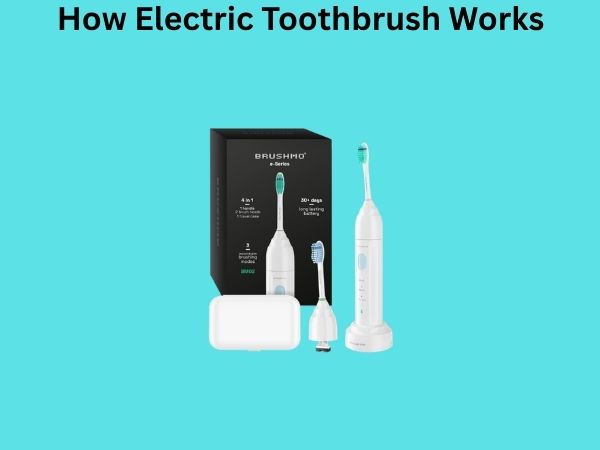
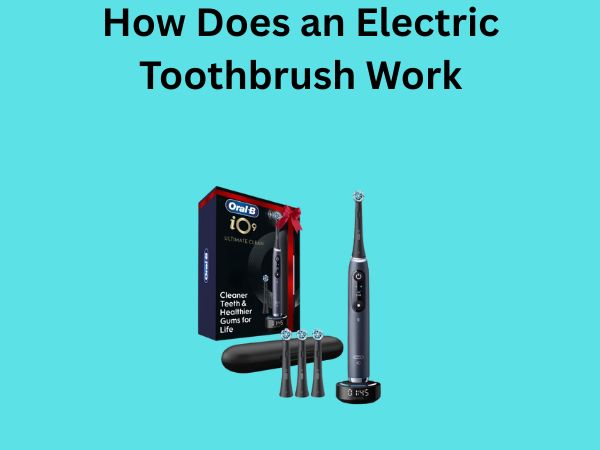
Most modern electric toothbrushes use rechargeable lithium-ion batteries, which are the same type of batteries you’ll find in your smartphone or laptop. These batteries are perfect for electric toothbrushes because they can store a lot of energy in a small space, which is crucial given how compact these devices are. When you place your toothbrush on its charging dock—you know, that stand that comes with your toothbrush—an induction charging system transfers electrical energy to the battery inside without any physical contact. Pretty cool, right?
A single charge can typically last anywhere from five to fourteen days, depending on how often you use your toothbrush and which model you have. Some high-end models can even go for weeks between charges.
Battery-Powered Models
Some budget-friendly electric toothbrushes use standard alkaline or AA batteries instead. These are simpler and don’t require you to worry about charging cables or docks, but they’ll eventually die and need replacing. It’s a trade-off between convenience and cost.
The Motor: The Heart of Your Electric Toothbrush
Now we’re getting to the really interesting part. The motor inside your electric toothbrush is what converts electrical energy into mechanical motion. Think of it as the heart of the device—without it, you’d just have an expensive plastic stick with no special abilities whatsoever.
Types of Motors Used in Electric Toothbrushes
There are primarily two types of motors found in electric toothbrushes today: rotary motors and linear motors. Each one creates a different kind of motion, and this affects how effectively the toothbrush cleans your teeth.
Rotary Motors
A rotary motor spins the brush head in a circular motion, much like you might move a manual toothbrush in small circles across your teeth. The motor rotates the brush head back and forth in a twisting motion, typically completing between 3,000 and 7,600 rotations per minute. This creates that characteristic rotating action you feel when using brands like Oral-B.
Linear Motors
A linear motor works differently. Instead of spinning, it moves the brush head back and forth in a straight line, up and down your teeth. This oscillating motion can happen at incredibly high frequencies—some models achieve up to 40,000 oscillations per minute. Brands like Sonicare are famous for using this technology.
How the Motor Actually Spins
At the core of every motor in an electric toothbrush, you’ll find electromagnets. These are coils of wire that become magnetic when electricity flows through them. The motor uses rapidly switching electrical currents to create changing magnetic fields. These magnetic fields push against permanent magnets attached to the brush head mechanism, causing it to move back and forth or spin continuously. This process happens so fast that it creates that smooth, vibrating sensation you feel in your hand.
The Brush Head Mechanism: Where Cleaning Actually Happens
The motor does all the heavy lifting, but the brush head is where the actual cleaning takes place. This is the business end of your electric toothbrush, and understanding how it works helps explain why electric toothbrushes are often more effective than manual ones.
Brush Head Attachment Systems
Most modern electric toothbrushes have replaceable brush heads that attach magnetically to the main handle. This design serves several purposes. First, it allows you to swap out worn brush heads without buying a whole new toothbrush. Second, the magnetic connection ensures the motor’s vibrations are efficiently transferred to the bristles. If the connection was loose or inadequate, you’d lose a lot of the cleaning power.
The Bristle Design and Material
The bristles themselves are typically made from soft nylon or synthetic materials—never natural hair, since that would absorb too much water and bacteria could thrive in it. Premium brush heads often feature bristles of different heights and densities. Some bristles are shorter and stiffer to target the gum line, while others are longer and softer to reach between teeth. The arrangement of these bristles is carefully engineered to maximize cleaning efficiency.
The Oscillating Action: Understanding the Cleaning Motion
Here’s where physics meets personal hygiene. The rapid oscillations or rotations of the brush head create several mechanical effects that clean your teeth far more effectively than manual brushing alone.
Mechanical Removal of Plaque
When the bristles vibrate or rotate at high speeds, they physically dislodge plaque and food particles from your teeth and gum line. The sheer frequency of motion—thousands of times per minute—means you’re essentially getting thousands of small scrubbing motions in the time it takes you to brush your teeth manually a few times. It’s like having an incredibly efficient cleaning machine doing the work for you.
The Acoustic Streaming Effect
Some electric toothbrushes, particularly sonic models, create something called acoustic streaming. This phenomenon occurs when the bristles move so rapidly that they create tiny fluid currents in the water and saliva around your teeth. These currents help dislodge plaque and bacteria from areas that the bristles can’t even physically reach. It’s a bonus cleaning mechanism that manual toothbrushes simply can’t provide.
Power Delivery Systems: How Vibrations Reach Your Teeth
The motor creates motion, but that motion needs to be efficiently transmitted to the brush head where it can actually do some cleaning. Let’s talk about how this power transfer happens.
Direct Drive vs. Gear Systems
Some electric toothbrushes use a direct drive system, where the motor shaft is directly connected to the brush head. This is simple and efficient but can sometimes create vibrations that feel harsh. Other models use gear systems that can modify the motion—gears can change rotational speed, create different types of motion, or reduce vibration intensity for a more comfortable feeling.
Vibration Dampening Technology
Have you noticed that high-end electric toothbrushes don’t feel as jarring as cheaper models? That’s often because they include vibration dampening systems. These use special materials or mechanical designs to absorb some of the harsh vibrations while still maintaining the cleaning effectiveness. It’s all about making the brushing experience more pleasant without sacrificing performance.
Smart Features: Modern Technology Meets Oral Care
Beyond the basic mechanism that makes the bristles move, modern electric toothbrushes often include various smart features that enhance their functionality and help you brush more effectively.
Pressure Sensors
Many contemporary electric toothbrushes include pressure sensors that detect when you’re pressing too hard against your teeth or gums. When you apply excessive pressure, the toothbrush will reduce its power or alert you to ease up. This prevents gum damage and over-brushing, which can actually harm your teeth over time.
Timer Functions
Built-in timers help ensure you brush for the recommended two minutes. Some toothbrushes even have interval timers that pause every thirty seconds to alert you to switch to a different area of your mouth. This ensures you give equal attention to all your teeth.
Multiple Brushing Modes
Premium models often offer various brushing modes—gentle mode for sensitive teeth, massage mode for gum stimulation, whitening mode for extra cleaning power, and so on. Each mode adjusts the speed and pattern of the brush head to suit different needs.
Connectivity and App Integration
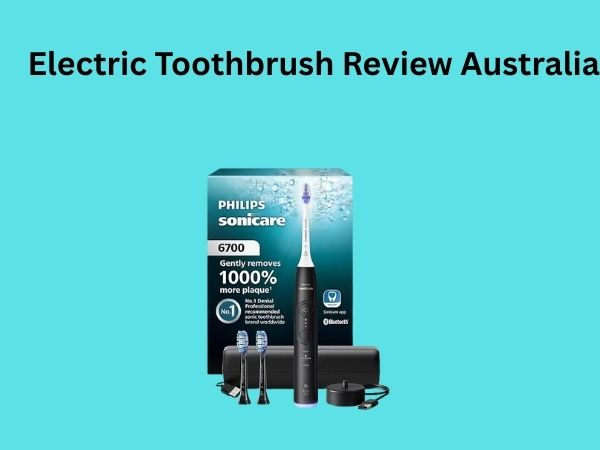
Some electric toothbrushes now connect to your smartphone via Bluetooth. The accompanying app tracks your brushing habits, provides real-time feedback on your technique, and even gamifies the brushing experience. While these features won’t improve the basic cleaning mechanism, they can help you develop better oral hygiene habits.
Water Resistance and Durability Considerations
Since you’re using your electric toothbrush in a bathroom environment where water is constantly present, the device needs to be properly sealed and protected against water damage.
Waterproofing Standards
Most electric toothbrushes have an IPX rating that indicates their water resistance level. IPX7 means the device can be submerged in water up to one meter deep for thirty minutes. This is sufficient for normal use, including rinsing the brush head. However, you shouldn’t shower with your toothbrush or intentionally submerge it unless the manufacturer specifically approves it.
Protective Seals and Gaskets
The internal components are protected by rubber gaskets and seals that prevent water from reaching the motor and battery. These seals need to be maintained carefully—if you drop your toothbrush or damage the handle, water could potentially seep inside and damage the electronics.
Energy Efficiency: How Much Power Does Your Toothbrush Actually Use?
You might wonder about the environmental impact and cost of running an electric toothbrush. Here’s the good news: they’re incredibly efficient devices.
A typical electric toothbrush uses only about 0.4 watt-hours per charge cycle. To put that in perspective, it costs just a few pennies per year to operate. The charging dock uses minimal power when not actively charging—most modern docks use less than 0.5 watts in standby mode. So while an electric toothbrush seems like a high-tech device, it’s actually very energy-efficient compared to many other household appliances.
Why Electric Toothbrushes Clean Better: The Science Behind Superior Results
Now that you understand how electric toothbrushes work mechanically, let’s discuss why they’re genuinely more effective at cleaning your teeth than manual brushing.
Consistency and Precision
A motor can maintain consistent speed and pressure far better than your arm can. When you’re manually brushing, you inevitably apply varying amounts of pressure, and your motion becomes less precise the longer you brush—especially when you’re tired or rushing.
Higher Frequency of Motion
The sheer number of cleaning strokes per minute is dramatically higher with an electric toothbrush. Even if you’re very diligent with manual brushing, you probably make maybe 200 to 300 strokes per minute at most. An electric toothbrush can deliver thousands of strokes or oscillations per minute, providing exponentially more cleaning action.
Better Plaque Removal
Studies have consistently shown that electric toothbrushes remove more plaque than manual brushing, particularly in hard-to-reach areas between teeth and around the gum line. This leads to healthier gums and reduced cavity formation over time.
Common Maintenance and Care for Electric Toothbrushes
To keep your electric toothbrush functioning optimally and ensure it lasts for years, there are a few maintenance steps you should follow.
- Rinse the brush head immediately after use to prevent buildup of dried toothpaste and bacteria
- Replace the brush head every three to four months, or sooner if the bristles appear frayed or flattened
- Store your toothbrush in an upright position in a clean, dry location
- Clean the handle occasionally with a damp cloth—avoid submerging the entire device unless it’s rated for it
- Ensure the charging dock remains dry and clean, and keep the charging contacts free from mineral deposits
- Follow the manufacturer’s instructions for battery maintenance and charging
Comparison with Manual Toothbrushes: A Quick Summary
Let’s do a quick side-by-side comparison to highlight why understanding how an electric toothbrush works matters for your oral health.
Manual toothbrushes rely entirely on your technique and effort. You control the speed, pressure, and motion. This gives you flexibility, but it also places the entire responsibility on you. If you’re tired, distracted, or simply don’t know the best brushing technique, your cleaning effectiveness suffers.
Electric toothbrushes, by contrast, do most of the mechanical work for you. You just need to position the brush and let the motor handle the motion. This means even if you’re not the most diligent brusher, you’re still getting a thorough clean. Research shows that people using electric toothbrushes have better plaque removal and healthier gums on average.
The Future of Electric Toothbrush Technology
As technology advances, electric toothbrushes continue to evolve. Manufacturers are exploring artificial intelligence that can analyze your brushing patterns and provide personalized recommendations. Some are developing more advanced pressure sensors and motion detection systems. Others are working on improved battery technology that charges faster and lasts longer. There’s even research into using ultrasonic frequencies beyond what current models achieve, potentially improving cleaning even further.
The basic principle—using a motor to move bristles rapidly—isn’t likely to change anytime soon, but the way that principle is executed will become increasingly sophisticated.
Conclusion
So there you have it—a comprehensive explanation of how electric toothbrushes work. From the battery that powers the device to the motor that drives the brush head to the intelligent features that enhance your brushing experience, every component serves a purpose. Electric toothbrushes represent a clever fusion of electrical engineering and dental science, all packaged in a device small enough to hold in your hand.
Understanding how your electric toothbrush works helps you appreciate why it’s worth the investment. You’re not just buying a fancy gadget—you’re getting a precision cleaning machine that removes more plaque, protects your gums better, and helps you maintain superior oral hygiene with minimal effort. The next time you turn on your electric toothbrush and feel that familiar buzz, you’ll know exactly what’s happening inside that handle and why it’s so effective at keeping your smile bright and healthy.