Electric Toothbrush vs Sonic: Key Differences
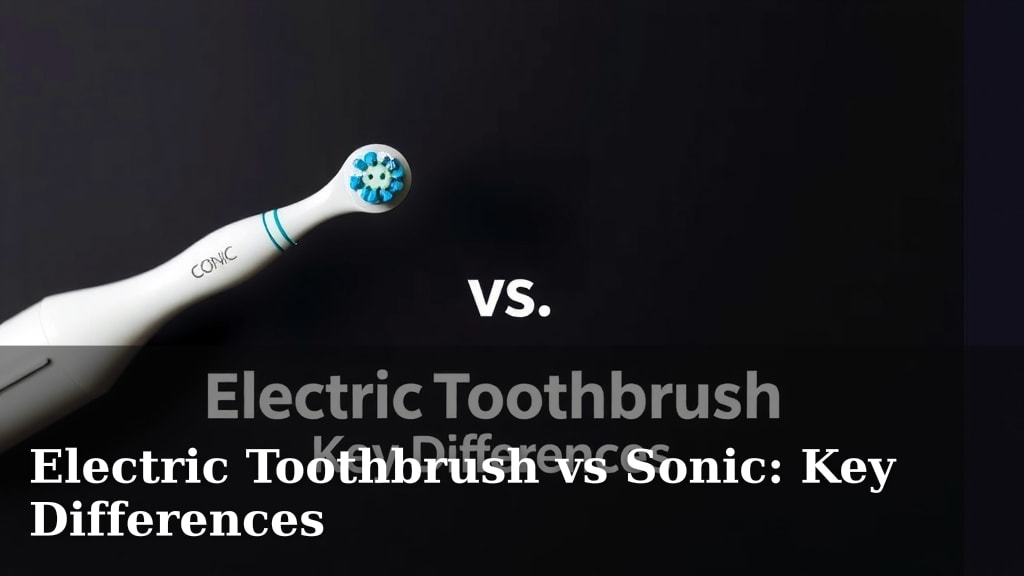
Choosing between an electric toothbrush and a sonic toothbrush can be confusing, but the main difference lies in their cleaning action. While both use power to clean your teeth better than manual brushing, sonic toothbrushes vibrate at high speeds to create dynamic cleaning action, whereas standard electric toothbrushes typically use rotating or oscillating heads. We found that understanding this distinction helps you pick the right brush for your smile.
You might be wondering which one is truly superior for your oral health. Both types offer superior plaque removal compared to manual brushes. Research consistently shows electric toothbrushes, including sonic models, are effective at improving gum health and reducing gingivitis. The best choice often depends on your personal preference and specific dental needs.
- Sonic toothbrushes vibrate rapidly for a dynamic clean.
- Standard electric toothbrushes use rotating or oscillating heads.
- Both are better than manual brushing for plaque removal.
- Your personal preference matters most.
Let’s break down the key differences between these popular electric toothbrush types so you can make an informed decision for your daily routine.
Understanding Your Electric Toothbrush Options
So, you’re looking to upgrade your brushing game. That’s fantastic! You’ve narrowed it down to electric toothbrushes, which is a smart move. Now, let’s sort out the difference between the standard electric models and those buzzy sonic ones. It’s not as complicated as it sounds, and understanding this will help you find your perfect match for a cleaner smile.
How Electric Toothbrushes Work: The Basics
Think of electric toothbrushes as your personal dental assistants. They do the hard work so you don’t have to. The core idea is to provide a more consistent and powerful cleaning action than you can achieve with a manual brush. This means more plaque removal and a better clean overall.
The Bristle Movement: Where the Magic Happens
The primary difference in how electric toothbrushes operate lies in the movement of their brush heads. It’s the engine behind the clean. Most electric brushes have heads that move in specific ways to scrub away plaque and food particles.
Oscillating-Rotating Heads
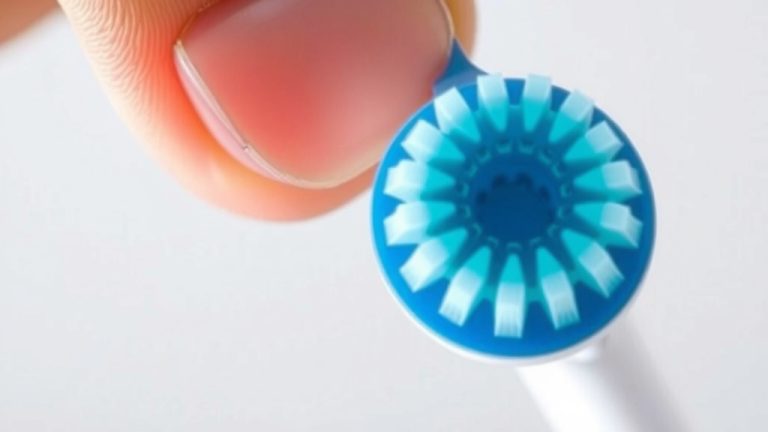
Many traditional electric toothbrushes feature heads that move in a circular, oscillating pattern. Some might also rotate back and forth. This action is designed to sweep across each tooth surface. It’s like a tiny, powerful scrubber for your mouth. Many dental professionals agree this type of movement is highly effective for removing plaque (American Dental Association).
Side-to-Side or Pulsating Motions
Some electric models might add a pulsating motion along with the oscillation. This can help loosen plaque before the bristles sweep it away. It’s a double-whammy against those stubborn bits of food.
Why This Matters for Your Teeth
The way the bristles move directly impacts how effectively plaque is removed and how gently your gums are treated. A consistent, powerful motion can reach areas that are tricky with a manual brush. This can lead to healthier gums and a brighter smile with less effort.
The Sonic Toothbrush: A High-Speed Cleaner
Now, let’s talk about sonic toothbrushes. These are a specific type of electric toothbrush, but they have a unique approach to cleaning. If you’re looking for the latest in vibrational technology, sonic might be your answer.
The Power of High-Frequency Vibrations
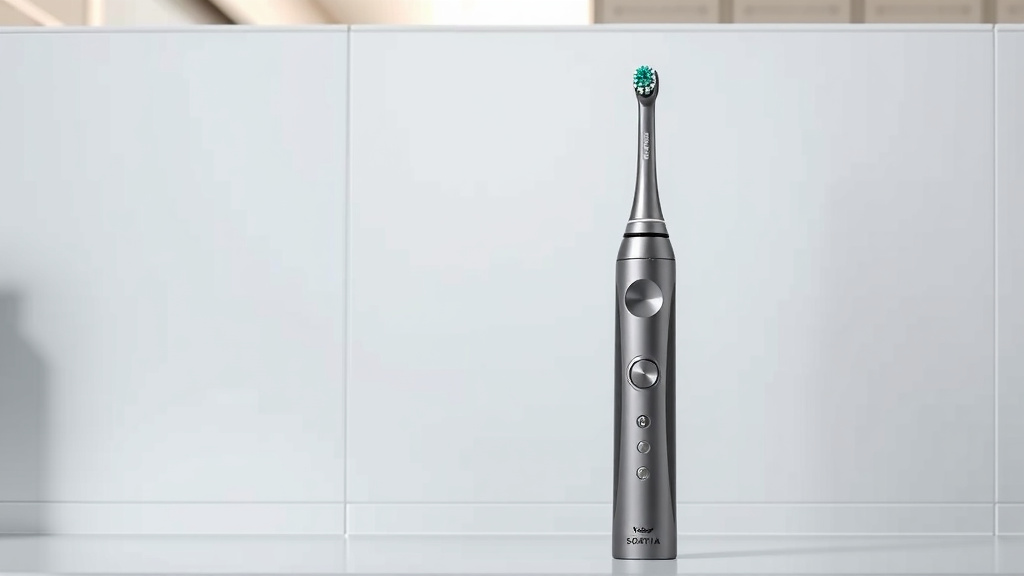
Sonic toothbrushes work by vibrating their brush heads at incredibly high speeds – often tens of thousands of movements per minute. This isn’t just about the bristles scrubbing; it’s about creating a dynamic cleaning action. The rapid vibrations create fluid dynamics that can help clean even beyond where the bristles physically touch.
Dynamic Cleaning Action Explained
Imagine shaking a towel to get dust off. Sonic toothbrushes do something similar with toothpaste and saliva. The high-speed vibrations agitate the fluids in your mouth. This agitation then helps to dislodge plaque and food particles from between your teeth and along the gumline. Many studies have shown this dynamic action is very effective (National Institutes of Health).
What This Means for Your Mouth
This high-frequency vibration is particularly good at breaking up plaque and bacteria. It can also help to gently polish your teeth. For some people, this feels less abrasive than the oscillating-rotating heads, offering a thorough clean that’s also very gentle on the gums. You might find your mouth feels exceptionally clean and smooth after using one.
Comparing the Two: Key Differences Summarized
Let’s put it all together. While both are electric, their cleaning methods are quite distinct. This comparison will help you see where each shines.
| Feature | Standard Electric Toothbrush (Oscillating-Rotating) | Sonic Toothbrush (High-Frequency Vibration) |
|---|---|---|
| Movement Type | Bristles oscillate, rotate, and sometimes pulsate. | Bristles vibrate at very high speeds (up to 60,000+ movements/min). |
| Cleaning Mechanism | Mechanical scrubbing action directly on teeth. | High-speed vibrations create fluid dynamics for cleaning. |
| Feel During Brushing | More of a scrubbing or buffing sensation. | A buzzing or tingling sensation. |
| Plaque Removal | Highly effective, proven by numerous studies. | Highly effective, with added benefits from fluid dynamics. |
| Gum Health | Generally improves gum health and reduces gingivitis. | Often considered very gentle on gums while still effective. |
Which is Better for Plaque Removal?
Both types are significantly better than manual brushing for removing plaque. Research consistently shows that electric toothbrushes, in general, lead to **reduced plaque buildup** and improved gum health. Whether you choose a sonic or an oscillating-rotating model, you’re likely to see a big difference. Some studies suggest sonic brushes might have a slight edge in reaching harder-to-access areas due to their fluid action, but both are excellent choices (Cleveland Clinic).
What About Gum Sensitivity?
If you have sensitive gums, the gentleness of a sonic toothbrush might appeal to you. The vibrating action can feel less aggressive than the more direct scrubbing of some oscillating-rotating heads. However, many oscillating-rotating brushes also have sensitive modes. It really comes down to personal comfort. Many users with sensitive gums find sonic brushes to be a dream come true.
Making Your Choice: What Matters Most
Deciding between these two can feel like a big choice, but remember, you’re already choosing a winner over manual brushing! Here’s a quick checklist to help you think about what’s best for you:
- Your **gum sensitivity** level.
- Whether you prefer a **scrubbing or buzzing** sensation.
- Your **budget** – features can vary greatly.
- Any **specific dental recommendations** from your dentist.
- How **easy it is to use** for your daily routine.
- The **available brush head options** for your needs.
Ultimately, the best toothbrush is the one you’ll use consistently and correctly. Both sonic and standard electric toothbrushes offer superior cleaning power. Think about how each one feels and which one you’re most likely to reach for morning and night. Your smile will thank you!
Conclusion
You’ve learned that both sonic and standard electric toothbrushes offer a powerful upgrade from manual brushing. The core difference is how they clean: sonic brushes use high-speed vibrations and fluid dynamics, while traditional electric brushes rely on oscillating-rotating heads. Both excel at plaque removal and improving gum health.
Your personal preference for the brushing sensation and any gum sensitivity you have are the biggest deciding factors. Ultimately, the best choice is the toothbrush that encourages you to brush consistently and thoroughly every day. So, think about what feels best in your hand and in your mouth, and get ready for a cleaner smile!
Frequently Asked Questions
Are sonic toothbrushes really that much better than regular electric ones?
Research shows both types are highly effective at removing plaque compared to manual brushes. Sonic toothbrushes offer a unique dynamic cleaning action thanks to their high-speed vibrations, which can reach slightly further. However, many people find the oscillating-rotating motion of standard electric brushes perfectly sufficient and effective for their needs.
Can a sonic toothbrush help with gum sensitivity?
Yes, many users with sensitive gums find sonic toothbrushes to be gentler. The rapid vibrations can feel less aggressive than the scrubbing motion of some oscillating heads. This gentle yet effective cleaning action makes them a popular choice for those concerned about gum irritation.
Which type of electric toothbrush is best for whitening teeth?
Both sonic and oscillating-rotating electric toothbrushes can help whiten teeth by removing surface stains more effectively than manual brushing. Some sonic brushes may offer polishing modes that enhance this effect. Ultimately, consistent brushing technique and toothpaste choice play a large role in whitening results.
Do I need to use a special toothpaste with an electric or sonic toothbrush?
You can use your regular fluoride toothpaste with either type of electric toothbrush. Many brands offer specific toothpastes designed to complement the action of electric or sonic brushes, sometimes focusing on stain removal or gum health. However, standard toothpaste is perfectly fine for effective cleaning.
How often should I replace the brush head on my electric or sonic toothbrush?
Most manufacturers recommend replacing your brush head every three months. This is because the bristles can fray and become less effective over time. Worn bristles can also harbor more bacteria. Check your toothbrush’s manual for the exact recommendation from the brand you choose.