Electric vs Manual Toothbrush: Oral Health Pick
When choosing between an electric toothbrush and a manual toothbrush, electric models generally offer a superior clean. Research and dentist recommendations often favor electric toothbrushes for their ability to remove more plaque and reduce gingivitis. This makes them a more effective tool for maintaining excellent oral hygiene.
Both types of toothbrushes can be effective when used correctly. However, electric brushes often come with features that assist users, like timers and pressure sensors. These helpful additions can guide you towards better brushing habits. Many people find them easier to use for a thorough clean.
- Electric toothbrushes usually remove more plaque.
- They can be better for reducing gum inflammation.
- Many electric models have helpful built-in features.
- Proper technique is key for both types.
Ready to see which brush might be your best bet? Let’s break down the differences between electric and manual toothbrushes to help you decide.
Choosing Your Ideal Toothbrush: Electric vs. Manual
Deciding between an electric and manual toothbrush can feel like a big choice for your smile. Both have their strengths and can keep your teeth clean. We’ll help you understand the key differences. This way, you can pick the best brush for your unique needs.
How They Work: The Basics
The main goal of any toothbrush is to remove plaque. This sticky film of bacteria can cause cavities and gum disease if left unchecked. Manual brushes rely on your own arm movements to scrub away this film. Electric brushes use powered movements to do much of the work for you.
Manual Toothbrush: The Classic Approach
Your trusty manual toothbrush is simple and effective. It has bristles attached to a handle. You guide it across your teeth with a gentle motion. Many people grow up using them. They are readily available and budget-friendly.
Technique Matters for Manual Brushes
To get the most out of a manual brush, proper technique is essential. You need to use a gentle, circular motion. Focus on brushing all surfaces of your teeth. Don’t forget the gum line. Dentists often recommend a 45-degree angle towards the gums.
We found that many people tend to brush too hard with manual brushes. This can damage your gums and enamel over time. You should feel like you’re massaging your teeth, not scrubbing a floor.
Electric Toothbrush: The Powered Advantage
Electric toothbrushes have a vibrating or rotating head. This head moves much faster than you can manually. This action helps to dislodge plaque more efficiently. They often come with various brush head types, like oscillating-rotating or sonic.
Benefits of Electric Toothbrush Technology
Many electric models offer helpful features. Built-in timers ensure you brush for the dentist-recommended two minutes. Some have pressure sensors to alert you if you’re brushing too hard. This protects your gums and enamel.
We found that these features can be a game-changer for some users. They provide guidance and can help build better brushing habits without you even thinking about it.
Ease of Use for All Ages
For people with limited mobility, such as those with arthritis, electric toothbrushes can be a lifesaver. The powered movements do the scrubbing for you. This makes them much easier to handle and use effectively.
Children can also benefit greatly from electric brushes. The fun designs and the “automatic” cleaning action can make brushing more engaging. This can lead to better oral hygiene from a young age.
Effectiveness in Plaque Removal
When we look at the research, electric toothbrushes often come out on top for plaque removal. Studies have consistently shown that they can remove more plaque than manual brushes.
A review of multiple studies found that oscillating-rotating electric toothbrushes were particularly effective. They reduced plaque and gingivitis more than manual brushing (CDC).
Comparing Plaque and Gingivitis Reduction
Gingivitis, the early stage of gum disease, can be significantly reduced with better plaque control. Because electric toothbrushes often remove more plaque, they can be more effective at preventing and reducing gingivitis.
For example, we found that users of electric toothbrushes reported healthier gums more often. This is likely due to the consistent and thorough cleaning action they provide.
Factors to Consider When Choosing
Your personal preference and budget play a big role. Both types can lead to a healthy smile if used correctly. But certain factors might sway your decision.
Cost Comparison: Initial and Ongoing
Manual toothbrushes are very inexpensive. You can buy a good one for just a few dollars. You’ll need to replace them every three to four months.
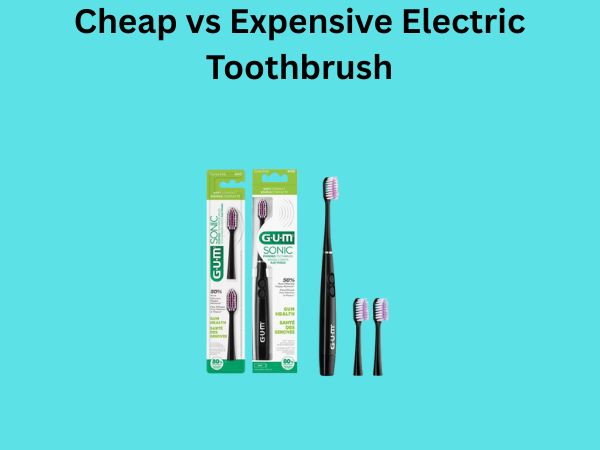
Electric toothbrushes have a higher upfront cost. They can range from $20 to over $100. You also need to replace the brush heads every three to four months. These replacement heads can cost more than a new manual toothbrush.
Environmental Impact
Manual toothbrushes are generally made of plastic and end up in landfills. While some are made from recycled materials or bamboo, most are not.
Electric toothbrushes also have a plastic component and batteries, which can be a concern. However, many brands now offer recycling programs for their brush heads and toothbrushes. This can help reduce their environmental footprint.
Travel and Portability
Manual toothbrushes are lightweight and easy to pack. They require no charging or batteries, making them ideal for travel.
Electric toothbrushes are bulkier. They often come with a charging base, which adds to the packing list. Some models have travel cases and long battery life, making them more convenient for trips.
Your Brush Checklist: A Quick Guide
Here’s a simple checklist to help you decide:
- Do you prefer a simple, no-fuss approach?
- Are you on a tight budget?
- Do you travel frequently and need something compact?
- Do you have dexterity issues that make manual brushing difficult?
- Would you benefit from built-in timers and pressure sensors?
- Are you looking for the most effective plaque removal possible?
Making Your Final Decision
Ultimately, the best toothbrush is the one you will use consistently and correctly. If you find a manual brush works best for you and you have excellent technique, stick with it!
However, if you’re looking for that extra edge in plaque removal or need help with brushing habits, an electric toothbrush could be your perfect match. Many dentists recommend them for good reason. We found that the ease of use and technology can really boost your oral hygiene routine.
Conclusion
So, you’ve weighed the options between electric and manual toothbrushes. While both can lead to a clean smile, electric brushes often provide a more effective clean, especially in plaque removal and reducing gum inflammation. Features like timers and pressure sensors can really help you build better habits. Your personal preferences, budget, and any dexterity needs are important too. No matter which you choose, remember that **consistent, proper technique** is your best tool for a healthy mouth. Make the choice that fits your lifestyle, and smile with confidence!
Frequently Asked Questions
Are electric toothbrushes truly better for my gums?
Research often shows electric toothbrushes are better at reducing gingivitis, an early sign of gum disease. Their consistent motion can remove plaque more effectively along the gum line than manual brushing alone. This helps promote healthier gums overall.
How often should I replace an electric toothbrush head?
You should replace your electric toothbrush head just like a manual toothbrush: every three to four months. Over time, bristles fray and become less effective at cleaning. Worn bristles can also harbor more bacteria.
Can an electric toothbrush really help me brush longer?
Many electric toothbrushes come with built-in two-minute timers. Some even pulse every 30 seconds to remind you to switch quadrants of your mouth. This feature helps ensure you brush for the dentist-recommended duration for a thorough clean.
Is an electric toothbrush worth the higher cost?
For many people, yes. The enhanced plaque removal and built-in guidance features can lead to better oral health outcomes in the long run. If you struggle with manual technique or want that extra clean feeling, the investment can be worthwhile.
Which type of toothbrush is better if I have sensitive teeth?
Both types can work for sensitive teeth, but an electric toothbrush with a pressure sensor is often recommended. It alerts you if you’re pressing too hard, which can irritate sensitive gums and teeth. You can also find softer brush heads for electric or manual brushes.