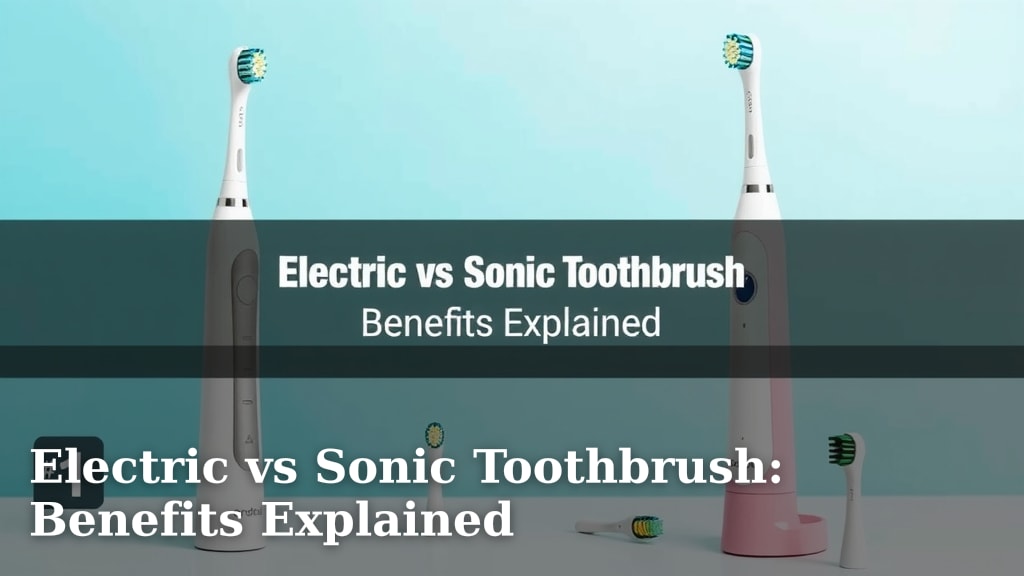
Electric vs Sonic Toothbrush: Benefits Explained
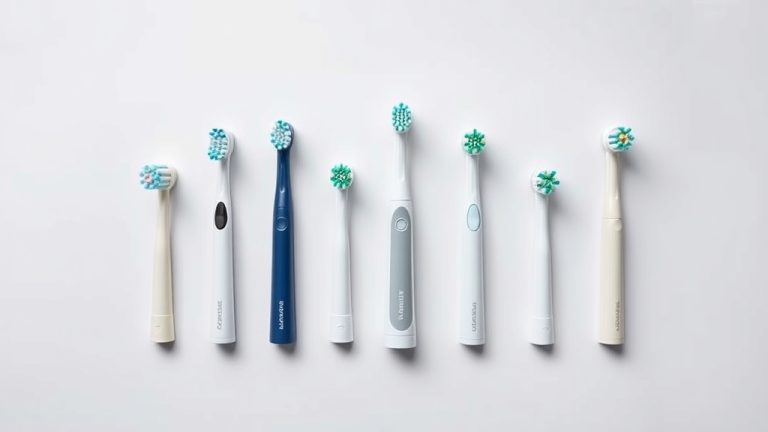
When choosing between an electric and a sonic toothbrush, sonic toothbrushes generally offer a gentler yet highly effective clean. Both types are a big step up from manual brushing. Many dentists agree that an electric toothbrush can lead to cleaner teeth and healthier gums. Your choice depends on your personal preferences and dental needs.
Understanding the differences can help you make the best choice for your smile. Sonic technology uses vibrations to clean, which can be especially good for sensitive gums. Electric toothbrushes, on the other hand, often use rotating or oscillating heads to scrub away plaque. We found that both methods are superior to manual brushing for plaque removal. Many people wonder which is truly better for their oral hygiene.
TL;DR:
- Sonic toothbrushes vibrate for a gentle clean.
- Electric toothbrushes use oscillating or rotating heads.
- Both are better than manual brushing for plaque.
- Your choice depends on gum sensitivity and preference.
Let’s break down the benefits of each type so you can pick the perfect brush for your pearly whites!
Conclusion
You’ve learned that both electric and sonic toothbrushes offer clear advantages over manual brushing. Sonic models provide a vibration-based clean that’s often gentler on your gums. Traditional electric brushes typically use rotating or oscillating heads for effective plaque removal. Ultimately, the best brush for you depends on what feels most comfortable and meets your specific oral health needs. To make your final decision, consider trying out a model from each category or discussing your options with your dentist. Taking this step ensures you’ll achieve a cleaner, healthier smile.
Frequently Asked Questions
Are sonic toothbrushes really better for sensitive gums?
Yes, research and user feedback suggest sonic toothbrushes can be gentler. Their high-speed vibrations create fluid dynamics that help clean even slightly beyond where the bristles touch. This often leads to a less abrasive experience compared to some oscillating heads.
How often should I replace the brush heads?
It’s generally recommended to replace your electric or sonic toothbrush head every three to four months. This ensures optimal cleaning performance and hygiene. You’ll know it’s time when the bristles start to fray or look worn out.
Can electric toothbrushes replace professional dental cleanings?
No, neither electric nor sonic toothbrushes can replace professional dental cleanings. While they significantly improve daily plaque removal, dentists can reach areas you might miss. Professional cleanings also address tartar buildup and allow for early detection of oral health issues.
Which type of electric toothbrush is best for whitening teeth?
Many electric and sonic toothbrushes come with specific modes designed to help whiten teeth. Some models have polishing cups or unique bristle patterns aimed at surface stain removal. Check product descriptions for features like “whitening mode” or polishing actions.
Is a more expensive electric toothbrush always better?
Not necessarily. While higher-end models often have more features like multiple brushing modes, pressure sensors, and Bluetooth connectivity, a basic electric or sonic toothbrush can still provide an excellent clean. Your personal preference for feel and function is often more important than the price tag.