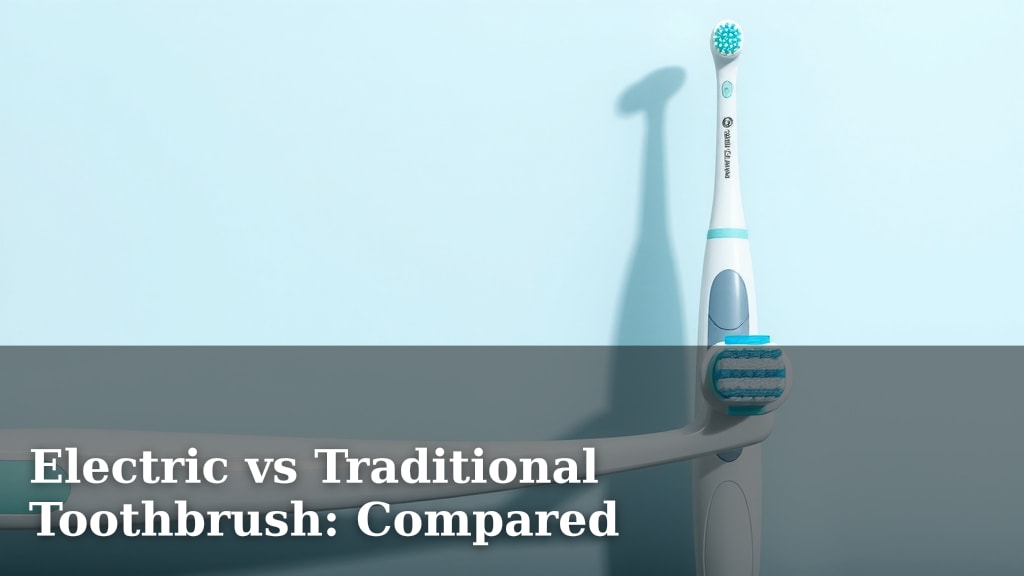
Electric vs Traditional Toothbrush: Compared
When comparing an electric vs. traditional toothbrush, **electric toothbrushes generally provide a more thorough clean** and are often recommended by dentists. They can be especially beneficial for people with limited dexterity or those who struggle with proper brushing technique. While a traditional toothbrush can be effective, it requires more manual effort to achieve optimal results. So, if you’re looking for **easier plaque removal**, an electric model might be your best bet.
Choosing the right toothbrush impacts your oral hygiene significantly. Both types have their pros and cons, and the **best toothbrush for you** depends on your personal needs and preferences. We’ve looked into what makes each type tick to help you make an informed decision about your smile’s future. Understanding the **key differences** can save you time and potentially dental bills down the line.
- Electric toothbrushes often remove more plaque.
- They can be easier to use for some people.
- Traditional brushes are simpler and cheaper initially.
- Your personal preference and dexterity matter most.
- Both can be effective with proper technique.
Let’s break down the pros and cons of electric versus traditional toothbrushes so you can decide which one is right for your daily routine.
Understanding Your Brushing Options: Electric vs. Manual
When it comes to keeping your smile bright and healthy, you have two main choices: the trusty manual toothbrush or the more modern electric version. Both can get the job done. But they do it in different ways. We’ve found that understanding these differences can really help you pick the right tool for your daily routine. So, let’s dive into what makes each one tick.
The Case for the Electric Toothbrush
Electric toothbrushes have been around for a while. They’ve evolved a lot since their early days. Many dentists now recommend them. We found that they often do a superior job of removing plaque. This is thanks to their power and oscillating or sonic movements.
How Electric Brushes Work Their Magic
Think of an electric toothbrush as having a tiny cleaning crew built-in. The brush head moves thousands of times per minute. This can be through oscillating-rotating or sonic vibrations. These rapid movements do much of the work for you. You just guide the brush along your teeth. This can lead to a more consistent and thorough clean.
Plaque Removal Power
Studies have shown that electric toothbrushes can be more effective at removing plaque. For example, a review of studies found that oscillating-rotating brushes were better at reducing plaque and gingivitis than manual brushes (Cochrane Database of Systematic Reviews). This can be a big deal for preventing cavities and gum disease. Your gums will thank you for the extra care.
Benefits for Specific Needs
If you have conditions like arthritis or carpal tunnel syndrome, an electric brush can be a lifesaver. It requires less manual dexterity. You don’t need to make those back-and-forth motions yourself. We found that people with these conditions often report a much easier and more comfortable brushing experience. It’s about making oral care accessible for everyone.
Types of Electric Toothbrushes
There are two main types of electric toothbrushes you’ll see:
- Oscillating-Rotating: These heads spin back and forth and often pulsate. Think of a tiny, powerful windshield wiper action.
- Sonic: These brushes vibrate at very high speeds. They create fluid dynamics that help clean beyond where the bristles touch.
Both types are generally effective. The best one for you might come down to personal preference.
The Enduring Appeal of the Traditional Toothbrush
Don’t count out the classic manual toothbrush just yet! It’s been around for centuries for a reason. When used correctly, it can absolutely keep your teeth clean and your mouth healthy. It’s simple, affordable, and readily available everywhere.
Simplicity and Control
The beauty of a manual toothbrush is its simplicity. There are no batteries to charge or cords to manage. You have complete control over the pressure and motion. This can be a good thing if you’re very mindful of your technique. You are the conductor of your own dental orchestra.
Cost-Effectiveness
Let’s talk money. Manual toothbrushes are significantly cheaper upfront. You can pick one up for a dollar or two. Even high-quality manual brushes are usually under $10. Electric toothbrushes, on the other hand, can cost anywhere from $20 to over $200. Plus, you have the ongoing cost of replacement brush heads for electric models.
Accessibility and Portability
You can find a manual toothbrush in almost any store. They are perfect for travel. No need to worry about chargers or power outlets. Just grab it and go. This makes them incredibly convenient for everyday life and for trips on the go.
Making Your Choice: What Works for You?
So, which one should you choose? It really boils down to your personal situation and preferences. We found that there isn’t a single “best” answer for everyone. It’s a bit like choosing between a fancy coffee maker and a simple pour-over. Both make coffee, but the experience and results can differ.
Key Comparison Points
Let’s look at a quick comparison to help you weigh the options:
| Feature | Electric Toothbrush | Manual Toothbrush |
|---|---|---|
| Plaque Removal | Often more effective, especially for some users. | Effective with proper technique. |
| Ease of Use | Requires less manual effort, good for dexterity issues. | Requires good manual technique and effort. |
| Cost (Initial) | Higher ($20 – $200+). | Lower ($1 – $10). |
| Cost (Ongoing) | Replacement brush heads ($5 – $15 each). | Replacement brush (every 3-4 months). |
| Features | Timers, pressure sensors, multiple modes, app connectivity. | Basic cleaning tool. |
| Portability | Can be bulkier, needs charging. | Very portable, no power needed. |
Your Personal Brushing Checklist
Ask yourself these questions to guide your decision:
- Do I struggle with plaque buildup?
- Do I have any physical limitations affecting my brushing?
- What is my budget for dental care tools?
- Do I prefer a simpler or a more tech-filled approach?
- Am I confident in my manual brushing technique?
- Do I travel frequently?
The answers will point you towards the right toothbrush for your unique needs. Ultimately, consistent and proper brushing is the most important factor for good oral health. Whether you choose electric or manual, make sure you’re dedicating enough time and using the right technique.
Conclusion
Choosing between an electric and a traditional toothbrush really comes down to your personal needs and preferences. While electric models often win for plaque removal and ease of use, especially for those with dexterity issues, a manual brush can be perfectly effective with the right technique. We’ve seen that both have their own advantages regarding cost and portability. Your best bet is to consider your budget, any physical limitations you might have, and how confident you are in your brushing skills. Whichever you choose, consistent, thorough brushing for two minutes, twice a day, is the golden rule for a healthy smile.
Frequently Asked Questions
Are electric toothbrushes really better than manual ones?
Research suggests that electric toothbrushes, particularly oscillating-rotating models, tend to remove more plaque and reduce gingivitis better than manual brushes. They can also make brushing easier for people who struggle with technique or have limited mobility, leading to a more consistent clean.
Can a manual toothbrush still give you a good clean?
Absolutely! A manual toothbrush can be just as effective as an electric one if you use it correctly. Proper technique, including the right angle, pressure, and motion, is key to removing plaque and keeping your gums healthy with a traditional brush.
Which type of toothbrush is better for sensitive gums?
For sensitive gums, both types can work, but an electric toothbrush with a pressure sensor can be beneficial. This feature alerts you if you’re brushing too hard, which is a common cause of gum irritation. You can also find soft-bristled manual toothbrushes designed for sensitivity.
How often should I replace my toothbrush head or manual brush?
For both electric and manual toothbrushes, it’s generally recommended to replace them every three to four months, or sooner if the bristles become frayed. Worn-out bristles are less effective at cleaning your teeth and can even damage your gums.
Is it worth the extra cost to buy an electric toothbrush?
Whether the higher cost of an electric toothbrush is “worth it” depends on your situation. If you struggle with plaque buildup, have dexterity issues, or simply want to ensure you’re getting the most effective clean with less effort, an electric brush could be a worthwhile investment for your oral health.