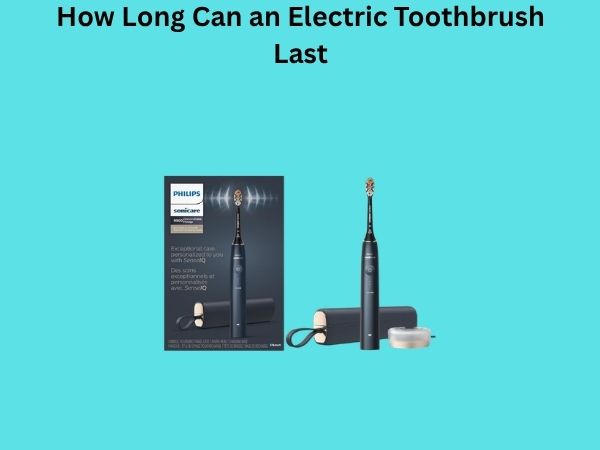
Built to Last? How Long Can an Electric Toothbrush Last
Ever wondered why your electric toothbrush seems to give up the ghost just when you’ve gotten comfortable with it? You’re not alone. Many of us invest in these fancy oral care gadgets expecting them to be workhorses that’ll stick around for years, only to find ourselves shopping for replacements sooner than anticipated. But here’s the thing—understanding how long an electric toothbrush can actually last depends on several factors that most people never even consider.
Let me be honest with you: the lifespan of an electric toothbrush isn’t straightforward. It’s not like your old manual toothbrush that could theoretically last forever (though your dentist would probably cringe at that thought). Electric toothbrushes are more complex machines with batteries, motors, and electronics that all work together. When one component fails, the whole device might become unusable. So let’s dive deep into what really determines how long these devices stick around and what you can do to maximize their life.
Understanding Electric Toothbrush Lifespan Expectations
When manufacturers talk about how long an electric toothbrush lasts, they’re usually referring to somewhere between three to five years. Sounds reasonable, right? But that’s just the average. Some people get ten years out of their devices, while others find theirs conking out after just a couple of years. What’s the difference?
Think of an electric toothbrush like a car. You can buy the same model as your neighbor, but depending on how you use it, maintain it, and the luck of the draw with manufacturing quality, your experiences could be entirely different. Your toothbrush might be a reliable Honda that keeps running, or it might develop issues prematurely. The battery technology, build quality, and how you treat your device all play crucial roles in determining its actual lifespan.
The Role of Battery Technology in Durability
Here’s where things get interesting. The battery is essentially the heart of your electric toothbrush. Most modern electric toothbrushes use rechargeable lithium-ion batteries, which are pretty impressive pieces of technology. These batteries can typically handle somewhere between 300 to 500 full charge cycles before they start losing their ability to hold a charge effectively.
What Does a Charge Cycle Actually Mean?
A charge cycle isn’t just one full charge. It’s when you use up 100 percent of your battery’s capacity, whether that happens over one day or spread across several days. So if you’re the type who charges your toothbrush every day, you’re using one cycle per day. Do the math—at 400 cycles, that’s roughly 400 days or about 13 months before you might notice the battery doesn’t hold its charge quite as well.
But here’s the kicker: just because your battery isn’t performing at its peak doesn’t mean your toothbrush is dead. Many people happily continue using their toothbrushes even when they need to be charged more frequently. It’s only when the battery completely fails or the toothbrush won’t charge at all that most folks decide it’s time for a replacement.
Lithium-Ion Battery Degradation Over Time
Lithium-ion batteries are like marathon runners—they start strong but gradually slow down. With each charge, the battery’s capacity diminishes incrementally. After about two years of daily use, you might notice your toothbrush doesn’t run quite as long on a single charge. After three years, you might be charging it every other day instead of every three days.
The environment matters too. Batteries hate extremes. If you leave your toothbrush in a hot bathroom or expose it to freezing temperatures, you’re accelerating the degradation process. It’s like asking someone to run a marathon in extreme heat—they’ll tire out faster. Similarly, keeping your toothbrush in a moderate, cool environment helps preserve battery life.
Motor Longevity and Mechanical Components
Beyond the battery, the motor is what actually makes your toothbrush work. These motors are pretty sturdy pieces of engineering, typically designed to vibrate thousands of times per minute. A quality motor can last many years, sometimes even outlasting the battery itself.
The motor’s lifespan depends heavily on the quality of the toothbrush. Budget-friendly models might use less robust motors that can wear out faster, while premium brands often invest in superior motor technology that maintains consistent performance over many years. It’s similar to the difference between a basic blender and a high-end one—both blend smoothies, but one might give up after a year while the other keeps going strong for a decade.
Wear and Tear on Internal Components
Over time, the internal gears, bearings, and electrical connections inside your toothbrush experience wear and tear. This is completely normal and inevitable. However, the rate at which this happens varies tremendously depending on usage patterns and manufacturing quality. Someone who brushes gently twice daily will have less wear on their motor than someone who brushes aggressively for longer periods.
Additionally, if you’re someone who drops your toothbrush frequently or exposes it to water in ways it wasn’t designed to handle, you’re putting extra stress on these delicate internal components. Think of it this way: would you expect a smartphone to last as long if you’re constantly dropping it versus someone who’s careful with theirs? The same principle applies to electric toothbrushes.
Waterproofing and Water Damage Concerns
Most electric toothbrushes are water-resistant to some degree, but there’s a critical distinction here that many people misunderstand. Water-resistant doesn’t mean waterproof. You can run it under water for rinsing, but submerging it or exposing it to high-pressure water streams is asking for trouble.
How Water Damage Shortens Your Toothbrush Life
Water that seeps into the charging contacts or internal circuitry can cause corrosion and electrical shorts. Once that happens, your toothbrush is likely finished. I’ve known people who thought their toothbrush was waterproof because the manufacturer said “water-resistant” and they threw it in the shower, only to find it stopped working within weeks. The seals that protect the interior can degrade, especially if they’re exposed to excessive moisture consistently.
To extend your toothbrush’s life, rinse it briefly under running water if needed, but avoid submerging it or spraying it with high-pressure water. Let it air dry naturally, and store it in a relatively dry location. This simple practice can add years to your toothbrush’s lifespan.
Impact of Usage Patterns on Longevity
How you use your electric toothbrush significantly affects how long it lasts. This is where you actually have some control over the equation.
Brushing Frequency and Duration
If you’re following dental recommendations, you should brush twice daily for two minutes each time. That’s four minutes of motor usage per day. Over a year, that adds up to roughly 1,460 minutes of operation. Some people brush more frequently or longer, which naturally puts more stress on the motor and drains the battery faster. It’s like how engines in cars that are driven more miles wear out faster—more usage equals more wear.
Brush Pressure and Technique
Here’s something dentists often mention: aggressive brushing doesn’t clean your teeth better; it just wears out your toothbrush faster. When you press hard against your teeth with an electric toothbrush, you’re increasing the resistance the motor encounters. This extra strain can reduce the motor’s lifespan and accelerate battery degradation. Using a gentle touch with an electric toothbrush is not only better for your gums—it’s better for your toothbrush too.
Charging Habits That Matter
How you charge your toothbrush actually impacts its longevity more than many people realize. Lithium-ion batteries have an optimal charging routine. The worst thing you can do is completely drain the battery regularly and then charge it to 100 percent. If you can, try to keep your toothbrush’s battery between 20 and 80 percent charged. This simple habit can extend your battery’s effective lifespan significantly.
Leaving your toothbrush plugged in constantly for months on end isn’t ideal either, as it can overcharge the battery. Most modern toothbrushes have smart charging systems that prevent overcharging, but it’s still better to unplug it once it’s fully charged.
Brand Quality and Manufacturing Differences
Not all electric toothbrushes are created equal. The brand you choose has a substantial impact on longevity. Premium brands like Sonicare, Oral-B, and others that have been in the market for decades typically use higher-quality components and more rigorous quality control processes.
Budget Versus Premium Models
Budget electric toothbrushes might seem like a smart financial choice upfront, but they often don’t last as long as premium options. It’s the classic “buy cheap, buy twice” scenario. A budget model might last two years before the motor deteriorates or the battery fails, while a premium model could last five to seven years or more. When you divide the total cost by the years of service, the premium option often comes out ahead financially.
Warranty and Manufacturer Support
Established brands typically offer better warranties, often covering two to three years of use. This warranty is backed by the manufacturer’s confidence in their product. If a brand expects their toothbrush to last at least as long as the warranty period, that’s a good indicator of durability. Conversely, budget brands with one-year warranties might be signaling they expect higher failure rates.
Replacement Head Versus Whole Unit Replacement
Here’s something that confuses many people: your electric toothbrush handle might last much longer than you think, but the brush head absolutely needs to be replaced. Manufacturers recommend replacing the brush head every three months, similar to manual toothbrushes.
Why Brush Head Replacement Is Different From Motor Failure
The brush head is a consumable item, not really part of the toothbrush’s “lifespan.” The bristles wear out, become frayed, and lose effectiveness. Continuing to use a worn brush head doesn’t damage the motor; you’re just not getting effective cleaning. So when someone says their electric toothbrush “lasted five years,” they might mean the motor and electronics lasted that long, while they replaced the head every three months during that entire period.
Interestingly, this distinction is important for your wallet. A toothbrush handle that lasts five years with periodic head replacements is genuinely impressive and cost-effective. You’re not replacing the expensive motor and battery components repeatedly.
Common Failure Points and What Causes Them
Understanding what typically goes wrong with electric toothbrushes can help you avoid these issues.
Battery Not Holding Charge
This is the most common failure point. After several years of use, the battery simply can’t hold the charge it once did. Unfortunately, replacing the battery in most electric toothbrushes requires sending it to the manufacturer or disassembling it yourself, which often isn’t practical. This is why many people replace the entire unit when the battery fails.
Motor Stopping or Becoming Inconsistent
Sometimes the motor starts acting erratic—vibrating inconsistently, starting and stopping randomly, or losing power entirely. This usually indicates internal wear or electrical connection issues. Once the motor starts failing, it’s typically not economical to repair, so replacement becomes the logical choice.
Charging Issues
The charging contacts can corrode or the charging circuitry can fail, preventing the toothbrush from charging at all. This might be due to water damage, corrosion from moisture exposure, or simply age-related wear. If your toothbrush won’t charge after years of faithful service, it’s probably time to say goodbye.
Maximizing Your Electric Toothbrush Lifespan
Now that you understand what affects longevity, let’s talk about what you can do to extend it.
Proper Storage and Environmental Conditions
Store your toothbrush in a cool, dry place. Avoid leaving it in a steamy bathroom where moisture is constantly present. If your bathroom tends to be humid, consider storing your toothbrush elsewhere and bringing it in just for use. Keep it away from direct sunlight and extreme temperature fluctuations.
Gentle Daily Maintenance
Rinse your toothbrush under running water briefly, but don’t soak it. Pat it dry with a soft cloth after use. Avoid spraying it with high-pressure water or submerging it. These simple cleaning practices prevent moisture infiltration while keeping it hygienic.
Smart Charging Practices
Don’t let your toothbrush completely drain regularly, and don’t leave it plugged in for extended periods. Unplug it once it’s fully charged. Some people use a timer reminder to charge their toothbrush every few days rather than waiting until the battery is depleted.
Invest in Quality Upfront
Spending extra money on a reputable brand with a good warranty is genuinely worthwhile. A toothbrush that lasts seven years is better value than one that lasts two years, even if the latter costs half as much.
When Should You Replace Your Electric Toothbrush?
There’s a difference between a toothbrush that’s struggling to perform and one that’s genuinely past its prime.
Replace your toothbrush if the battery no longer holds a charge long enough for a single brushing session, if the motor has become too weak to effectively clean your teeth, or if it won’t charge at all. Don’t wait for complete failure—if your toothbrush is giving up mid-brushing, that’s your signal that replacement time is near.
However, if your toothbrush is still functioning normally but you want an upgrade, that’s a personal preference. Just because technology has advanced doesn’t mean your older model has suddenly become defective.
Signs Your Electric Toothbrush Is Nearing the End
Watch for these warning signs that your toothbrush’s life is running out. The battery needs charging much more frequently than it used to. The motor feels weaker or less consistent than before. There’s any indication of water damage or corrosion on the charging contacts. The handle develops cracks or separations that might allow water inside. If you’re noticing any of these, start thinking about replacement options because your toothbrush’s days are numbered.
Conclusion
So, how long can an electric toothbrush actually last? The realistic answer is between three to seven years, with well-maintained premium models potentially lasting even longer. The lifespan depends on a combination of factors: the quality of the battery technology, the robustness of the motor, the brand’s manufacturing standards, your daily usage patterns, and how carefully you maintain and store your device.
The battery is typically the limiting factor, degrading gradually over time until it no longer holds a useful charge. The motor might outlast the battery if treated gently and kept in good conditions. Water damage, aggressive brushing, and poor storage conditions can all cut years off your toothbrush’s expected lifespan.
By choosing a reputable brand, using proper charging practices, brushing gently, maintaining proper storage conditions, and keeping it away from excessive moisture, you can significantly extend your electric toothbrush’s life. While it’s not going to last forever like a manual toothbrush theoretically could, a quality electric toothbrush can provide many years of reliable, effective cleaning when treated with reasonable care. So invest wisely, treat your toothbrush well, and you might be pleasantly surprised by how long it sticks around.
Frequently Asked Questions
Can I replace the battery in my electric toothbrush to extend its life?
Technically, yes, but practically, it’s often not