Electric Toothbrush: Master Your Brushing Technique
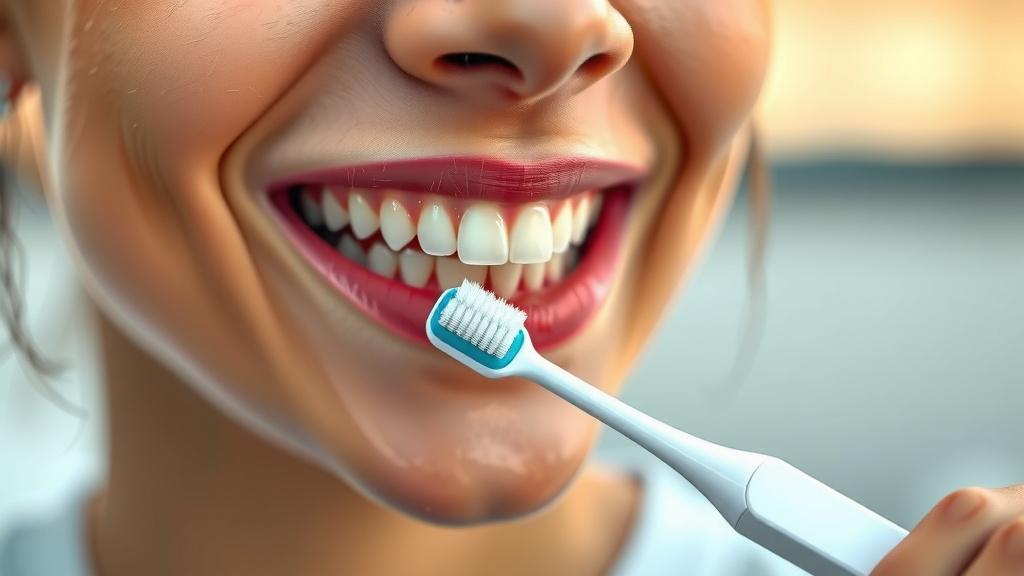
The easiest way to brush your teeth with an electric toothbrush is to let the brush do the work. You just need to guide it gently across all surfaces of your teeth. Many people wonder if they should scrub, but research and found that gentle guidance is key for effective cleaning with an electric toothbrush.
Using an electric toothbrush can feel different than a manual one. It’s designed to remove plaque more efficiently. You’ll want to make sure you cover every tooth surface. This simple technique helps you get that fresh-from-the-dentist feeling every day.
- Let the brush move.
- Focus on each tooth surface.
- Don’t scrub hard.
- Aim for a gentle sweep.
Ready to master your electric toothbrush? Let’s walk through exactly how to use it for the best results.
You’ve got the electric toothbrush, and you’re ready to experience a new level of clean. But how do you actually *use* it effectively? It’s less about scrubbing and more about a gentle, guided dance across your teeth. We’ll show you the best way to wield that buzzing brush for a brighter smile and healthier gums.
Mastering Your Electric Toothbrush Technique
Getting the most out of your electric toothbrush is surprisingly simple. The key is understanding its power and how to guide it. You don’t need to mimic the back-and-forth motion of a manual brush. Think of it as letting the toothbrush do the heavy lifting for you.
Getting Started: What You Need
Before you even turn it on, ensure you have the right setup. A charged toothbrush is, of course, essential. Having your favorite toothpaste ready is also a must. Some people prefer a pea-sized amount, while others use a bit more. Experiment to see what works best for you without excess foam.
The Gentle Approach: Why Less is More
Many new electric toothbrush users tend to scrub. They think more pressure equals more cleaning. However, research and found this isn’t true. Aggressive scrubbing can damage your gums and tooth enamel. It can actually be less effective at plaque removal. Your electric toothbrush is designed with oscillating or sonic vibrations to do the work.
Step-by-Step: Brushing Each Tooth Surface
This is where the magic happens. It’s all about covering every single surface of every tooth. We recommend dedicating about two minutes to brushing. Divide your mouth into quadrants: upper right, upper left, lower right, and lower left. Spend roughly 30 seconds on each quadrant. This ensures you don’t miss any spots.
The Outer Surfaces
Start with the outside of your teeth. Place the brush head against the tooth at a 45-degree angle towards the gum line. This angle helps get under the gum line, where plaque often hides. Let the toothbrush vibrate or oscillate for a few seconds on each tooth. Gently glide it to the next tooth. Don’t rush this step. Focus on one tooth at a time.
The Inner Surfaces
Next, move to the inside surfaces of your teeth. The technique is very similar. Angle the brush head towards the gum line at 45 degrees. Again, let the brush work its magic on each tooth. For the back surfaces of your front teeth (both top and bottom), you might need to tilt the brush vertically. This allows you to reach those tight spots.
The Chewing Surfaces
Finally, address the chewing surfaces. These are the tops of your molars and premolars. Simply place the brush head flat on these surfaces and let it clean. Spend a few seconds on each. This completes the main brushing cycle. You’ll feel the difference even after the first use.
Timing and Technique: A Quick Guide
Here’s a simple breakdown of the process:
- Charge it up: Make sure your toothbrush has enough battery power.
- Toothpaste: Use a pea-sized amount.
- Angle matters: Hold the brush at a 45-degree angle to your gums.
- Gentle guide: Let the brush do the moving. You just guide it.
- Two minutes: Aim for a total brushing time of two minutes.
- Cover all surfaces: Don’t forget the insides and chewing surfaces.
Common Mistakes to Avoid
It’s easy to fall into bad habits. One common mistake is applying too much pressure. This can feel like you’re scrubbing, but it’s harmful. Another is rushing through the brushing process. Think of it as a mini-massage for your teeth and gums. Lastly, don’t forget the gum line; it’s a prime spot for plaque buildup.
What About Different Brush Heads?
Electric toothbrushes come with various brush heads. Some are designed for sensitivity, others for whitening, and some for deep cleaning. While the technique remains largely the same, the brush head can enhance the experience. Check your toothbrush manual for recommendations on which head might be best for your needs.
Making It a Habit: Consistency is Key
Just like any good habit, brushing with an electric toothbrush becomes second nature with practice. Aim to brush twice a day. This consistency is vital for maintaining oral health. You’ll start to notice how much cleaner your teeth feel. It’s a satisfying part of your daily routine.
Many dental professionals recommend electric toothbrushes. They often find them more effective for plaque removal than manual brushes (American Dental Association). So, you’re making a great choice for your smile!
Conclusion
You’ve learned that mastering your electric toothbrush is about gentle guidance, not scrubbing. Letting the brush’s vibrations do the work is key. Remember to angle the brush towards your gum line and spend time on each tooth surface. Consistent, two-minute brushing twice a day will give you that dentist-clean feeling and boost your oral health. Now, put your new technique into practice and enjoy a brighter, healthier smile!
Frequently Asked Questions
How long should I brush my teeth with an electric toothbrush?
You should aim for a total brushing time of two minutes. Many electric toothbrushes have built-in timers that can help you keep track. This ensures you dedicate enough time to effectively clean all surfaces of your teeth.
Do I need to move the electric toothbrush on my teeth?
Yes, but gently. You only need to guide the electric toothbrush across each tooth surface. Think of it as a gentle sweep rather than scrubbing back and forth. Let the brush’s vibrations or oscillations do the cleaning action.
Can an electric toothbrush damage my gums?
An electric toothbrush can potentially damage your gums if you apply too much pressure. Research and found that gentle guidance is more effective and safer. Avoid scrubbing and let the brush head do the work on your teeth and gum line.
Should I use a special toothpaste with my electric toothbrush?
You can use your regular toothpaste with an electric toothbrush. Most people find a pea-sized amount is sufficient. Some toothpastes are formulated for whitening or sensitivity, which can enhance your electric toothbrush experience.
What if my electric toothbrush vibrates too much?
If your electric toothbrush feels too intense, check if it has different intensity settings. You can also try using a softer brush head designed for sensitive teeth. Applying less pressure as you guide the brush can also help reduce the sensation.