How to Clean Your Electric Toothbrush Body Safely
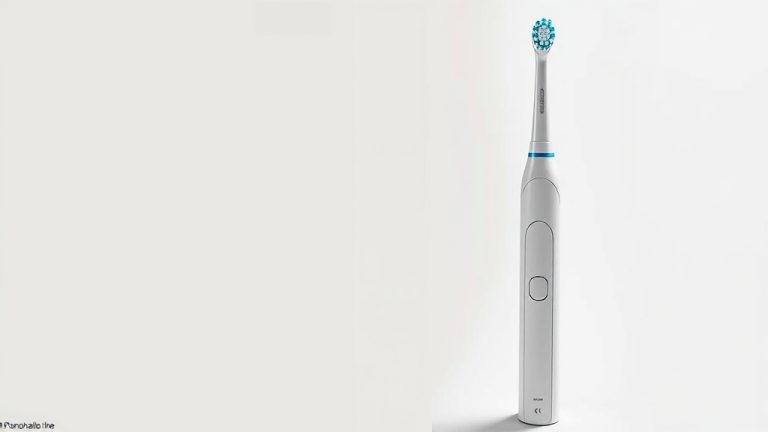
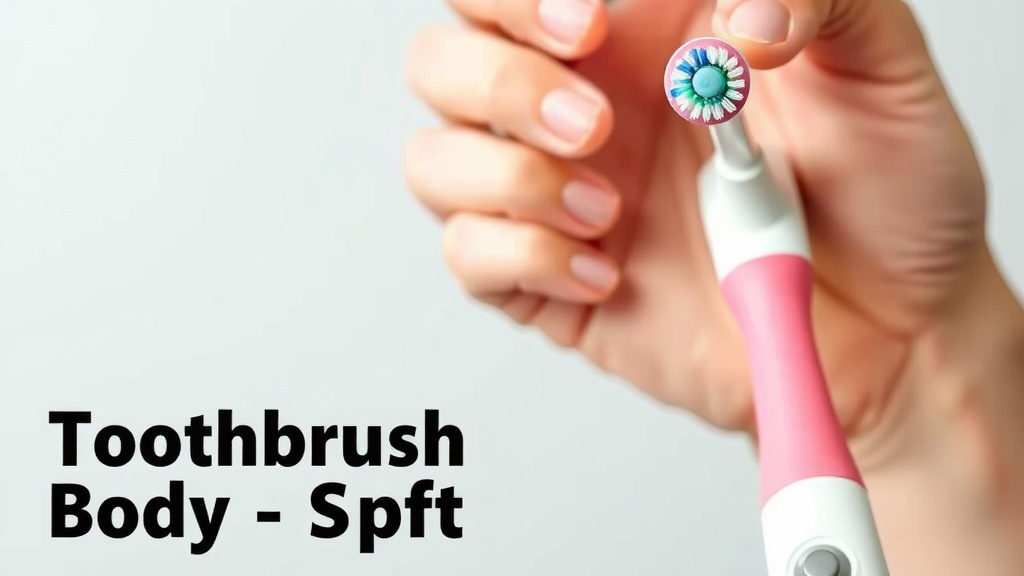
The easiest way to clean your electric toothbrush body is with a damp cloth and mild soap. You can also use a disinfecting wipe for a quick refresh. Regularly cleaning the handle keeps it hygienic and looking its best. It’s a simple step that makes a big difference.
Keeping your electric toothbrush clean extends its life and ensures optimal performance. Your toothbrush handle can accumulate toothpaste residue and bacteria over time. Many dentists recommend a quick daily wipe-down. This helps prevent buildup and keeps the device sanitary for your oral hygiene routine.
TL;DR:
- Use a damp cloth with mild soap for cleaning.
- Disinfecting wipes are good for quick sanitizing.
- Wipe down the handle daily after use.
- This prevents toothpaste buildup and bacteria.
- A clean toothbrush is more hygienic.
Ready to learn the best methods for keeping your electric toothbrush body sparkling? Let’s walk through exactly how to do it step by step.
Keeping Your Electric Toothbrush Handle Spotless
Your electric toothbrush handle is more than just a grip; it’s the central hub of your oral care. Keeping it clean is just as important as brushing your teeth. Over time, toothpaste residue and even airborne particles can land on it. This creates a breeding ground for bacteria. Regular cleaning prevents this buildup. It ensures your toothbrush remains hygienic for every use. Let’s dive into the best ways to keep that handle gleaming!
Daily Care: The Quick Wipe-Down Method
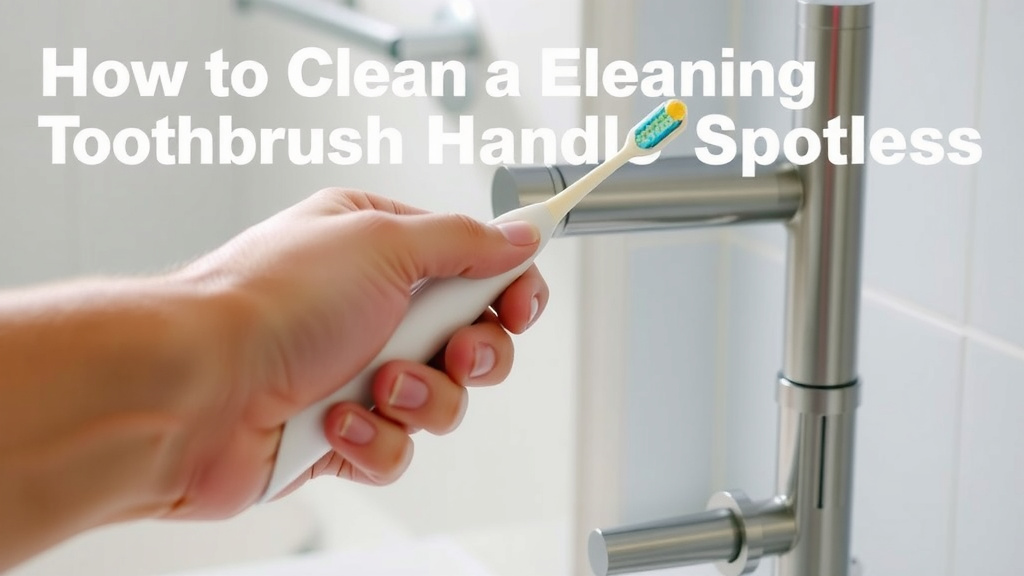
The simplest and most effective way to maintain your electric toothbrush handle is a quick daily wipe. This prevents toothpaste from drying and becoming tough to remove. It also helps keep the surface hygienic. Most dentists suggest this as a fundamental step.
After Each Brushing Session
As soon as you finish brushing, take a moment to rinse the brush head under running water. Then, grab a soft, damp cloth. Gently wipe down the entire handle. Pay attention to any areas where toothpaste might have splashed. This small habit makes a big difference over time. It stops grime from setting in. You wouldn’t leave your kitchen counter sticky, right? Treat your toothbrush handle with the same respect.
What Kind of Cloth Works Best?
A microfiber cloth is excellent for this. It’s soft and absorbent, so it won’t scratch the finish. You can also use a regular soft cotton cloth. The key is that it should be clean and slightly damp. Avoid using abrasive materials. They can damage the handle’s surface.
Deeper Cleaning: Tackling Tougher Grime
Sometimes, a simple wipe isn’t enough. Toothpaste can dry into a stubborn film, or your handle might feel a bit sticky. For these situations, you’ll need a little more cleaning power. But don’t worry, it’s still very easy.
Using Mild Soap and Water
For a more thorough clean, you can use a drop of mild dish soap or hand soap. Dampen your cloth with water, add a tiny amount of soap, and gently scrub the handle. Rinse the cloth thoroughly and wipe away any soap residue. Finally, dry the handle completely with a clean, dry cloth. This method is effective for removing sticky residue.
Getting Into Nooks and Crannies
Electric toothbrush handles often have buttons or grooves. These spots can trap debris. If a cloth isn’t reaching them, try using a soft-bristled brush. An old, clean toothbrush can work wonders here. Gently brush around buttons and seams with a little soapy water. Then, wipe the area clean. A soft-bristled brush can be useful for cleaning tight spots, and we review the best options for plaque removal.
The Power of Disinfecting Wipes
Disinfecting wipes offer a quick way to sanitize your toothbrush handle. Many experts say this is a good way to kill germs. Be sure to choose wipes that are safe for use on plastic surfaces. After using a wipe, you might want to give the handle a quick rinse or wipe with a damp cloth to remove any lingering chemicals. This is especially useful if you or someone in your household has been sick.
Are Disinfecting Wipes Safe for All Handles?
Most modern toothbrush handles are made from durable plastics that can handle disinfecting wipes. However, it’s always a good idea to check your toothbrush manufacturer’s instructions. Some may recommend against harsh chemicals. If in doubt, stick to mild soap and water.
What NOT To Do When Cleaning Your Toothbrush Handle
Just as important as knowing how to clean your toothbrush handle is knowing what to avoid. Certain cleaning methods can damage the device or make it less hygienic.
Harsh Chemicals and Abrasives
Avoid using harsh cleaners like bleach, ammonia, or abrasive powders. These can damage the plastic, leading to discoloration or weakening of the material. They can also leave behind residues that you don’t want in your mouth. Imagine scrubbing your favorite mug with steel wool – not a good idea!
Submerging the Handle
Never submerge the entire electric toothbrush handle in water. Most electric toothbrushes are water-resistant, not waterproof. Submerging them can allow water to seep into the motor or battery compartment. This can cause permanent damage and electrical hazards. Always make sure the charging port area is dry.
Storing Your Clean Toothbrush Properly
Once you’ve cleaned your toothbrush handle, proper storage is key to keeping it clean. Where you put it matters.
Allowing It to Air Dry
After cleaning, let your toothbrush handle air dry completely before storing it. Moisture can encourage bacterial growth. Storing a damp toothbrush is like putting wet laundry in a drawer – it’s not ideal.
The Best Storage Location
Store your toothbrush upright in a cup or holder. This allows air to circulate around it. Keep it away from the toilet. This might seem obvious, but during flushing, tiny particles can become airborne. We found that keeping it in a closed cabinet is also an option, but ensure it’s completely dry first. Avoid storing it in damp environments like shower caddies where it might not dry properly.
A Quick Checklist for a Sparkling Handle
Here’s a simple checklist to help you maintain your toothbrush handle:
- Wipe down the handle daily with a damp cloth.
- Use mild soap and water for tougher grime.
- Dry the handle thoroughly after cleaning.
- Avoid harsh chemicals and submerging the unit.
- Store your toothbrush upright to air dry.
- Check manufacturer instructions for specific care.
Conclusion
You’ve learned how simple it is to keep your electric toothbrush handle clean and hygienic. A daily wipe-down with a damp cloth is your best defense against grime. For tougher messes, mild soap and water or disinfecting wipes offer effective solutions. Just remember to avoid harsh chemicals and never submerge the handle. By following these easy steps, you’ll ensure your toothbrush lasts longer and remains a sanitary tool for your oral care routine. Start incorporating these practices today for a consistently clean brush!
Frequently Asked Questions
How often should I clean my electric toothbrush handle?
It’s best to give your electric toothbrush handle a quick wipe-down every day, right after you brush. This prevents toothpaste and other residue from drying and becoming difficult to remove. For a deeper clean, aim for at least once a week or whenever you notice buildup.
Can I use rubbing alcohol to clean my toothbrush?
While rubbing alcohol can disinfect, it’s generally not recommended for your toothbrush handle. Harsh chemicals like alcohol can potentially damage the plastic over time. Mild soap and water or manufacturer-approved disinfecting wipes are safer and just as effective for keeping your toothbrush clean.
What if toothpaste gets stuck in the crevices?
For those hard-to-reach spots, a soft-bristled brush works wonders. An old, clean toothbrush is perfect for gently dislodging toothpaste or debris from buttons and grooves. Follow up with a damp cloth to wipe away any loosened grime.
Is it okay to leave my electric toothbrush standing in its charger?
Yes, leaving your electric toothbrush in its charging base is generally fine, as long as the handle is completely dry before you place it there. Ensure good airflow around the toothbrush to prevent moisture from getting trapped, which could encourage bacterial growth.
How do I know if my toothbrush handle is damaged by cleaning?
Look for signs of discoloration, etching, or a sticky, degraded texture on the handle. If you notice any of these, it suggests the cleaning method or product you used might have been too harsh. Always refer to your toothbrush’s manual for recommended cleaning agents.