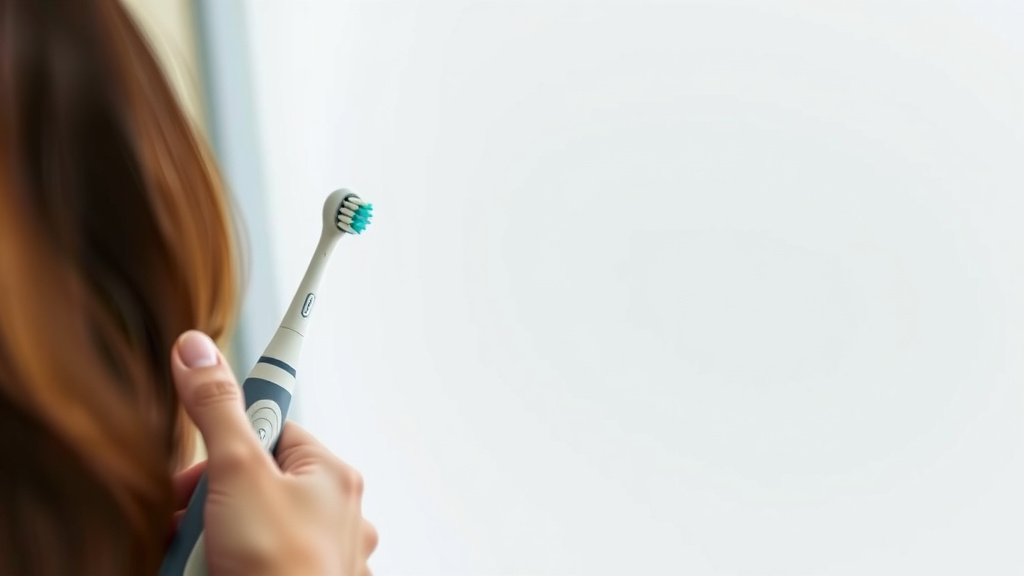
Electric Toothbrush Newbie Guide: Smooth Transition
Getting used to an electric toothbrush is usually pretty straightforward. Most people find it takes just a few days to a week to feel comfortable with the new sensation and learn the right technique. The key is to let the brush do the work and not scrub, which is a common habit from manual brushes. You’ll likely notice a cleaner feeling almost immediately!
Switching from a manual toothbrush to an electric one can feel a bit strange at first. The buzzing and vibrations are different, and you might wonder if you’re using it correctly. Many dental professionals agree that electric toothbrushes can be Many dental professionals agree that electric toothbrushes can be more effective at removing plaque, which is a key benefit to understand when switching.more effective at removing plaque. It’s less about your technique and more about letting the electric toothbrush handle the brushing motion for you. Think of it as a gentle hum that polishes your teeth.
- Let the toothbrush guide you; don’t scrub.
- Start with a low speed setting if available.
- Focus on one tooth at a time.
- Brush for the full two minutes.
Ready to make the switch? Below, we’ll walk you through some simple steps and tips to help you get comfortable with your new electric toothbrush in no time.
Making the Switch: Your Guide to Electric Toothbrush Comfort
Transitioning to an electric toothbrush is often easier than you might think. You might feel a little ticklish at first. That’s completely normal! Many people find they adjust within a couple of days. The key is to get a feel for how the brush moves. Let the vibrations do the work for you. You’ll likely be surprised at how quickly you get used to it.
Understanding Your New Electric Brush
Electric toothbrushes are designed to make brushing more effective. They offer thousands of brush strokes per minute. This is much more than you can achieve manually. Most models use oscillating-rotating or sonic technology. These actions help disrupt plaque and remove surface stains. The goal is a deeper clean feeling.
The Power of Vibration and Motion
The first thing you’ll notice is the humming. It’s a gentle vibration that cleans your teeth. Unlike a manual brush, you don’t need to scrub back and forth. Scrubbing can be too harsh for your gums. It can also wear down tooth enamel over time. Your electric toothbrush does the scrubbing motion for you. You just need to guide it.
Different Strokes for Different Folks: Types of Electric Brushes
There are two main types of electric toothbrushes. Understanding them can help you adapt. Oscillating-rotating brushes have a small, round head. It spins and pulsates. Sonic toothbrushes have brush heads that look more like manual ones. They vibrate at very high speeds. Both are highly effective. The feel is slightly different. Some people prefer one over the other. Research has shown both can significantly reduce plaque (CDC). There are two main types of electric toothbrushes, and understanding them can help you adapt to the new sensation.
Getting Started: Your First Few Brushes
Let’s walk through your first brushing session. It’s all about setting yourself up for success. Don’t be afraid to experiment a little. You’re learning a new skill.
The Right Amount of Toothpaste
You only need a pea-sized amount of toothpaste. Most electric toothbrush heads are smaller than manual ones. You don’t need a big dollop. Apply the toothpaste to the bristles before you turn the brush on. This prevents toothpaste from spraying everywhere. It’s a common beginner mistake!
Gentle Contact is Key
This is perhaps the most important tip. Hold the toothbrush head lightly against each tooth. Think of it like a gentle massage. Let the brush do the hard work. There’s no need to press down hard. Pressing too hard can damage your gums. It can also wear out the brush head faster. Many electric toothbrushes have a pressure sensor. It will alert you if you’re pressing too hard. This is a helpful feature for beginners.
Guiding the Brush: One Tooth at a Time
Instead of broad strokes, focus on one tooth at a time. Place the bristles on the gum line of a tooth. Hold it there for a few seconds. Then, move to the next tooth. Work your way around your mouth systematically. This ensures you clean every surface thoroughly. You can divide your mouth into quadrants: upper right, upper left, lower right, lower left. Spend 30 seconds on each quadrant.
Navigating Different Surfaces
Remember to cover all sides of your teeth. Pay attention to the outer surfaces, inner surfaces, and chewing surfaces. Gently angle the brush towards the gum line. This helps clean where plaque likes to hide. Many experts recommend spending extra time along the gum line (American Dental Association).
Getting Comfortable with the Sensation
The buzzing can feel a bit strange at first. If your brush has multiple modes, start with a gentle or low-speed setting. This can help you acclimate to the vibrations. Some people find it ticklish. If it tickles, try adjusting your grip. Holding the brush a bit firmer might help. You can also try closing your lips slightly around the brush. This contains the vibration more.

Building a Routine: Tips for Long-Term Success
Once you’ve gotten past the initial adjustment, focus on making it a habit. Consistent brushing is what matters most for oral health.
Timing Your Brushes
Most electric toothbrushes have a built-in two-minute timer. Many even pause briefly every 30 seconds. This signals you to move to a new quadrant of your mouth. Use this feature! It ensures you brush for the dentist-recommended amount of time. Brushing for less than two minutes won’t give your teeth a thorough clean.
The Checklist for a Great Brushing Experience
Here’s a quick checklist to help you along:
- Apply a pea-sized amount of toothpaste.
- Hold the brush lightly against each tooth.
- Let the brush do the movement; don’t scrub.
- Guide the brush to cover all surfaces.
- Spend two minutes brushing.
- Rinse your mouth and brush afterwards.
When to Replace Your Brush Head
Just like manual toothbrush heads, electric ones need replacing. Most manufacturers recommend changing them every three months. Some brush heads have indicator bristles that fade. This tells you when it’s time for a fresh one. A worn-out brush head won’t clean as effectively.
| Manual Brush Habits to Unlearn | Electric Brush Technique to Adopt |
|---|---|
| Scrubbing back and forth vigorously. | Guiding the brush gently from tooth to tooth. |
| Applying firm pressure to clean. | Letting the brush head make light contact. |
| Focusing on large areas at once. | Focusing on one tooth at a time. |
| Relying on your own motion. | Allowing the electric toothbrush to provide the motion. |
Remember, it’s a learning curve. If you miss a spot or feel a bit awkward, don’t worry. You’re doing a great job by trying something new. Your dentist is a fantastic resource too. They can offer personalized tips at your next check-up. You’ll be a pro in no time!
Conclusion
You’ve learned that switching to an electric toothbrush is a simple process. Most users adapt within a few days to a week. Remember to let the brush do the work and avoid scrubbing. Focusing on one tooth at a time and guiding the brush gently ensures a thorough clean. Embrace the new sensation; you’re on your way to a healthier smile. Your next step is to schedule your dental check-up and ask your dentist for personalized tips during your visit.
Frequently Asked Questions
Is an electric toothbrush harder to get used to than a manual one?
Not usually! While the vibration is different, most people find it’s an easy adjustment. You’ll likely feel a cleaner sensation from your first use. The learning curve is typically very short, often just a few days.
What if the vibration feels ticklish or weird?
That’s a common feeling at first. Try holding the brush a little more firmly or closing your lips slightly around the brush head. If your toothbrush has different modes, starting on a lower speed setting can also help you get accustomed to the sensation.
How do I know if I’m using the right pressure?
You should use very light pressure, just enough for the bristles to make contact with your teeth. Many electric toothbrushes have a built-in pressure sensor that will alert you if you’re pressing too hard. Think of it as a gentle massage for your teeth and gums.
Can I use my regular toothpaste with an electric toothbrush?
Yes, you can. You’ll likely need less toothpaste, about a pea-sized amount, as the brush head is often smaller. Applying the toothpaste before turning the brush on can prevent it from spraying everywhere.
How long should I brush with an electric toothbrush?
Dentists recommend brushing for at least two minutes. Many electric toothbrushes have built-in timers that signal you every 30 seconds to move to a different section of your mouth. Using this timer helps ensure you brush long enough for an effective clean.