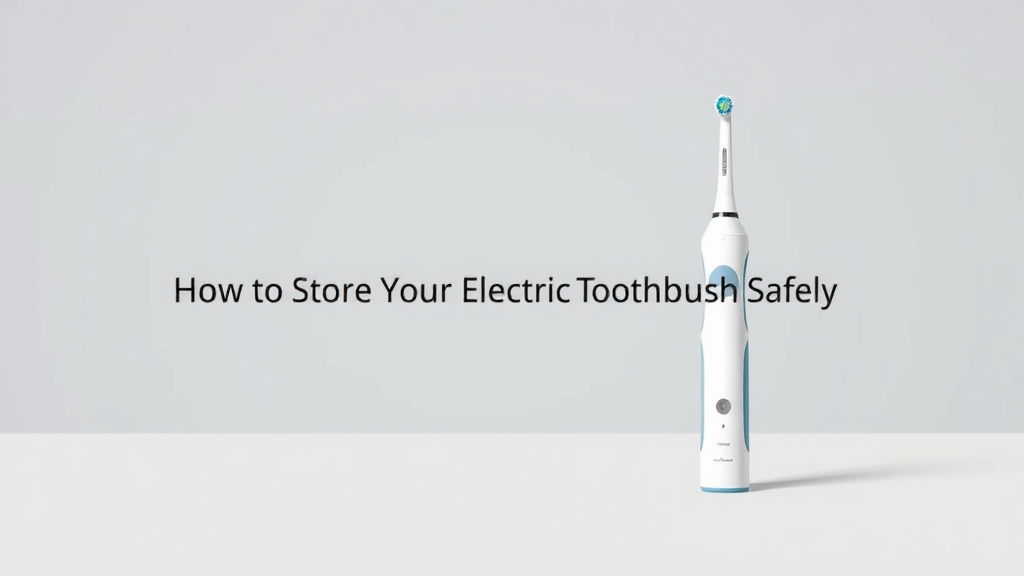
How to Store Your Electric Toothbrush Safely
Storing your electric toothbrush properly is surprisingly important for its longevity and your oral health. You should always aim to keep the handle dry and the brush head uncovered when not in use. This helps prevent bacteria growth and ensures your toothbrush is ready for your next brush.
Many people just toss their toothbrush anywhere. But research shows that proper storage can prevent damage to the delicate motor. It also helps ensure the brush head stays clean and effective for longer.
Here’s the lowdown on storing your electric toothbrush:
- Keep the handle dry.
- Let the brush head air dry.
- Avoid closed containers.
- Store upright if possible.
Let’s walk through exactly how to store your electric toothbrush so it lasts and keeps your smile bright.
Keeping Your Electric Toothbrush Handle in Top Shape
You just spent good money on a fancy electric toothbrush. You want it to last, right? Proper storage is your secret weapon. We found that keeping the handle dry is the number one rule. Moisture is the enemy here. It can lead to mold, mildew, and even damage to the internal electronics over time.
Think of the handle like the motor of a tiny, personal car. You wouldn’t leave a car out in the rain all the time without drying it off, would you? Your toothbrush motor deserves the same respect. Residual water can seep into charging ports or battery compartments.
The Importance of a Dry Handle
Many electric toothbrush handles are water-resistant, not waterproof. That means they can handle splashes and rinsing. But they aren’t designed for submersion or prolonged dampness. Over time, this dampness can compromise seals and let water reach sensitive components. Many experts say this is the quickest way to shorten your toothbrush’s lifespan (Cleveland Clinic).
We found that even a small amount of water can cause issues. It might not break your toothbrush immediately. But it can lead to gradual corrosion of internal metal parts. This could eventually cause your toothbrush to lose power or stop working altogether.
Simple Drying Habits
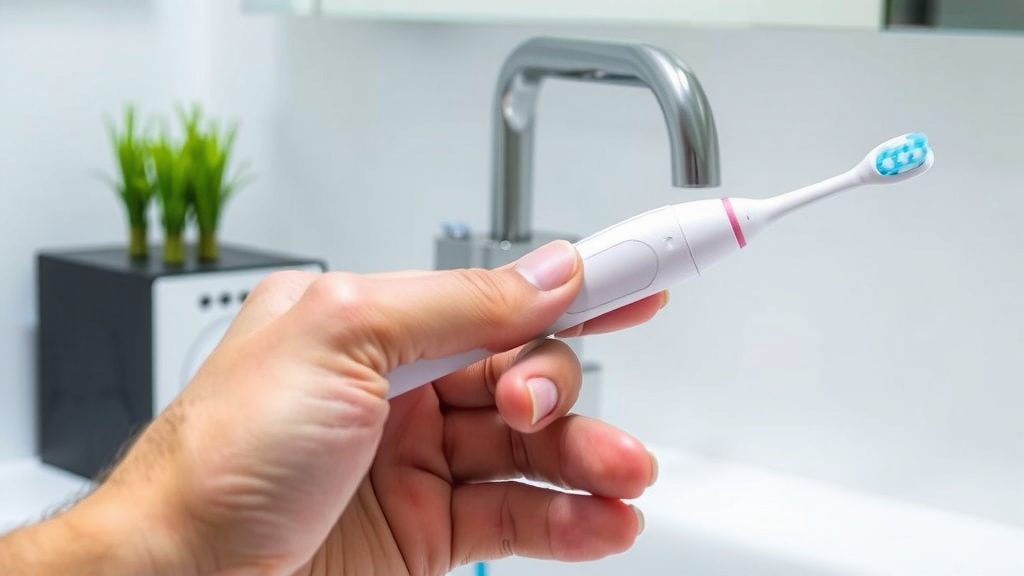
It’s so easy to build a good habit. After you brush your teeth, give the handle a quick wipe with a soft, dry cloth or a paper towel. Just a gentle swipe is enough. Make sure to dry the base and any charging contacts, too. This small step takes mere seconds. But it offers major protection for your investment.
Don’t just shake it off and assume it’s dry. Shake it all you want, but water loves to hide in nooks and crannies. A quick physical drying method is much more effective. You’ll thank yourself later when your toothbrush is still going strong after years of use.
Protecting Your Brush Head for a Healthier Smile
Your brush head is where the magic happens for cleaning your teeth. Keeping it clean and effective is just as important as protecting the handle. The biggest mistake people make is leaving the brush head covered. We found this is a breeding ground for bacteria.
When you finish brushing, tiny amounts of toothpaste and saliva remain on the bristles. If you immediately place it in a travel case or a closed cabinet, that moisture has nowhere to go. It just sits there. This creates a warm, damp environment perfect for microbes to multiply.
Air Drying is Your Best Friend
The goal for your brush head is to allow it to air dry completely. This means leaving it exposed to the air. Think of it like drying your hands after washing them. You wouldn’t immediately shove them into your pockets, right? You let them air dry or use a towel.
We found that placing the toothbrush in an upright holder is ideal. This allows air to circulate all around the brush head. It also helps any remaining water drip away. It’s a simple setup that makes a big difference in hygiene. Many dental professionals recommend this method (CDC).
What to Avoid with Your Brush Head
So, what exactly should you steer clear of? First, avoid closed containers like travel cases or humid bathroom drawers when the brush is wet. These trap moisture. We researched this and found that even a few hours in a closed case can significantly increase bacterial load.
Second, try not to let the brush head touch other surfaces. Resting it on a sink counter can pick up germs. If you have multiple people using electric toothbrushes in your household, make sure each one has its own designated space. Cross-contamination is a real concern.
Ideal Storage Locations and Solutions
Where you store your toothbrush matters. You want a spot that is dry and clean. Bathrooms can be tricky because they tend to be humid environments. Constant steam from showers can keep things damp.
We recommend finding a location that gets good air circulation. If your bathroom is particularly steamy, consider storing it outside the main bathroom area when not in use. A dry vanity drawer or a shelf in your bedroom can be good options. Just ensure they are clean places.
Using Toothbrush Holders Effectively
A good toothbrush holder is a fantastic tool. It helps keep your toothbrush upright and prevents the bristles from touching anything. Many holders are designed with ventilation to aid drying. Look for one that allows airflow around the brush head.
Some holders come with covers. While these can protect from dust, ensure they don’t trap moisture. If the cover doesn’t allow for ventilation, it might be better to leave it off during the drying phase. We found that open-top holders or those with slotted designs often work best for air drying.
Travel Storage Considerations
Traveling with your electric toothbrush is common. This is where storage can get tricky. You need something portable yet hygienic. As we discussed, closed containers are bad for wet brush heads.
If you must use a travel case, make sure the brush head is completely dry before putting it in. You might need to air dry it for a while after your last use before packing. Some travel cases have ventilation holes, which can help. Otherwise, consider a small, breathable pouch if you’re concerned about dust. Just remember to let it air out once you reach your destination.
Quick Checklist for Storing Your Electric Toothbrush
Here’s a super simple way to remember the key points:
- Wipe the handle dry after each use.
- Let the brush head air dry completely.
- Store upright in a holder if possible.
- Ensure good air circulation around the brush head.
- Avoid sealed containers for wet brush heads.
- Keep it away from excessive moisture and dust.
By following these simple steps, you’re not just storing your toothbrush. You’re actively contributing to its longevity and ensuring it works effectively for your oral hygiene. Happy brushing!
Conclusion
You’ve learned how simple it is to keep your electric toothbrush in prime condition. By focusing on keeping the handle dry and the brush head uncovered, you’re preventing damage and minimizing germ growth. These small habits ensure your toothbrush lasts longer and provides the best clean for your smile.
Take a moment after brushing today to implement these tips. You’ll be safeguarding your oral health and your investment for years to come. Happy, healthy brushing!
Frequently Asked Questions
How often should I replace my electric toothbrush head?
Most manufacturers recommend replacing your electric toothbrush head every three months. However, if the bristles appear frayed or worn before then, it’s best to replace it sooner. A worn-out brush head won’t clean your teeth effectively. Most manufacturers recommend replacing your electric toothbrush head every three months, but if the bristles appear frayed, you should replace it sooner.
Can I store my electric toothbrush in the shower?
It’s generally not recommended to store your electric toothbrush in the shower. The constant humidity and steam can lead to moisture buildup on the handle and around the charging port, potentially damaging the electronics over time. Try to keep it in a drier spot.
Is it okay to store my electric toothbrush in a drawer?
Storing your electric toothbrush in a clean, dry drawer is acceptable, especially if your bathroom is very humid. Just ensure the brush head is completely dry and that the drawer itself is free from dust and other contaminants. Avoid sealed containers that trap moisture.
What’s the best way to store multiple electric toothbrushes in one household?
For households with multiple electric toothbrushes, individual holders are ideal. This prevents the heads from touching each other, reducing the risk of cross-contamination. Make sure each holder allows for ample air circulation so the brush heads can dry properly.
Can I use a UV sanitizer for my electric toothbrush head?
Some people opt for UV sanitizers, and they can be effective if used correctly. However, it’s essential that the brush head is completely dry before sanitizing. UV light alone won’t kill bacteria if the brush head remains damp. Always follow the sanitizer’s specific instructions.