How to Remove Electric Toothbrush Head Safely
Taking the head off your electric toothbrush is usually a simple process. Most models are designed for easy head replacement. You’ll typically just need to gently pull the brush head straight off the handle. This is how you keep your toothbrush clean and ensure optimal brushing performance.
Replacing your electric toothbrush head regularly is key to maintaining good oral hygiene. Over time, brush heads become worn and less effective at removing plaque. Many dental professionals recommend replacing them every three to four months, or sooner if the bristles fray. It’s a small step that makes a big difference for your smile.
- Understand why replacing brush heads is important.
- Learn the simple way to remove the old head.
- Know when it’s time for a fresh one.
- See how easy it is to attach a new head.
Ready to swap out that old brush head for a fresh one? Let’s get your electric toothbrush sparkling and ready for action again!
You’re looking to swap out your electric toothbrush head. Great job keeping up with your oral hygiene! Replacing your brush head is one of the easiest ways to ensure your toothbrush is working its best. It keeps your smile healthy and bright. We’ll guide you through the simple steps.
Swapping Your Electric Toothbrush Head: A Quick Guide
Taking off your electric toothbrush head is usually a breeze. Most brands design them for quick and easy changes. You don’t need any special tools. It’s a straightforward process that takes just a moment.
Why Replace Your Electric Toothbrush Head?
Think of your toothbrush head like a sponge. Over time, it absorbs a lot and wears out. The bristles start to fray and bend. This makes them less effective at cleaning your teeth. They can’t reach plaque as well. The American Dental Association (ADA) recommends changing your brush head about every three to four months. This ensures you get the best clean possible. It also prevents bacteria buildup.
When Is It Time for a New Head?
Besides the recommended timeframe, there are visual cues. Frayed or splayed bristles are a sure sign. If the bristles look bent or worn out, it’s time. Some toothbrush heads have indicator bristles that fade. These show you when to replace them. If you brush very hard, you might need to replace yours sooner. Listen to your mouth; a duller clean means a worn head.
The Simple Process of Removing Your Electric Toothbrush Head
Getting the old head off is usually very simple. Most models use a simple pull-off mechanism. Let’s break down what you’ll typically do.
Step-by-Step Head Removal
First, make sure your toothbrush is turned off. You don’t want any accidental vibrations while you work! Next, locate where the brush head meets the handle. It’s usually a clean connection point.
Grip and Pull
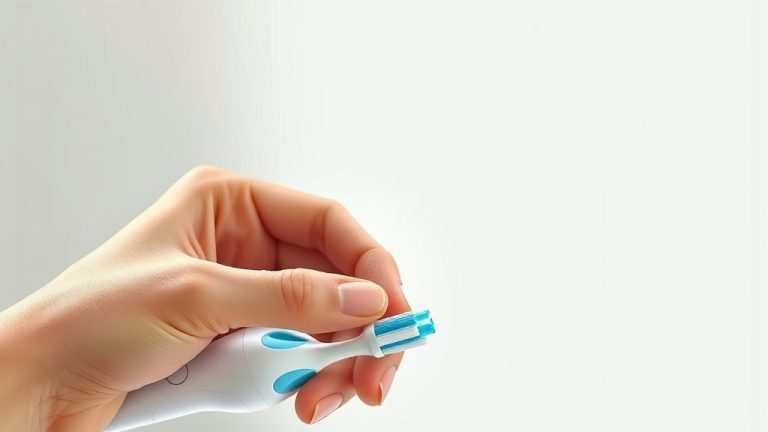
Grasp the brush head firmly with one hand. Use your other hand to hold the toothbrush handle. Now, gently but firmly, pull the brush head straight off the handle. It should slide off without much force. Imagine you’re pulling a cap off a pen.
What If It’s Stuck?
Sometimes, a brush head might feel a bit stubborn. If it doesn’t budge with gentle pulling, try wiggling it slightly. A small back-and-forth or side-to-side motion can help loosen it. Avoid using excessive force, as this could damage the handle. If it’s really stuck, a tiny bit of warm water around the connection might help. Let it sit for a minute, then try pulling again. Many experts suggest this gentle approach.
Common Toothbrush Head Attachment Types
While pulling is most common, some brands have slight variations. We found that most electric toothbrushes use a simple friction-fit system. This is the pull-off method we described. However, a few older or specialized models might have a twist-off mechanism. If yours seems to require a twist, try rotating the head counter-clockwise while pulling.
Brands and Their Methods
For most major brands like Oral-B and Philips Sonicare, the pull-off method is standard. You’ll find it very intuitive. The connection is designed for frequent changes. Always check your specific toothbrush manual if you’re unsure. It will confirm the exact method for your model.
Attaching Your New Toothbrush Head
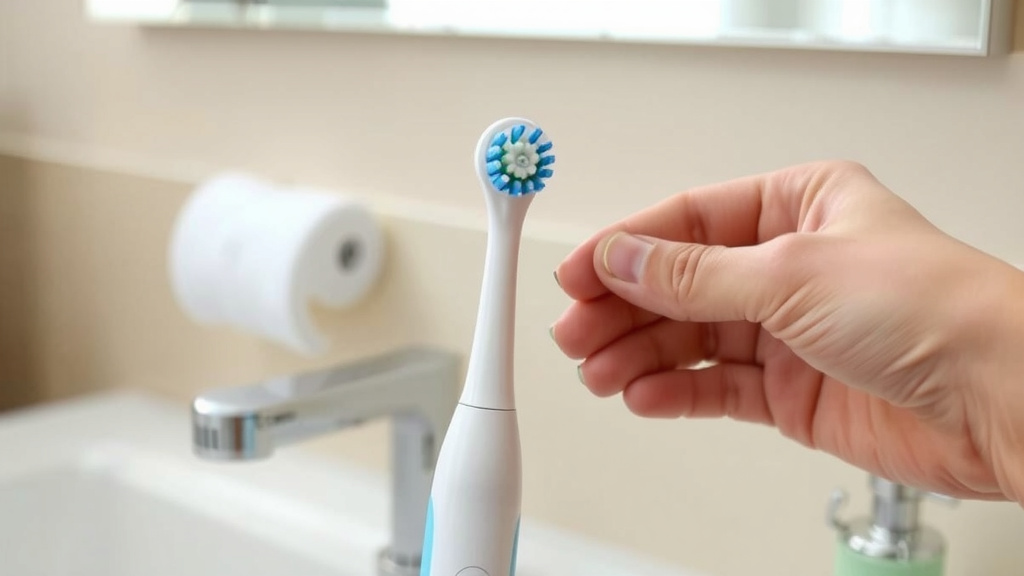
Putting on the new head is just as easy as taking off the old one. It’s the reverse process and equally quick. You want to hear or feel a secure click.
Align and Push
Take your new brush head. Look for a small connecting point or stem on the bottom of the head. Align this with the corresponding spot on the toothbrush handle. Most heads only fit one way.
Securing the New Head
Once aligned, push the new brush head firmly onto the handle. You should feel it slide into place. Many models will make a satisfying “click” sound. This confirms it’s securely attached. Give it a gentle tug to make sure it’s not loose. You’re now ready to brush!
Post-Replacement Checklist
After you’ve successfully changed your brush head, take a moment to:
- Ensure the new head is firmly attached.
- Rinse the new head with water before first use.
- Discard the old brush head properly.
- Admire your clean, ready-to-go toothbrush!
It’s a small action that keeps your oral health in top shape. By replacing your head regularly, you’re investing in a healthier smile. This simple habit is recommended by dental professionals worldwide (CDC).
Conclusion
You’ve learned how simple it is to swap out your electric toothbrush head. Remember, it’s a quick process that makes a big difference for your oral health. Regularly replacing your brush head ensures you get the best clean. It helps prevent plaque buildup and keeps your smile healthy. Don’t wait for the bristles to fray visibly. Aim to change it every three to four months. Your next step? Make a note in your calendar to swap your brush head soon!
Frequently Asked Questions
How often should I really replace my electric toothbrush head?
Dental professionals generally recommend replacing your electric toothbrush head every three to four months. This timeframe ensures the bristles remain effective at cleaning. If you notice the bristles are frayed or splayed sooner, it’s time for a change.
Can I use a brush head from a different brand on my toothbrush handle?
Generally, you should stick to brush heads designed for your specific toothbrush brand and model. While some might appear to fit, using incompatible heads can affect performance or even damage your toothbrush handle.
What should I do if my electric toothbrush head is stuck and won’t pull off?
If the head feels stuck, try wiggling it gently from side to side while pulling. Avoid using excessive force. A tiny bit of warm water around the connection point might also help loosen it. Ensure the toothbrush is powered off first.
Is it okay to reuse an electric toothbrush head after cleaning it?
No, it’s not recommended to reuse an old electric toothbrush head. Once the bristles are worn, they lose their effectiveness. Bacteria can also accumulate over time, making reuse unhygienic.
Do all electric toothbrushes have heads that just pull off?
Most modern electric toothbrushes, including popular brands like Oral-B and Philips Sonicare, use a simple pull-off mechanism. However, a few older or specialized models might have a twist-off attachment. Always check your toothbrush’s manual if you’re unsure.