Master Your Braun Oral-B Electric Toothbrush: A Simple Guide
Using your Braun Oral-B electric toothbrush is surprisingly simple and effective. The core action involves placing the brush head gently against your teeth and letting the toothbrush do the work, moving it slowly from tooth to tooth. Remember to angle the brush slightly towards the gum line for a thorough clean. This method helps ensure you get a superior clean compared to manual brushing.
Mastering your electric toothbrush can feel like a small victory for your oral hygiene. It’s designed to remove more plaque and improve gum health over time. Many users find the guided brushing modes helpful. It’s about making your daily routine easier and more productive.
- Angle brush head towards gums.
- Let the toothbrush guide you.
- Move slowly from tooth to tooth.
- Focus on one area at a time.
- Brush for at least two minutes.
Ready to get the most out of your device? Let’s walk through exactly how to use your Braun Oral-B electric toothbrush step by step.
Getting Started with Your Braun Oral-B Electric Toothbrush
So, you’ve got your new Braun Oral-B electric toothbrush, and you’re ready to level up your brushing game. That’s fantastic! Using it properly can make a real difference in how clean your teeth feel and how healthy your gums stay. We’ll guide you through each step to make sure you’re getting the most out of this amazing tool.
The basic idea is simple: let the brush do the work. Unlike a manual toothbrush where you scrub, your Oral-B is designed to oscillate and rotate, or pulsate and move side-to-side. Your job is to guide it. Think of it like a tiny, powerful cleaning crew for each tooth.
Charging and Setup: The First Steps
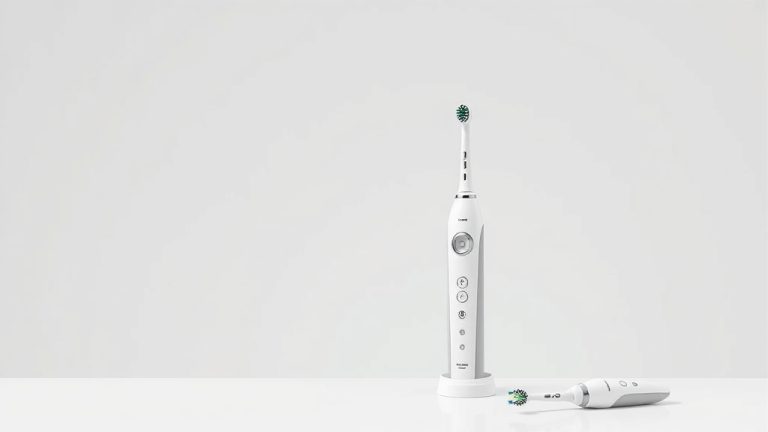
Before you even think about putting it in your mouth, let’s get it ready. Most Braun Oral-B models come with a charging base. You’ll want to plug this base into an outlet and place your toothbrush handle on it.
Initial Charge Time
For the first use, it’s generally recommended to let your toothbrush charge fully. This usually takes about 12 to 24 hours. Don’t worry, you won’t damage the battery by doing this; it just ensures you have a good starting charge for your first brushing session. Your toothbrush handle might have a battery indicator light that shows when it’s charging and when it’s full.
Attaching the Brush Head
Putting on a new brush head is a piece of cake. Most Oral-B brush heads simply push onto the metal shaft of the toothbrush handle. You’ll feel or hear a little click when it’s securely in place. Make sure it’s on there firmly before you start. To remove an old brush head, just pull it straight off the handle.
The Brushing Technique: Mastering Your Oral-B
Now for the fun part! Using your electric toothbrush is different from manual brushing, but it’s incredibly effective. The key is gentle pressure and proper placement. Your electric toothbrush has the power; you just need to guide it.
How to Hold and Position the Brush
Hold the toothbrush handle like you would a regular toothbrush, but be gentle. Don’t grip it too tightly. Angle the brush head slightly, about 45 degrees, towards your gum line. This is where a lot of plaque likes to hide, and this angle helps get it out.
Applying Gentle Pressure
This is a common mistake people make: pressing too hard. Your Oral-B is designed to clean effectively with light pressure. In fact, many models have a pressure sensor that will alert you if you’re pushing too hard. Listen for a change in the motor sound or look for a light indicator. Pressing too hard can damage your gums and wear down the brush head faster. We want a clean mouth, not a sore one!
Moving from Tooth to Tooth
Here’s where the magic happens. Instead of scrubbing back and forth, let the brush head do the work. Place the bristles on one tooth, hold it there for a few seconds, and then move to the next tooth. Spend a few seconds on the front, back, and chewing surface of each tooth. Think of it as visiting each tooth individually for a thorough cleaning.
Covering All Areas of Your Mouth
It’s easy to focus on the teeth you see in the mirror. But don’t forget the back ones! Divide your mouth into four quadrants: upper right, upper left, lower right, and lower left. Spend about 30 seconds on each quadrant. This ensures you give every surface of every tooth the attention it deserves.
Don’t Forget the Gum Line
As mentioned, that 45-degree angle towards the gum line is vital. This area is crucial for gum health. Research has shown that proper cleaning along the gum line can significantly reduce gingivitis (Mayo Clinic). The 45-degree angle towards the gum line is crucial for gum health, and our guide to the best electric toothbrush for gum disease offers specialized options.
Interior Surfaces and Chewing Surfaces
Make sure you clean the inside surfaces of your front teeth, too. For these, you might need to tilt the brush head vertically. And don’t forget the chewing surfaces of your molars; they can trap food particles easily.
Using Your Toothbrush’s Features for an Optimal Clean
Many Braun Oral-B models come with different brushing modes and features designed to enhance your experience. Let’s explore them.
Understanding Brushing Modes
Your toothbrush might have modes like “Daily Clean,” “Sensitive,” “Whitening,” or “Gum Care.”
- Daily Clean: This is your go-to for everyday brushing.
- Sensitive: Use this if you have sensitive teeth or gums. It offers a gentler cleaning action.
- Whitening: This mode can help polish away surface stains.
- Gum Care: It provides a gentle massage to stimulate your gums.
To switch modes, you usually press a button on the handle. Refer to your user manual for the exact operation of your specific model. Some models might change modes automatically after a certain time.
Timers and Pacing
Most Oral-B toothbrushes have a built-in timer. Many will give you a short pause or a different vibration every 30 seconds to signal when to switch quadrants. After two minutes, the toothbrush often signals that you’ve completed the recommended brushing time. This pacing feature is a game-changer for ensuring you brush long enough and evenly.
The Role of the Pressure Sensor
We touched on this earlier, but it’s worth repeating. The pressure sensor is your best friend for protecting your gums and teeth. If you apply too much force, the toothbrush will likely light up, vibrate differently, or even stop briefly. This is your cue to ease up. Consistent, gentle pressure is key for long-term oral health.
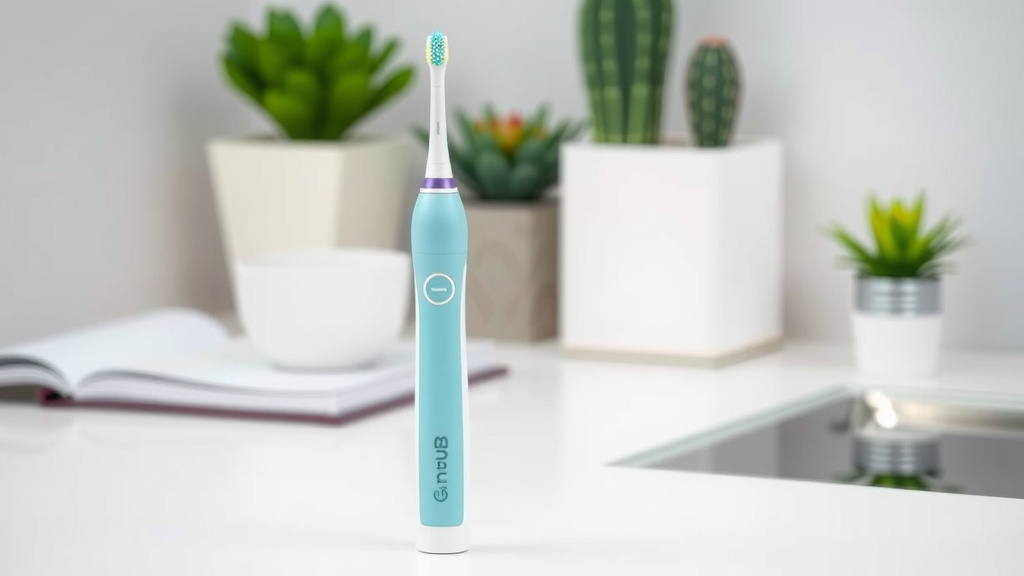
Maintaining Your Braun Oral-B Toothbrush
Keeping your toothbrush in good shape ensures it works its best and lasts longer. It’s also hygienic!
Rinsing After Each Use
After you finish brushing, rinse the brush head thoroughly under running water. Make sure to remove any toothpaste or debris. Shake off excess water and store it upright.
Replacing Brush Heads
Brush heads wear out over time. The bristles can fray and become less effective. Most manufacturers, including Braun, recommend replacing your brush head every three months. Some brush heads even have indicator bristles that fade to remind you when it’s time for a change. Keeping those bristles fresh is important for an effective clean (American Dental Association).
Here’s a quick checklist to keep your brushing routine on point:
- Charge your toothbrush fully before first use.
- Angle the brush head towards your gum line.
- Use light pressure – let the brush do the work.
- Spend a few seconds on each tooth surface.
- Brush for at least two minutes, switching quadrants every 30 seconds.
- Rinse the brush head well after each use.
- Replace brush heads every three months or when bristles fray.
Conclusion
You’re now equipped to get the most out of your Braun Oral-B electric toothbrush! Remember, the key is gentle guidance, proper angling towards the gum line, and letting the brush’s technology do the heavy lifting. By following these steps, you’re not just brushing; you’re investing in a cleaner mouth and healthier gums. Make it a habit, rinse your brush, and replace it regularly for optimal results. Your smile will thank you for it!
Frequently Asked Questions
How long should I charge my Braun Oral-B toothbrush before first use?
For its first charge, it’s best to let your Braun Oral-B toothbrush charge fully, which typically takes 12 to 24 hours. This ensures the battery is properly conditioned for optimal performance. Most models have an indicator light to show charging status.
What’s the best way to angle the brush head?
You should angle the brush head slightly, around 45 degrees, towards your gum line. This angle is important for effectively cleaning plaque that can accumulate at the base of your teeth. Gentle pressure is all that’s needed.
My Oral-B toothbrush has different modes. Which one should I use?
Start with the “Daily Clean” mode for everyday use. If you have sensitive teeth or gums, opt for the “Sensitive” mode for a gentler clean. Other modes like “Whitening” or “Gum Care” can be used as needed for specific concerns.
How do I know if I’m pressing too hard?
Most Braun Oral-B electric toothbrushes have a pressure sensor. If you press too hard, the toothbrush will likely alert you with a light, a change in vibration, or a temporary stop. Listen for these cues and ease up your pressure.
When should I replace my Oral-B brush head?
It’s recommended to replace your brush head every three months to maintain effective cleaning. You should also replace it sooner if the bristles become visibly frayed or worn. Some brush heads have indicator bristles that fade to signal replacement time.