When Can Kids Use an Electric Toothbrush
Yes, children can use electric toothbrushes at a very young age, often starting around 3 years old, with some pediatric dentists even recommending them for younger toddlers under supervision. The key is choosing the right brush and ensuring proper technique for effective and safe cleaning.
Many parents wonder about the right time to make the switch from manual to electric. Research suggests that electric toothbrushes can be more effective at removing plaque for all age groups, including little ones. They make brushing fun and can help establish good habits early on.
- Children can generally start using electric toothbrushes around age 3.
- Always supervise younger children while they brush.
- Look for brushes designed specifically for kids.
- Electric brushes can be more effective at removing plaque.
- They can help make brushing more engaging for children.
We found that introducing an electric toothbrush can be a great way to boost your child’s oral hygiene routine. Let’s walk through exactly what you need to know about choosing and using one for your little one.
You’re curious about when your little one can join the electric toothbrush club. It’s a common question for parents focused on building healthy habits from the start. The good news is, you don’t have to wait very long!
Making the Switch to Electric Brushing for Kids
Many pediatric dentists agree that children can start using an electric toothbrush as early as age 3. Some even suggest it for younger toddlers, provided there’s close adult supervision. The key is finding the right brush and ensuring it’s used correctly.
Why Consider an Electric Toothbrush for Your Child?
Electric toothbrushes often do a better job of removing plaque than manual ones. This holds true for adults and children alike. Research and studies have shown their effectiveness in cleaning teeth more thoroughly. They can be a real **game-changer for picky brushers**.
Plaque Removal Power
A report published in the Cochrane Database of Systematic Reviews found that electric toothbrushes reduced plaque and gingivitis more than manual toothbrushes. This benefit was seen over the long term, suggesting they are a **worthwhile investment** for better oral health. For kids, this can mean fewer cavities and healthier gums.
Making Brushing Fun
Let’s be honest, getting kids to brush their teeth can sometimes feel like a battle. Electric toothbrushes can make the experience more engaging. Many models come with fun colors, characters, and even apps that turn brushing into a game. This **gamification can transform a chore into an exciting activity**.
When Exactly is the Right Time to Start?
While age 3 is a common recommendation, your child’s individual development plays a role. Can they hold the brush easily? Do they understand simple instructions? These are important questions to ask. Always start with **gentle guidance and supervision**.
Toddlers (Ages 3-5)
For this age group, it’s all about supervision. You’ll likely need to help them guide the brush and ensure all surfaces are cleaned. Look for brushes with small heads and soft bristles. They should also have an **easy-grip handle** for little hands.
Preschoolers and Early Elementary (Ages 6-8)
At this stage, children are usually developing better motor skills. They can likely manage the brushing themselves with less direct help. However, **periodic checks are still a good idea**. Make sure they aren’t pressing too hard or missing spots.
Older Children (Ages 9+)
Most children in this age range can use an electric toothbrush independently. They have the dexterity and understanding to manage the brush effectively. Continue to **reinforce good brushing techniques** and dental hygiene habits.
Choosing the Right Electric Toothbrush for Your Child
Not all electric toothbrushes are created equal, especially when it comes to children. You’ll want to select a model designed with their needs in mind. Think about size, features, and how it feels in their hand. A **comfortable brush leads to better brushing**.
Key Features to Look For
Here are some things to keep an eye out for:
- Soft Bristles: Essential for protecting delicate gums and enamel.
- Small Brush Head: Makes it easier to reach all areas of the mouth.
- Ergonomic Handle: Designed for small hands to grip easily and securely.
- Rechargeable or Battery-Operated: Both work, but rechargeable can be more convenient and eco-friendly.
- Timer Function: Many electric toothbrushes have a built-in timer to ensure they brush for the recommended two minutes.
Age-Appropriate Models
Many brands offer electric toothbrushes specifically marketed for kids. These often feature brighter colors, popular characters, and softer brush heads. Some even connect to apps that track brushing habits and offer rewards. This can be a **fantastic motivator for children**.
A table can help visualize the differences:
| Age Range | Key Considerations | Recommended Features |
|---|---|---|
| 3-5 Years | Supervision is key. Focus on ease of use. | Soft bristles, small head, comfortable grip. |
| 6-8 Years | Developing independence. Check technique. | Timer function, age-appropriate design, medium bristles (still soft). |
| 9+ Years | Can manage independently. Focus on thoroughness. | Variety of brush head options, advanced timer features, sleek design. |
How to Use an Electric Toothbrush with Your Child
Using an electric toothbrush is a bit different from a manual one. You don’t need to scrub. The brush does most of the work for you. The key is proper placement and letting the brush **do its job gently**.
The Technique Explained
Start by placing the bristles on each tooth surface at a 45-degree angle towards the gum line. Turn the brush on and let it vibrate or rotate against each tooth for a few seconds. Move from tooth to tooth, covering all surfaces: outer, inner, and chewing surfaces. Don’t forget to brush the tongue gently to **remove bacteria and freshen breath**.
Supervision and Guidance
For younger children, you’ll want to stand beside them, guiding their hand and making sure they don’t miss any spots. As they get older, you can gradually give them more independence. Periodically check their brushing to **ensure they are doing a thorough job**.
Here’s a quick checklist for success:
- Choose a brush with soft bristles and a small head.
- Ensure your child can comfortably hold the brush.
- Supervise younger children closely during brushing.
- Teach them to place the brush on each tooth surface.
- Let the brush do the work; no scrubbing needed.
- Brush for the recommended two minutes, twice a day.
Introducing an electric toothbrush can be a smart move for your child’s oral hygiene. By selecting the right brush and guiding them through the process, you’re setting them up for a lifetime of healthy smiles. Remember, consistency is key!
Conclusion
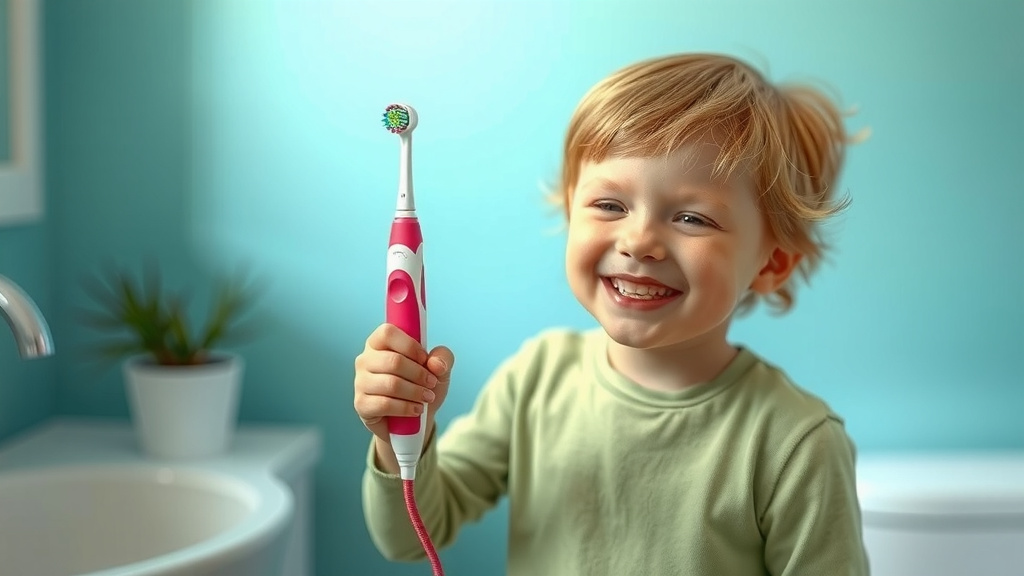
You’re ready to help your child brush smarter! We found that introducing an electric toothbrush around age 3 can truly boost their oral hygiene. Remember to choose a child-friendly model with soft bristles and a small head for comfort and safety. Your gentle guidance and supervision are key, especially at first. By making brushing fun and effective, you’re setting your child up for a lifetime of healthy, happy smiles. Make the switch to an electric toothbrush today and watch their confidence grow with every clean!
Frequently Asked Questions
Can a 2-year-old use an electric toothbrush?
While some pediatric dentists suggest it for toddlers under close supervision, most generally recommend waiting until around age 3. It’s important they have enough coordination to handle the brush safely. Always prioritize adult guidance for very young children.
Do electric toothbrushes really clean better for kids?
Research and studies have found that electric toothbrushes can be more effective at removing plaque than manual ones for all ages. This means fewer cavities and healthier gums for your child. They make the brushing process more thorough and efficient.
What if my child is scared of the electric toothbrush sound?
This is common! Start by letting them hold the brush while it’s off to get used to the feel. Then, turn it on briefly and let them hear the sound without touching their teeth. Many kids also find the fun apps and features distract them from the noise.
How long should my child brush with an electric toothbrush?
The general recommendation for everyone, including children, is to brush for two minutes, twice a day. Many kid-friendly electric toothbrushes have built-in timers that signal when it’s time to move to the next section of their mouth. This ensures they brush for the optimal duration.
Can my child use my adult electric toothbrush?
It’s best to use an electric toothbrush designed specifically for children. Adult brushes often have larger heads and stronger vibrations that might be too intense for a child’s mouth. Child-sized brushes are gentler and easier for them to maneuver.