Electric Toothbrush Benefits: What They Do for Your Smile
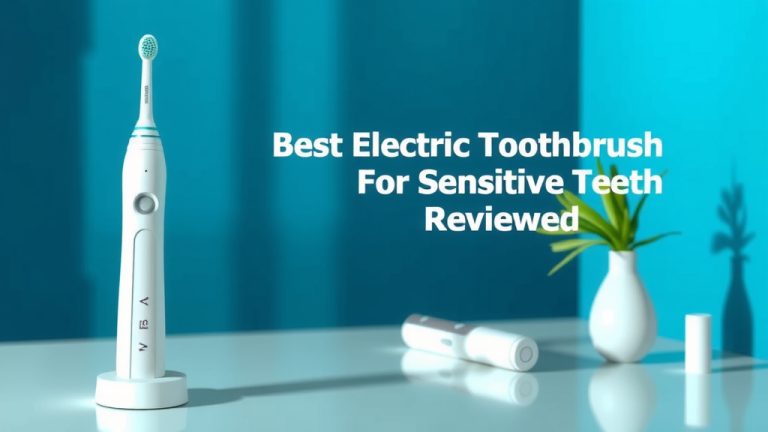
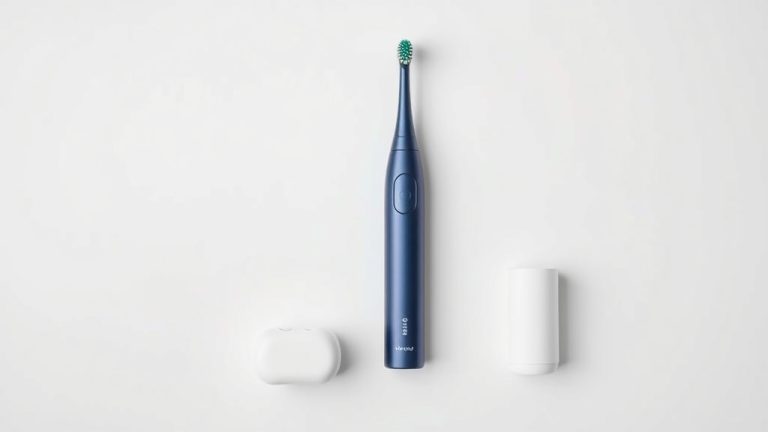
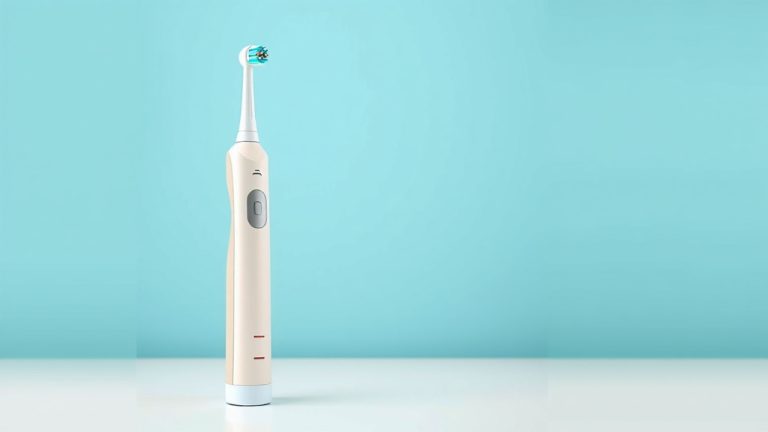
An electric toothbrush is a power-driven dental tool that uses oscillating or rotating brush heads to clean your teeth more effectively than a manual toothbrush. Its high-speed movements help remove plaque and debris with minimal effort on your part, leading to healthier gums and a brighter smile. You’ll likely notice a cleaner feeling after just one use.
Beyond just cleaning, these modern marvels often come with built-in timers to ensure you brush for the dentist-recommended two minutes. Some even connect to apps to track your habits and offer personalized feedback. They can make achieving superior oral hygiene feel surprisingly simple and even a little fun.
- Electric toothbrushes use powered brush heads for better plaque removal.
- They help you brush for the recommended two minutes.
- Many models offer advanced features like pressure sensors and app connectivity.
- Overall, they simplify achieving a cleaner mouth and healthier gums.
Let’s get into the specifics of what makes these brushes so effective and how they can benefit your daily routine.
How an Electric Toothbrush Cleans Your Teeth Better
So, you’re wondering what exactly makes an electric toothbrush a step up from your trusty manual one? We’ve got you covered. These brushes use powered movements to scrub away plaque and food particles far more efficiently. Think of it like a tiny, high-speed cleaning crew working for your teeth.
The Power of Oscillations and Vibrations
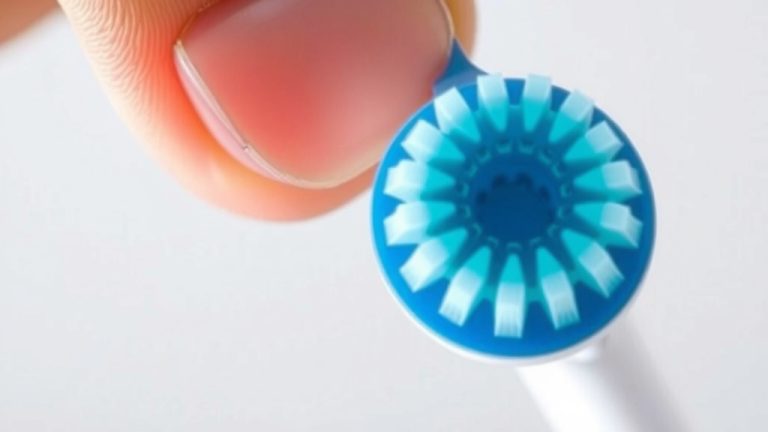
Most electric toothbrushes work using one of two main types of motion: oscillating-rotating or sonic vibrations. Oscillating-rotating brushes have small, round heads that spin back and forth. They often cup each tooth individually. This allows for a thorough clean around every surface. Many dentists recommend this style for its plaque-fighting power (American Dental Association).
Sonic toothbrushes, on the other hand, use high-frequency vibrations. The brush head moves back and forth very rapidly, creating thousands of tiny sweeping motions. These vibrations can actually create micro-movements in the fluid around your teeth. This helps dislodge plaque even slightly beyond where the bristles touch. It’s a gentle yet effective way to clean.
Superior Plaque Removal Capabilities
Research consistently shows that electric toothbrushes are more effective at removing plaque than manual brushes. Studies have found they can reduce plaque by up to 21% more. This is a big deal for preventing cavities and gum disease. Less plaque means healthier gums and a cleaner smile, plain and simple.
The consistent speed and power of an electric brush make a real difference. You don’t have to worry about inconsistent scrubbing. It’s like having a professional cleaner handle the job every time you brush. This improved cleaning action is a primary reason people switch.
Features That Enhance Your Brushing Experience
Electric toothbrushes offer more than just powered cleaning. They come packed with features designed to make brushing easier and more effective for you. Let’s look at some of the most common ones.
Built-in Timers for Optimal Brushing Duration
Dentists worldwide recommend brushing for at least two minutes, twice a day. Do you always hit that mark? Many people don’t realize they’re cutting their brushing time short. Electric toothbrushes often have built-in two-minute timers.
Some timers even give you a little buzz or pause every 30 seconds. This signals you to move to a different quadrant of your mouth. It ensures you give each area adequate attention. This simple feature alone can dramatically improve your brushing habits.
Pressure Sensors to Protect Your Gums
Are you an aggressive brusher? Applying too much force can damage your gums and tooth enamel. It can lead to recession and sensitivity. Many electric toothbrushes now include pressure sensors.
These sensors alert you when you’re pressing too hard. Some will slow down the brush head. Others will make a sound or flash a light. This feedback helps you develop a gentler brushing technique. Protecting your gums is just as important as cleaning your teeth.
Different Brushing Modes for Specific Needs
Do you have sensitive teeth or gums? Maybe you want to focus on whitening. Many electric toothbrushes offer multiple brushing modes. You can often choose from settings like:
- Standard Clean: For everyday plaque removal.
- Sensitive: A gentler speed for those with sensitive teeth or gums.
- Whitening: Often uses a faster, polishing motion.
- Gum Care: A gentler massage for your gum line.
- Deep Clean: Can extend brushing time or offer more intense cleaning.
This variety allows you to customize your brushing routine. It caters to your unique oral health needs. It’s like having a dental professional’s advice built right into your toothbrush.
Connecting to Technology: The Smart Toothbrush
The evolution of electric toothbrushes has brought us into the age of smart oral care. Many models now connect to smartphone apps via Bluetooth. This integration offers a whole new level of oral hygiene management.
Personalized Feedback and Tracking
These apps can track your brushing habits in detail. They often show you where you might be missing spots on your teeth. Some apps use sensors in the brush to map your mouth. They provide real-time guidance as you brush.
You can see your brushing duration, coverage, and even pressure. The app can then offer personalized tips. It might suggest focusing more on certain areas. This data-driven approach can help you improve your technique over time. It makes achieving a thorough clean more achievable.
Gamification for Brushing Motivation
For some, brushing can feel like a chore. Smart toothbrushes can make it more engaging. Many apps incorporate gamification elements. You might earn points for brushing correctly. There could be challenges or progress tracking that feels like a game.
This can be particularly helpful for children. It encourages them to brush properly and for the full two minutes. But adults can enjoy the motivational aspect too! It adds a little fun to a daily necessity.
Making the Switch: What to Expect
Transitioning from a manual toothbrush to an electric one is usually quite simple. You might feel a bit of a tickle at first. The vibrations can take a little getting used to. However, most people adapt very quickly.
The key is to let the toothbrush do the work. You don’t need to scrub vigorously. Just guide the brush head gently over each tooth surface. Hold it in place for a few seconds. Then move to the next tooth. It requires a different technique than manual brushing, but it’s much easier to master.
Think of it as a partnership. Your electric toothbrush provides the power and precision. You provide the guidance. Together, you achieve a superior clean. You’ll likely notice a difference in how clean your teeth feel after just the first few uses.
A Checklist for Better Brushing Habits
Ready to get the most out of your electric toothbrush? Here’s a quick guide:
- Let the brush do the work; don’t scrub hard.
- Hold the brush head on each tooth for a few seconds.
- Angle the bristles towards the gum line.
- Follow the 30-second quadrant prompts if your brush has them.
- Brush for the full two minutes every time.
- Rinse your brush head thoroughly after each use.
Conclusion
You’ve learned that electric toothbrushes are more than just a fancy gadget. They actively clean your teeth better with powered brush heads. Features like timers and pressure sensors help you brush correctly. Smart technology adds personalized feedback to improve your technique. By letting the brush do the work and guiding it gently, you can achieve a superior clean. Ready to experience a healthier mouth? Make the switch to an electric toothbrush and feel the difference for yourself!
Frequently Asked Questions
Can an electric toothbrush really make my teeth whiter?
Yes, many electric toothbrushes can help whiten your teeth. Their faster polishing action can remove surface stains more effectively than manual brushing. Some models even have specific whitening modes designed for this purpose. You’ll likely notice a brighter smile with consistent use.
Is it okay to use an electric toothbrush on sensitive gums?
Absolutely. Many electric toothbrushes come with a sensitive mode that uses gentler vibrations or slower speeds. Additionally, the built-in pressure sensors can alert you if you’re brushing too hard. This protects your gums from irritation and damage.
How often should I replace the brush head on an electric toothbrush?
Most manufacturers recommend replacing your electric toothbrush head every three months. Over time, bristles fray and become less effective at cleaning. Some brush heads even have indicator bristles that fade to remind you when it’s time for a change.
Do electric toothbrushes make a lot of noise?
Electric toothbrushes do make a sound, but it’s generally a low hum or vibration rather than a loud noise. The noise level can vary between models and types of cleaning action (oscillating vs. sonic). Most users find the sound acceptable for a twice-daily routine.
Will I feel a big difference after the first time using an electric toothbrush?
Many people report feeling a noticeable difference in cleanliness after their very first use. Your teeth might feel smoother and more polished. This immediate feedback can be very encouraging as you get used to the new brushing technique.