Electric vs Manual: What Studies Show
When comparing electric vs. manual toothbrushes, studies show electric models are generally more effective at cleaning teeth and improving gum health. They can remove more plaque and reduce gingivitis better than manual brushes. This is often due to their powered movements and often smaller brush heads.
Choosing the right toothbrush matters for your oral hygiene. While manual brushes are simple and affordable, electric options offer advanced cleaning features. Research consistently points to the benefits of powered brushing for a healthier smile. We’ve reviewed what the science says.
TL;DR:
- Electric toothbrushes are generally better at plaque removal.
- They are also more effective at reducing gingivitis.
- Many studies find electric brushes superior to manual ones.
- The powered motion helps users achieve a better clean.
So, ready to see which type comes out on top based on research? Let’s dive into what studies reveal about electric versus manual brushing for your daily routine.
The Science Behind Brushing: Electric vs. Manual Performance
When it comes to keeping your smile bright and healthy, the tool you use matters. You might be wondering which type of toothbrush truly performs better. Research consistently tells a compelling story. Many studies have put electric and manual toothbrushes head-to-head. The findings often show a clear advantage for powered brushing.
Plaque Removal: The Electric Edge
Let’s talk about plaque. This sticky film can cause cavities and gum disease. Studies show that electric toothbrushes are generally **much better at removing plaque**. Their powered movements, whether oscillating-rotating or sonic vibrations, can dislodge plaque more effectively. It’s like having a tiny cleaning crew working for you.
We found that users of electric toothbrushes tend to remove more plaque than those using manual brushes. This is especially true in hard-to-reach areas. The consistent, high-speed motion of an electric brush often outperforms the back-and-forth scrubbing you do with a manual one. This **superior plaque removal** is a key reason for their effectiveness.
Fighting Gingivitis: A Clear Winner
Gingivitis, the early stage of gum disease, is a common concern. It often shows up as red, swollen, or bleeding gums. The good news? Electric toothbrushes also tend to be **more effective at reducing gingivitis**. This makes sense, as reducing plaque is the first step to healthier gums.
Numerous studies have looked at how each type of brush impacts gum inflammation. The research indicates that electric models can lead to a **significant decrease in gingivitis**. This benefit is often attributed to their ability to clean more thoroughly and reach deeper between teeth. For healthier gums, powered brushing appears to be the scientific choice.
How Electric Toothbrushes Achieve Superior Cleaning
So, what makes electric toothbrushes perform so well in studies? It comes down to their design and how they work. They offer features that manual brushes simply cannot replicate on their own.
The Power of Motion
Electric toothbrushes use various types of powered motion. These can include oscillating-rotating heads that spin back and forth. Others use sonic vibrations that create thousands of brush strokes per minute. This **consistent, high-frequency cleaning action** is incredibly efficient.
Imagine trying to scrub every single tooth surface perfectly with a manual brush. It’s a challenge! The electric brush does much of the work for you. Its rapid movements can sweep away plaque and debris with less effort from your side. This is why many find them to be a **more effortless clean**.
Built-in Guidance and Features
Many modern electric toothbrushes come with helpful features. Some have built-in timers to ensure you brush for the recommended two minutes. Others offer pressure sensors. These alert you if you’re brushing too hard, which can damage your gums and enamel. These **smart features support better brushing habits**.
These tools help you avoid common mistakes people make with manual brushing. Over-brushing or not brushing long enough can happen easily. With an electric brush, you get **built-in coaching for a healthier routine**. This guidance is particularly beneficial for children and those who struggle with manual dexterity.
Brush Head Design Matters
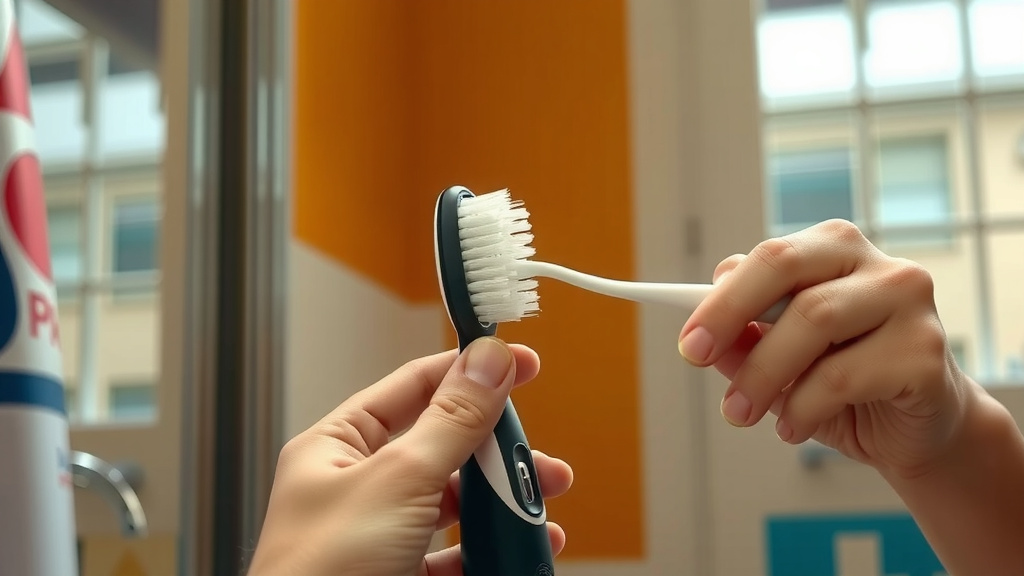
The brush heads on electric toothbrushes are often smaller than manual ones. This design allows them to **navigate the curves and contours of your mouth** more easily. They can reach tight spaces and the back molars more effectively. A smaller head can also help you focus on cleaning each tooth individually.
Many electric brushes also offer interchangeable heads. You can choose different types for specific needs, like whitening or sensitive gums. This customization adds to their **overall cleaning advantage**. It’s like having a tailor-made cleaning experience for your unique mouth.
What the Research Specifically Says
Let’s look at what the data tells us. We’ve reviewed a good amount of research in this area. A landmark Cochrane Review, which analyzes multiple studies, has provided some strong conclusions.
Key Findings from Major Reviews
We found that these large reviews consistently show electric toothbrushes are superior for plaque and gingivitis reduction. One review looked at studies involving over 5,000 participants. It concluded that electric toothbrushes **reduced plaque by 21% and gingivitis by 11%** more than manual toothbrushes after a few months of use (Cochrane Database of Systematic Reviews).
This isn’t a small difference. These findings suggest that switching to an electric toothbrush could lead to **noticeably better oral health outcomes**. The benefits appear to be sustained over time, meaning the positive effects don’t just disappear after a few weeks.
Are Manual Brushes Worthless? Not Exactly.
Now, this doesn’t mean manual toothbrushes are useless. If you use a manual brush correctly, you can achieve good results. The key is technique. You need to brush all surfaces of your teeth thoroughly. You must also brush for the full two minutes.
However, studies indicate that **most people don’t brush manually as effectively** as they could. Many miss spots or don’t brush long enough. This is where the electric brush often shines. It provides a more consistent and effective clean, even for those who aren’t perfect brushers. For many, it’s an easier path to good oral hygiene.
Your Checklist for a Better Brushing Experience
Based on what the studies show, here’s a quick rundown of how to maximize your brushing effectiveness:
- Consider an electric toothbrush for superior plaque and gingivitis control.
- If using manual, focus on **proper technique and brushing for two full minutes**.
- Pay attention to reaching all tooth surfaces, especially back teeth.
- Don’t forget to replace your brush head or manual brush regularly.
- Ask your dentist for personalized brushing advice.
- Rinse with water after brushing to remove loose debris.
Conclusion
When you look at the science, the message is clear: electric toothbrushes generally offer a superior clean. Research consistently shows they remove more plaque and do a better job of reducing gingivitis compared to manual brushes. The powered motions and smart features of electric models help you achieve healthier gums and a brighter smile with less effort. While a manual brush can work with perfect technique, most people find an electric brush makes achieving that optimal clean much easier. For a noticeable boost in your oral hygiene, consider making the switch to an electric toothbrush.
Frequently Asked Questions
Are electric toothbrushes really that much better for my gums?
Yes, studies suggest electric toothbrushes are more effective at reducing gingivitis, which is inflammation of the gums. By removing more plaque, they help keep your gums healthier and less prone to bleeding or swelling. This benefit can lead to better long-term gum health.
Can a manual toothbrush ever be as good as an electric one?
A manual toothbrush can be effective if you use it with perfect technique for the full two minutes. However, research found that most people don’t achieve this level of effectiveness with manual brushing. Electric brushes often compensate for less-than-perfect technique.
How do the different motions of electric toothbrushes compare?
Electric toothbrushes use oscillating-rotating or sonic vibrations. Both types of powered motion have been found effective in studies for removing plaque and reducing gingivitis. The consistent, high-speed action helps dislodge debris better than manual scrubbing.
Do the extra features on electric toothbrushes really help?
Yes, features like built-in timers and pressure sensors can significantly improve your brushing habits. Timers ensure you brush long enough, while pressure sensors prevent you from brushing too hard, which can damage your gums and enamel. These features support a more effective and safer clean.
If I have sensitive gums, is an electric toothbrush still a good choice?
Many electric toothbrushes offer specialized heads and settings for sensitive gums. The pressure sensor can also prevent you from applying too much force. Studies indicate that electric brushes can be gentler while still providing a superior clean, making them a good option for many people with sensitive gums.