Electric vs Manual Brushing: Which Cleans Better?
When it comes to cleaning your teeth, both electric and manual toothbrushes can get the job done. However, research and many dental professionals find that electric toothbrushes often clean better. They tend to remove more plaque and reduce gingivitis more effectively than manual brushes.
Deciding between an electric and a manual toothbrush can feel like a big choice for your daily routine. You want to make sure you’re doing the best for your smile. We looked into what makes each type tick and how they stack up for your oral health.
- Electric brushes often remove more plaque.
- They can be better at reducing gum inflammation.
- Both types work if used correctly.
- Your technique matters with a manual brush.
- Electric models offer convenience and consistency.
Let’s get into the nitty-gritty of electric versus manual brushing so you can pick the best option for your smile.
Manual vs. Electric Toothbrush: Which One Wins the Cleanliness Battle?
So, you’re wondering which type of toothbrush will give you that sparkling clean feeling. It’s a great question! You want to brush away plaque and keep your gums happy. We’ve looked into the science and what dentists often recommend.
Research generally shows that electric toothbrushes tend to remove more plaque and reduce gingivitis more effectively. This doesn’t mean manual brushes are useless! It just means electric ones often have a bit of an edge.
The Case for Electric Toothbrushes
Electric toothbrushes do a lot of the work for you. They often have small, oscillating or rotating heads. Some even vibrate with sonic power. This motion can be very effective at breaking up plaque and sweeping it away from your teeth and gums.
Many studies have found them to be superior. For instance, a Cochrane Review looked at many studies. It concluded that electric toothbrushes likely reduce plaque and gingivitis better than manual ones (Cochrane Database of Systematic Reviews). This is especially true for long-term use.
Features That Make a Difference
Electric models come with lots of helpful features. Many have built-in timers. These ensure you brush for the dentist-recommended two minutes. Some even have pressure sensors. These alert you if you’re pressing too hard. That can protect your gums and enamel.
The consistent motion is a big plus. It’s hard to replicate the same speed and power with a manual brush. This consistency can lead to a more thorough clean every time you brush. It takes the guesswork out of getting your teeth truly clean.
Who Benefits Most from Electric?
Electric toothbrushes can be especially helpful for certain groups. People with limited mobility, like those with arthritis, might find them easier to use. The motor does the scrubbing for them. It requires less manual dexterity.
Children often brush better with electric toothbrushes too. The fun designs and sonic vibrations can make brushing feel more like a game. Parents also find they are less likely to argue with their kids about brushing time! Plus, the built-in timers help ensure they brush long enough.
The Strengths of Manual Toothbrushes
Now, let’s not count out the trusty manual toothbrush. They are simple, affordable, and readily available everywhere. You don’t need to worry about charging them or replacing batteries. They are the original cleaning tool for your smile.
When used with the correct technique, a manual toothbrush can be very effective. The key is proper brushing. You need to ensure you’re reaching all surfaces of your teeth. This means paying attention to angles and pressure.
Mastering the Manual Technique
Using a manual brush effectively requires a bit of skill. Dentists often recommend the Bass technique. This involves angling the brush bristles towards the gum line. Then, you use gentle, short, back-and-forth strokes. You also need to brush the surfaces of your teeth.
It’s easy to brush too hard with a manual brush. This can damage your gums. It can even wear down your enamel over time. Focusing on a gentle touch is important. Your goal is to sweep away plaque, not scrub aggressively.
When Manual Might Be Your Best Bet
Manual toothbrushes are great for travel. They don’t take up much space. You don’t need to pack a charger. They are also a budget-friendly option. You can find decent manual brushes for just a few dollars.
For some people, the simplicity of a manual brush is all they need. If you have excellent brushing habits and reach every spot, you can maintain great oral hygiene. It truly comes down to how you use it.
Head-to-Head: Key Differences Summarized
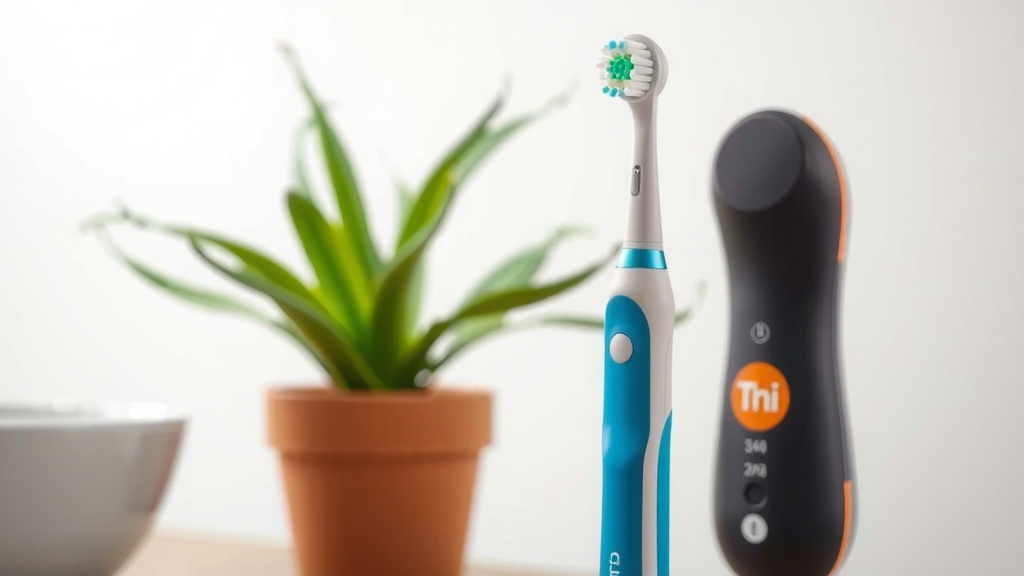
Let’s break down the main differences you’ll see between the two types. It’s helpful to see them side-by-side. This can make your choice a little clearer.
| Feature | Electric Toothbrush | Manual Toothbrush |
|---|---|---|
| Plaque Removal | Generally more effective due to consistent motion. | Effective with proper technique. |
| Gum Health | Often reduces gingivitis more. | Can be effective, but risk of over-brushing is higher. |
| Ease of Use | Requires less manual effort, good for mobility issues. | Requires proper technique and dexterity. |
| Features | Timers, pressure sensors, multiple modes. | Basic functionality. |
| Cost | Higher initial cost, replacement heads needed. | Lower initial cost, frequent brush replacement. |
| Power Source | Rechargeable battery or replaceable batteries. | None needed. |
Making Your Final Decision
Choosing between an electric and a manual toothbrush depends on your personal needs and preferences. Think about what’s most important to you. Do you struggle with consistent brushing? Do you want extra features to help you out?
If you want to maximize plaque removal and gum health with less effort, an electric toothbrush is likely your best bet. Many dental professionals recommend them for these reasons. They offer a powerful and consistent way to keep your mouth clean.
On the other hand, if you’re a diligent brusher with excellent technique, a manual toothbrush can serve you well. It’s also a fantastic, affordable option. The key is to be mindful of your brushing.
Your Personal Checklist for a Great Clean
No matter which brush you choose, here are some tips to ensure you’re getting the best clean possible:
- Brush at least twice a day.
- Use a fluoride toothpaste.
- Brush for a full two minutes each time.
- Angle your brush towards the gum line.
- Replace your toothbrush head or brush every 3-4 months.
- Don’t forget to floss daily!
Ultimately, the best toothbrush is the one you will use correctly and consistently. Both types can lead to a healthy smile when used properly. Happy brushing!
Conclusion
Ultimately, the choice between an electric and a manual toothbrush comes down to what works best for your unique smile and habits. Research indicates electric toothbrushes often excel at plaque removal and improving gum health due to their consistent, powerful motion. However, a manual brush, when used with precise technique, can still achieve excellent results. Think about your budget, dexterity, and what features will encourage you to brush consistently and effectively. Whichever you choose, commit to brushing twice daily for two minutes with fluoride toothpaste, and don’t forget to floss!
Frequently Asked Questions
Are electric toothbrushes really worth the extra cost?
For many people, electric toothbrushes are worth the investment. They often remove more plaque and reduce gum inflammation better than manual brushes, thanks to their consistent power and motion. Features like timers and pressure sensors can also improve your brushing habits, potentially saving you from dental issues down the line.
Can a manual toothbrush really clean my teeth as well as an electric one?
Yes, a manual toothbrush can clean your teeth effectively if you use the correct technique. This means angling the bristles towards your gum line and using gentle, short strokes. It requires more attention to detail and consistency than an electric brush, as the power comes entirely from your own movement.
What’s the best brushing technique for a manual toothbrush?
Dentists often recommend the Bass technique for manual brushing. This involves holding the brush at a 45-degree angle to your gums. You then use gentle, short, back-and-forth strokes to clean both the tooth surfaces and the gum line. Ensure you cover all surfaces of every tooth.
How often should I replace my toothbrush head or brush?
You should replace your toothbrush head (for electric brushes) or your entire manual toothbrush every 3 to 4 months. You might need to replace it sooner if the bristles become frayed or worn. Worn bristles are less effective at cleaning and can even be harmful to your gums.
Do electric toothbrushes help with sensitive gums?
Many electric toothbrushes come with pressure sensors that alert you if you’re brushing too hard. This feature can be very beneficial for people with sensitive gums, as it helps prevent irritation and damage. Some electric models also offer gentler brushing modes specifically for sensitive teeth and gums.