Electric vs Manual: Advantages Explained
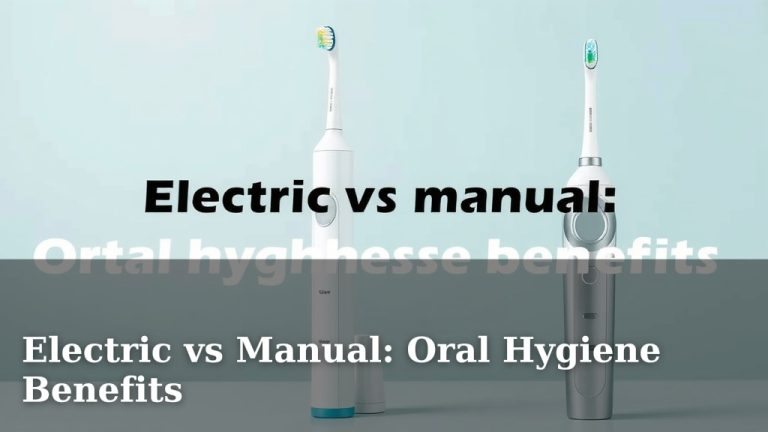
Choosing between an electric and a manual toothbrush can feel like a big decision for your smile. Electric toothbrushes generally offer a more effective clean, removing more plaque than manual ones. This is because their rapid oscillations or rotations do much of the scrubbing work for you. Both can work well with proper technique, but electric often makes it easier.
Your daily brushing routine is the foundation of good oral health. While manual brushes have been around forever, electric models bring a new level of power and consistency to the task. We found that many people switch to electric for a noticeably cleaner feeling. Understanding the key differences will help you pick the best tool for your mouth.
- Electric brushes often remove more plaque.
- They do more of the work for you.
- Manual brushes require more technique.
- Your choice depends on your priorities and budget.
Let’s break down the pros and cons of each to help you decide which type of toothbrush is your perfect match.
Electric vs. Manual Toothbrushes: What’s the Real Difference?
Deciding between an electric and a manual toothbrush is a common dilemma for many people. Both can help you keep your smile healthy. However, they offer different experiences and effectiveness. We’ll help you understand which one might be the best fit for your daily routine. Think of it like choosing between a chef’s knife and a good quality paring knife – both cut, but for different tasks and with different results.
Understanding the Mechanics: How They Work
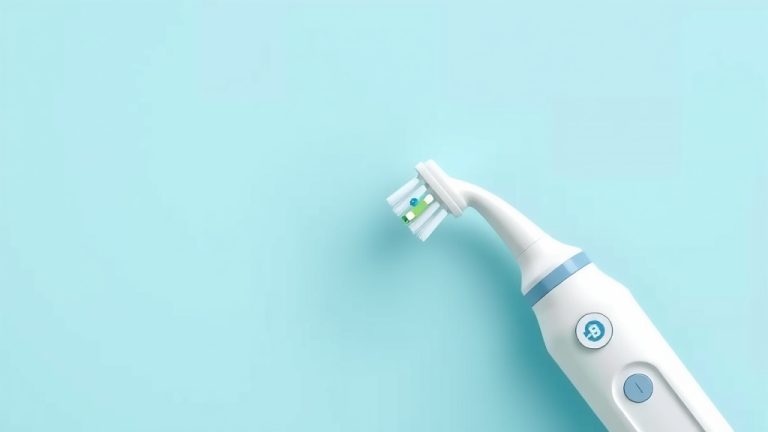
Your manual toothbrush relies entirely on your technique. You move it around your teeth. You control the pressure and the motion. It’s a direct, hands-on approach. Electric toothbrushes, on the other hand, use powered heads. These heads vibrate or rotate rapidly. They do most of the cleaning motion for you. You just guide the brush head along your teeth.
The Power of Oscillation and Rotation
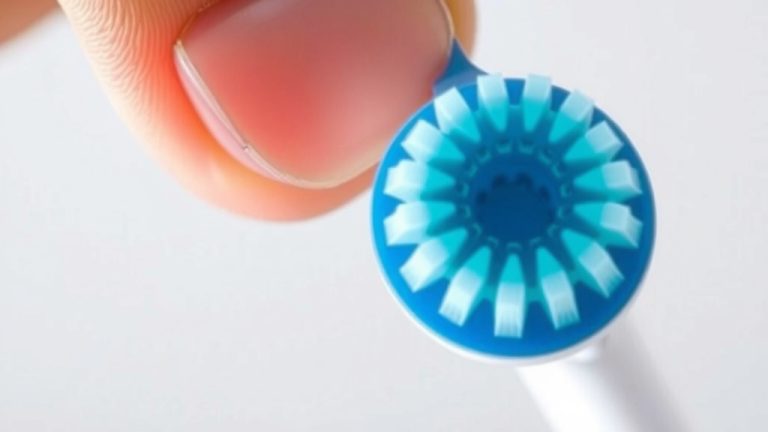
Many electric toothbrushes feature oscillating-rotating heads. This means the head spins back and forth. Some also pulsate to break up plaque. This action is highly effective. Research has shown these movements can remove significantly more plaque. This is compared to manual brushing, even with good technique (CDC). This consistent, high-speed motion is hard to replicate by hand.
Sonic Technology: A Different Kind of Buzz
Other electric models use sonic technology. These brushes vibrate at very high speeds. They create thousands of brush strokes per minute. These vibrations create fluid dynamics. This helps clean beyond where the bristles actually touch. It can reach slightly further between teeth and along the gumline. This gentle, yet powerful, action is a key advantage for many users.
Effectiveness in Plaque Removal
When it comes to getting rid of plaque, electric toothbrushes generally have an edge. Numerous studies have concluded that they are often more effective. This is especially true for reducing gingivitis. Gingivitis is the early stage of gum disease. The powered motion is consistent. It can target plaque more efficiently than manual scrubbing.
Manual brushes require a lot of precision. You need to use the correct angles and strokes. Many people miss spots or apply too much pressure. This can lead to ineffective cleaning. Or, it can even cause damage to gums or enamel. An electric brush takes some of that guesswork out of the equation.
Ease of Use and Accessibility
One of the biggest draws of electric toothbrushes is their simplicity. You don’t need to be a dental expert to use one effectively. Simply place the brush head on each tooth surface. Let the brush do the work. This makes them ideal for children. They are also great for individuals with limited dexterity. This includes people with arthritis or carpal tunnel syndrome.
Using a manual toothbrush effectively demands good motor skills. You need to carefully move the brush. You must reach all surfaces of your teeth. This can be challenging for some. An electric brush makes consistent cleaning much more achievable. It’s like having a mini-dentist assist you twice a day!
Benefits for Specific Oral Health Needs
For those prone to gum recession or sensitive teeth, electric brushes can be a godsend. Many models come with built-in pressure sensors. These alert you if you’re pressing too hard. This prevents damage to your gums and enamel. This is a common problem with manual brushing. It’s also easier to control the amount of pressure applied with an electric brush.
Furthermore, electric toothbrushes can encourage better brushing habits. Many models have built-in timers. These ensure you brush for the dentist-recommended two minutes. Some even have quadrant timers. They prompt you to move to a different section of your mouth. This ensures an even clean. This consistent timing can lead to a healthier mouth over time.
Cost Considerations: Initial Investment vs. Long-Term Value
Let’s talk about money. Manual toothbrushes are incredibly affordable. You can buy a pack for just a few dollars. You replace them every few months. Electric toothbrushes, however, have a higher upfront cost. A good quality electric toothbrush can range from $20 to over $100.
But consider the long game. The replacement heads for electric brushes are also an ongoing expense. These typically need to be replaced every three months, just like a manual brush. Over the years, the cost difference can add up. However, many people find the improved cleaning and gum health justifies the expense. You might also save on dental bills in the long run.
Which One is Right for You? A Quick Checklist
To help you decide, think about these points:
- Do you struggle to brush for the full two minutes?
- Do you have dexterity issues or limited hand strength?
- Are you looking for the most effective plaque removal?
- Do you want built-in features like timers and pressure sensors?
- Is your budget comfortable with an initial higher investment?
- Do you prefer a simple, no-frills brushing experience?
Comparing the Key Features at a Glance
Here’s a quick table to summarize the main points:
| Feature | Electric Toothbrush | Manual Toothbrush |
|---|---|---|
| Plaque Removal | Generally more effective, especially with powered heads. | Effective with proper technique, but often less so. |
| Ease of Use | Very easy; does the work for you. | Requires good technique and manual effort. |
| Features | Timers, pressure sensors, multiple modes, app connectivity (on some models). | Basic design. |
| Cost | Higher initial cost; ongoing cost for replacement heads. | Very low initial cost; low replacement cost. |
| Gum Health | Pressure sensors can protect gums. Powered motion can be gentler. | Risk of gum damage from over-brushing if technique is poor. |
| Portability | Requires charging or batteries; bulkier. | Lightweight, no power needed, very portable. |
Ultimately, the best toothbrush is the one you will use consistently and correctly. Both types can maintain good oral hygiene. But electric brushes often make achieving that excellent clean much easier for most people. Your dentist can also offer personalized advice based on your specific oral health needs.
Conclusion
Choosing between an electric and manual toothbrush comes down to your personal needs and preferences. Electric brushes often provide a more efficient clean with less effort, especially if you struggle with technique or dexterity. Manual brushes are an affordable, portable option that still work well when used correctly. Think about your daily routine, any specific oral health concerns you have, and your budget. Ultimately, the best toothbrush is the one you’ll use consistently to keep your smile healthy. If you’re unsure, talk to your dentist for a recommendation tailored to you.
Frequently Asked Questions
Do electric toothbrushes really make a difference for gum health?
Yes, many users find electric toothbrushes beneficial for gum health. Features like built-in pressure sensors help prevent you from brushing too hard, which can damage gums. The consistent powered motion can also be gentler on your gumline compared to aggressive manual scrubbing.
Can children use electric toothbrushes effectively?
Absolutely! Electric toothbrushes can be great for children because they do most of the work for you. This makes it easier for kids to achieve a good clean. Many children also find the fun designs and vibrations more engaging than a manual brush.
How often should I replace the brush head on an electric toothbrush?
You should replace the brush head on your electric toothbrush just like you would a manual toothbrush, typically every three to four months. This ensures the bristles remain effective for cleaning and haven’t frayed, which can reduce their cleaning power and potentially harm your gums.
Is an electric toothbrush better if I have braces?
Electric toothbrushes can be very helpful for cleaning around braces. The smaller brush heads and powered movements can often reach plaque and food particles trapped by the brackets and wires more effectively than a manual brush. Look for specialized brush heads designed for braces.
If I switch to an electric toothbrush, will I feel a difference immediately?
Many people report feeling a noticeably cleaner sensation right after their first use of an electric toothbrush. Your teeth might feel smoother, and your mouth might feel fresher. However, the long-term benefits for plaque reduction and gum health develop over consistent daily use.