Electric vs Battery Toothbrush: Full Guide
When choosing between an electric toothbrush and a battery-powered one, you might wonder which is truly the best for your smile. Research shows that electric toothbrushes generally offer a superior clean, thanks to their advanced cleaning technologies and ease of use, making them a top choice for most people looking to improve their oral hygiene.
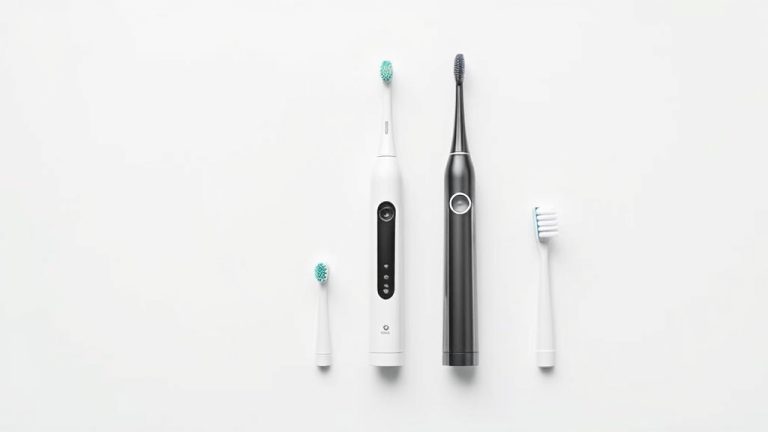
Both types aim to remove plaque and food debris, but they do so with different mechanisms. Battery-powered brushes often mimic manual brushing, while electric models typically use oscillating or sonic vibrations. We found that the effectiveness often comes down to the technology and how well you use it. Getting a dentist-approved clean at home is the goal.
- Electric toothbrushes typically provide a better clean than battery-powered ones.
- Battery toothbrushes are often more affordable and portable.
- Electric models offer features like timers and pressure sensors.
- Your brushing technique still matters, regardless of the type.
- Both can be effective with proper use.
Let’s break down the key differences and help you decide which type of toothbrush is the right fit for your daily routine and your unique dental needs.
Electric vs. Battery Toothbrushes: Which Cleans Better?
Choosing the right toothbrush is a big step for your oral health. You want something effective and easy to use. We’ve looked into how electric and battery-powered toothbrushes stack up. Research and many dental professionals suggest that electric toothbrushes often lead to better plaque removal and improved gum health compared to manual brushing.
But what exactly makes one better than the other? It really comes down to the technology and how it helps you clean your teeth. Let’s get into the details so you can make an informed choice for your smile.
Understanding the Mechanics: How They Work
You might be wondering how a simple battery can make a toothbrush “electric.” These brushes use a small motor powered by batteries. This motor creates movement in the brush head. It’s designed to do some of the work for you. Battery-powered toothbrushes are a step up from manual brushes. They add a bit of mechanical action to your routine.
Battery-Powered Toothbrushes: The Basics
Think of a battery-powered toothbrush as a manual toothbrush with a little help. They typically run on AA or AAA batteries. You still need to guide the brush head across your teeth. The main difference is that the batteries power the bristles to vibrate or oscillate. This can help loosen plaque more effectively than just your hand alone. Many find them to be a good entry point into powered brushing.
Electric Toothbrushes: The Advanced Clean
Electric toothbrushes, on the other hand, are generally more robust. They have rechargeable batteries and a more powerful motor. The brush head movements are often more sophisticated. They can be either oscillating-rotating or sonic. Oscillating-rotating heads spin back and forth. Sonic brushes vibrate at very high speeds. These advanced movements are designed for a deeper clean. They can reach areas that are harder to access.
Key Differences to Consider
When you compare these two types, several factors stand out. It’s not just about the power source. The way they clean, the features they offer, and of course, the cost, all play a role in your decision.
Cleaning Technology and Effectiveness
This is where electric toothbrushes really shine. Studies have shown that electric models, especially oscillating-rotating ones, are highly effective at removing plaque. The consistent, high-speed movements can sweep away more debris. Sonic toothbrushes also provide a powerful clean. Their vibrations create dynamic fluid action. This helps clean between teeth and along the gumline (Cochrane Database of Systematic Reviews).
Battery-powered brushes offer some benefit over manual ones. The added vibration helps. However, they typically don’t match the plaque-fighting power of a good electric toothbrush. The movements might be less intense. You might also find yourself needing to work a bit harder to achieve a similar level of clean.
Ease of Use and Features
Electric toothbrushes often come with helpful features. Many have built-in timers. These ensure you brush for the dentist-recommended two minutes. Some even have pressure sensors. These alert you if you’re brushing too hard. This is great for protecting your gums and enamel. The powered movement means you use less physical effort. This can be a big plus for people with limited mobility or dexterity.
Battery-powered toothbrushes are simpler. They usually don’t have timers or pressure sensors. You’ll need to rely on your own sense of time and pressure. While simpler, this means you might miss out on some of the guidance that electric models offer. Still, they are generally easier to maneuver than a manual brush.
Cost and Maintenance
When it comes to initial cost, battery-powered toothbrushes are usually much more affordable. You can find them for a fraction of the price of an electric model. The replacement heads for battery brushes are also typically less expensive.
Electric toothbrushes represent a larger upfront investment. However, you need to consider the long-term benefits. The rechargeable nature means no frequent battery replacements. While the replacement heads for electric brushes can be pricier, many users find the improved clean and added features justify the cost. It’s like choosing between a basic car and one with all the bells and whistles – both get you there, but one might offer a smoother ride.
Portability and Travel
If you travel often, portability is key. Battery-powered toothbrushes are often smaller and lighter. They don’t require a charger, just spare batteries. This makes them a convenient travel companion. You don’t have to worry about packing a charging base.
Many electric toothbrushes now come with travel cases. Some even have USB charging options. While they require a charger, modern designs are becoming more travel-friendly. You might need to plan a bit more, but it’s certainly doable.
Making Your Choice: What’s Right for You?
So, you’ve seen the differences. Now, how do you decide? Think about your personal needs and preferences. What are your goals for your oral hygiene routine?
Who Should Consider a Battery-Powered Toothbrush?
These are a fantastic option if you’re on a tighter budget. They are also great if you want to try a powered brush without a big commitment. Travelers who prioritize lightweight packing might lean this way. Plus, if you have very strong brushing habits and don’t need extra guidance, they can work well.
Who Will Benefit Most from an Electric Toothbrush?
If you’re looking for the most effective plaque removal and improved gum health, an electric toothbrush is likely your best bet. People who want help with their brushing technique (like timers and pressure sensors) will find them invaluable. Those with physical limitations that make manual brushing difficult will also see significant benefits. Many dental professionals recommend them for a superior clean.
| Feature | Battery-Powered Toothbrush | Electric Toothbrush |
|---|---|---|
| Cleaning Power | Good, a step up from manual | Excellent, superior plaque removal |
| Ease of Use | Simple, requires manual guidance | Very easy, powered movement, often has guides |
| Extra Features | Typically none | Timers, pressure sensors, app connectivity (sometimes) |
| Cost (Initial) | Low | High |
| Cost (Ongoing) | Moderate (batteries, replacement heads) | Moderate (replacement heads) |
| Portability | Excellent | Good (improving with travel cases) |
A Quick Checklist for Your Decision
To help solidify your choice, ask yourself these quick questions:
- Do you want the most effective clean possible?
- Are you looking for features to guide your brushing?
- What is your budget for the initial purchase?
- How important is portability for your lifestyle?
- Do you have any specific dental concerns (like sensitive gums)?
Answering these can point you in the right direction. Remember, both types can be effective when used correctly. Your brushing technique still matters a lot, no matter which brush you choose!
Conclusion
Deciding between an electric and a battery-powered toothbrush comes down to your personal priorities. While both can improve your oral hygiene, research suggests electric toothbrushes generally offer a superior clean with advanced features. Battery-powered brushes remain a great budget-friendly and portable option. Consider your budget, desired cleaning effectiveness, and any features that might help you brush better. Ultimately, the best brush is the one you’ll use consistently and correctly every day. Why not take a moment now to compare prices or read reviews for models that caught your eye?
Frequently Asked Questions
Can a battery-powered toothbrush really be effective?
Yes, a battery-powered toothbrush can be effective. It offers more cleaning power than a manual brush due to its vibrations. You still need to use proper brushing technique, but it’s a good option if you’re on a budget or traveling frequently.
Do I need to replace the brush heads on a battery toothbrush?
Yes, you do need to replace the brush heads on a battery-powered toothbrush. Most manufacturers recommend replacing them every three months, just like with manual or electric toothbrushes. This ensures the bristles remain effective for cleaning and are hygienic.
Is an electric toothbrush worth the higher initial cost?
For many people, an electric toothbrush is worth the investment. They often provide a more thorough clean, helping to remove more plaque and reduce gum disease. Features like timers and pressure sensors can also improve your brushing habits significantly.
Are electric toothbrushes too powerful for sensitive gums?
Not necessarily. Many electric toothbrushes come with pressure sensors that alert you if you’re brushing too hard. You can also find models with different brushing modes, including gentler settings specifically designed for sensitive gums.
Can I use my electric toothbrush without charging it?
Most rechargeable electric toothbrushes need to be charged to operate. While some might hold a charge for a few weeks, they won’t function if the battery is depleted. You’ll need to keep them charged, especially if you plan to travel with one.