Electric Toothbrush Vibrating vs Rotating
Choosing between a vibrating and rotating electric toothbrush largely depends on your personal preference and dental needs. Both types are effective at cleaning teeth, but they achieve it differently. Rotating brushes often feel more intense, while vibrating ones offer a gentler, quieter experience. The best choice is the one you’ll use consistently.
Your oral hygiene routine is important. We found that electric toothbrushes can significantly improve plaque removal compared to manual brushing. Understanding the subtle differences between vibrating (sonic) and rotating (oscillating-rotating) technology helps you make an informed decision. Many dentists agree that the technique and consistency matter most for a healthy smile.
- Rotating brushes spin back and forth.
- Vibrating (sonic) brushes move side to side rapidly.
- Both are better than manual brushing for plaque.
- Choose the one that feels best for your mouth.
- Consistency in brushing is key.
Let’s dive into the specific ways these two popular electric toothbrush types work and what makes them unique. We’ll help you figure out which one might be the perfect match for your smile.
You’ve decided to upgrade your brushing game with an electric toothbrush. That’s fantastic! Now you’re staring at the options, and two main types stand out: the vibrating (often called sonic) and the rotating (also known as oscillating-rotating). They both promise cleaner teeth, but how do they get there? Let’s break down the differences so you can choose the right tool for your smile.
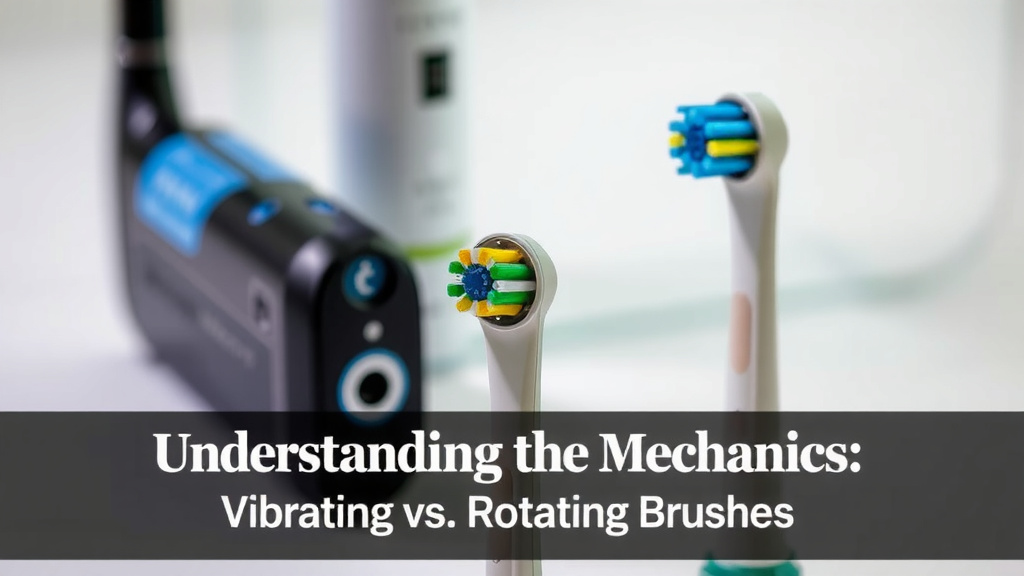
Understanding the Mechanics: Vibrating vs. Rotating Brushes
The core difference lies in how the brush head moves. Think of it like two different dance styles for your teeth. Both aim to scrub away plaque, but their steps are quite distinct.
The Power of Vibration: Sonic Toothbrushes
Sonic toothbrushes operate with a high-frequency vibration. The brush head moves incredibly fast, side-to-side, at speeds that can reach tens of thousands of movements per minute. This rapid movement creates a dynamic cleaning action. It doesn’t just scrub the surface; the vibrations also agitate the fluid (like toothpaste and saliva) around your teeth and gums. This fluid action can help clean even those hard-to-reach spots.
Many people describe the sensation as a gentle buzzing. You typically guide the brush head along your teeth, letting the vibrations do the work. This method is often favored for its comfort and effectiveness in removing plaque.
How Sonic Brushes Clean
- High-Speed Oscillations: The bristles move rapidly back and forth.
- Fluid Dynamics: The vibrations create turbulence in your mouth. This helps dislodge plaque beyond direct bristle contact.
- Gentle Yet Effective: The fast, small movements can be less abrasive than some rotating models.
The Swirling Action: Oscillating-Rotating Toothbrushes
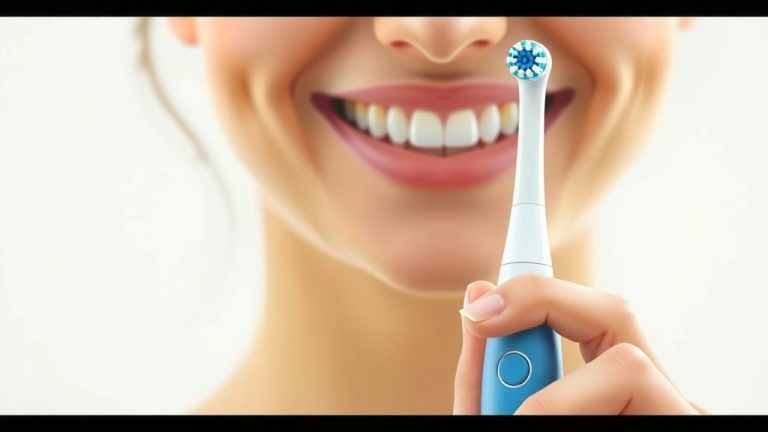
On the other hand, oscillating-rotating toothbrushes use a brush head that typically oscillates (spins back and forth) in a circular or semi-circular motion. Some models also incorporate a pulsating motion, moving in and out, to help break up plaque before sweeping it away. These heads are often smaller and rounder, designed to cup each tooth individually.
The cleaning action here feels more like a vigorous scrub. You’ll feel the head actively spinning and twisting against your teeth. This direct, powerful action is excellent at sweeping away plaque from the tooth surface and along the gumline.
How Rotating Brushes Clean
- Oscillating Movements: The head spins in a back-and-forth motion.
- Pulsating Action: Some models add an in-and-out pulse to loosen plaque.
- Targeted Cleaning: The smaller, round heads can focus on individual teeth.
Comparing the Cleaning Experience and Effectiveness
Both technologies are scientifically proven to be more effective than manual toothbrushes at removing plaque. However, the way they achieve this and the sensation they provide can differ, influencing which one you might prefer.
Plaque Removal: A Closer Look
Research and clinical studies have consistently shown that both sonic and oscillating-rotating electric toothbrushes significantly outperform manual brushes in reducing plaque. For instance, one review found that oscillating-rotating brushes were slightly better at reducing plaque and gingivitis compared to sonic brushes, though both were superior to manual brushing (Cochrane Database of Systematic Reviews).
However, the difference between the two electric types is often considered minor. Your brushing technique and how often you brush play a much larger role in overall plaque control than the slight variations in technology. Consistent, thorough brushing is the real champion here.
User Experience: What Does It Feel Like?
This is where personal preference really shines. A sonic toothbrush offers a quieter, less intense feeling. The high-speed vibrations might feel strange at first, but many find it to be a comfortable way to clean. It’s often recommended for people with sensitive gums or teeth, or those who find the more vigorous action of rotating brushes uncomfortable.
An oscillating-rotating brush, with its spinning head, can feel more powerful. Some users love this intense cleaning sensation, feeling like they’re getting a really deep clean. Others might find it a bit too much, especially if they tend to press too hard. Many models come with pressure sensors to help prevent this.
| Feature | Sonic (Vibrating) | Oscillating-Rotating |
|---|---|---|
| Movement Type | High-speed side-to-side vibrations | Circular/semi-circular back-and-forth rotation, sometimes with pulsation |
| Sensation | Gentle buzzing, fluid action | Vigorous scrubbing, direct contact |
| Brush Head Shape | Typically elongated, like a manual toothbrush | Often smaller and round |
| Cleaning Action | Aims to clean with bristle contact and fluid dynamics | Directly sweeps and polishes teeth |
| Plaque Removal | Very effective, superior to manual | Very effective, often slightly more effective than sonic in studies, superior to manual |
| Recommended For | Sensitive teeth/gums, preference for gentler feel | Those who prefer a powerful scrubbing sensation, seeking maximum plaque removal |
Making the Right Choice for Your Smile
So, which one is right for you? It boils down to what feels best in your mouth and what you’re most likely to use consistently. Think about your past experiences with brushing and what you’re looking for in a toothbrush.
Consider Your Gum Sensitivity
If you have naturally sensitive gums or teeth, a sonic toothbrush might be a gentler starting point. The way the vibrations work can be less irritating than the direct scrubbing of a rotating head. However, with a good oscillating-rotating brush that has a pressure sensor, you can still achieve a great clean without causing damage.
What Kind of Clean Do You Prefer?
Do you like the feeling of a thorough, almost polishing scrub? An oscillating-rotating brush might be your favorite. If you prefer a feeling that’s effective but less intense, a sonic brush could be a better fit. Many dental professionals suggest trying both if possible, or talking to your dentist about their recommendations for your specific oral health needs.
Think About Ease of Use
Both types are designed to be easy to use. You generally hold the brush head in place on each tooth for a few seconds. For sonic brushes, you let the vibration do the work. For oscillating-rotating brushes, you guide the head along the tooth surface. Ultimately, the best electric toothbrush is the one that encourages you to brush for the dentist-recommended two minutes, twice a day.
Your Checklist for Choosing:
- Think about your gum sensitivity.
- Consider the cleaning sensation you prefer.
- Read reviews about durability and battery life.
- Check for helpful features like pressure sensors or timers.
- Factor in the cost of replacement brush heads.
- Remember that consistency is more important than the specific technology.
Conclusion
You’ve learned that both vibrating (sonic) and rotating (oscillating-rotating) electric toothbrushes are excellent tools for superior plaque removal compared to manual brushing. Your ideal choice hinges on personal comfort and preference, not just which one technically removes slightly more plaque in lab studies. If you have sensitive gums, a sonic brush might feel gentler. If you prefer a powerful scrubbing sensation, a rotating brush could be your pick. Ultimately, the best electric toothbrush is the one that encourages you to brush consistently for two minutes, twice a day. Talk to your dentist about what’s best for your unique smile.
Frequently Asked Questions
Are sonic toothbrushes really better for sensitive gums?
Many users find sonic toothbrushes gentler due to their high-speed vibrations. This can be less irritating than the direct scrubbing of a rotating brush head. However, with proper technique and a pressure sensor, a rotating brush can also be safe for sensitive gums.
Can a sonic toothbrush clean as effectively as a rotating one?
Both types are highly effective at plaque removal, significantly better than manual brushing. While some studies show a slight edge for oscillating-rotating brushes, the difference is generally minor. Consistency and technique play a much larger role in your overall cleaning results.
How do I know if I’m pressing too hard with an electric toothbrush?
Many electric toothbrushes, especially oscillating-rotating models, come equipped with pressure sensors. These typically light up or change vibration patterns to alert you if you’re applying too much force. This helps prevent gum damage and wear on your teeth.
What is the “fluid dynamics” cleaning action that sonic brushes use?
This refers to how the rapid vibrations of a sonic toothbrush agitate the toothpaste and saliva mixture in your mouth. This fluid movement helps to dislodge plaque and debris from areas that the bristles may not directly touch, offering a dynamic clean.
Which type of electric toothbrush is usually more expensive?
Generally, the initial cost of both types can vary widely by brand and features. However, replacement brush heads for both sonic and oscillating-rotating brushes need to be factored into the long-term cost. It’s wise to compare prices for both the unit and its replacement heads.