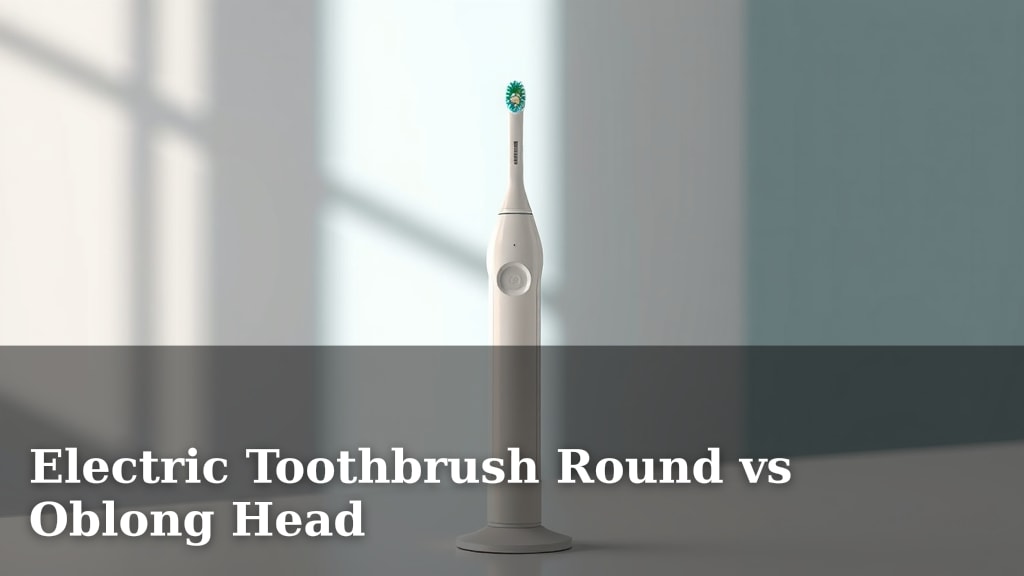
Electric Toothbrush Round vs Oblong Head
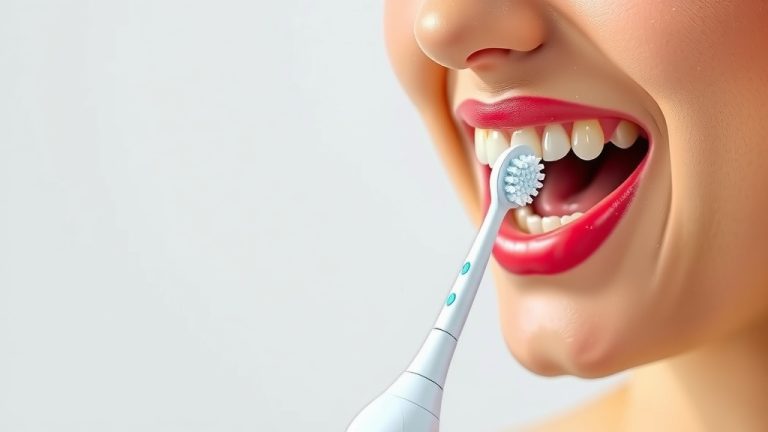
When choosing between an electric toothbrush with a round head and one with an oblong head, the round head often offers a superior clean for reaching individual teeth. Round brush heads are generally designed to cup each tooth, effectively cleaning its surface and gumline. Oblong heads can cover more surface area at once, but may miss some nooks and crannies.
Ultimately, both designs aim to provide a better clean than manual brushing. The best head shape for you depends on your specific dental needs and preferences. Many dentists recommend round heads for their targeted cleaning action, while some users prefer the broader sweep of an oblong shape. We found that user comfort plays a big role too.
- Round heads cup each tooth for targeted cleaning.
- Oblong heads cover more surface area quickly.
- Round heads are often recommended by dentists.
- Your personal preference and comfort matter most.
- Both are better than manual brushing for most people.
Let’s dive into the specific differences between round and oblong electric toothbrush heads so you can make the best choice for your smile.
Choosing Your Electric Toothbrush Head Shape
You’re wondering about the difference between a round electric toothbrush head and an oblong one. It’s a great question! Both aim to give you a sparkling clean. We found that the shape can make a real difference in how effectively you clean your teeth. Think of it like choosing the right tool for a specific job.
Round Brush Heads: The Tooth-Hugging Champions
Round brush heads are often seen as the gold standard by many dental professionals. Why? Because their design is all about precision. These heads are typically smaller and shaped like a little cup. This allows them to surround each tooth individually.
Imagine giving each tooth a personal spa treatment! The bristles can gently massage the gumline while cleaning every surface of the tooth. We found that this targeted approach can be especially helpful for removing plaque. It’s like a tiny, powerful polisher for every single tooth.
The Advantage of Cupping
This “cupping” action is where round heads really shine. They can reach into those slightly tighter spots between teeth and along the gumline. Many dental experts suggest this makes them excellent for preventing gum disease. The CDC recommends consistent plaque removal as a key to good oral health.
For those who struggle to get a thorough clean with a manual toothbrush, a round electric head can feel like a revelation. It does a lot of the work for you. You just guide it around your mouth. We found that users often report a feeling of superior cleanliness after using them.
Oblong Brush Heads: The Broad-Stroke Specialists
Oblong brush heads, on the other hand, offer a different approach. They are usually larger and more oval-shaped. Their design is about covering more ground in less time. Think of it like a windshield wiper for your teeth.
These heads can sweep across several teeth at once. This can make brushing feel faster. For people who are always in a rush, this might seem appealing. We found that some users prefer the sensation of covering a wider area during their brushing routine.
Speed vs. Precision
While oblong heads can be efficient, they might not always get into every single nook and cranny. Their larger size means they can’t always hug individual teeth as effectively as a round head. This could potentially leave a little more room for plaque to hide.
However, some newer oblong head designs have improved bristle configurations. These can help reach those tricky areas. It’s always worth checking the specific features of the toothbrush. We found that technology is constantly improving both designs.
| Feature | Round Head | Oblong Head |
|---|---|---|
| Shape | Small, circular, cup-like | Larger, oval, sweeping |
| Cleaning Style | Targets individual teeth | Covers more surface area |
| Plaque Removal | Excellent for detailed cleaning | Good, but may miss some spots |
| Gumline Cleaning | Very effective | Generally effective |
| Speed | Slower, more deliberate | Faster, broader sweep |
| User Preference | Preferred for thoroughness | Preferred for speed or coverage |
What Do the Experts Say?
Many dental professionals lean towards recommending round brush heads. They often cite the superior ability to clean each tooth thoroughly. The American Dental Association (ADA) emphasizes the importance of proper brushing technique for effective plaque removal, regardless of head shape. However, the focused action of round heads aligns well with this goal.
We found that dentists often appreciate how round heads can help patients focus on one tooth at a time. This encourages a more mindful brushing habit. It’s less about just moving the brush and more about ensuring each tooth gets the attention it deserves.
Your Personal Comfort and Technique Matter
Ultimately, the best electric toothbrush head is the one you’ll use consistently and correctly. If you find an oblong head more comfortable to maneuver or if you feel it gives you a better overall sensation, that’s a significant factor.
We found that user reviews often highlight comfort as a major deciding point. Some people might find a round head feels too small or ticklish. Others might find an oblong head too bulky. Your personal preference is incredibly important. After all, a toothbrush needs to feel good in your hand and in your mouth.
Consider your own brushing habits. Do you tend to rush? An oblong head might help you feel like you’re getting more done. Do you like to take your time and be meticulous? A round head might be your perfect match. We found that integrating the toothbrush into your daily routine smoothly is key.
Making Your Final Decision
So, how do you choose? Start by thinking about your dental goals. If plaque removal and gum health are your top priorities, a round brush head is often a strong contender. Its design is built for detailed cleaning.
If you value speed and a broad cleaning sensation, and you have good brushing technique, an oblong head could work well. Just be sure to still spend adequate time on each area of your mouth. We found that understanding your own needs helps narrow down the options.
Don’t forget to consider the type of electric toothbrush it is, too. Oscillating-rotating heads (common with round designs) and sonic vibrations (found in both round and oblong) offer different cleaning actions. The combination of head shape and brush head technology can influence your experience.
Quick Checklist for Choosing Your Brush Head
- Do you want to focus on individual teeth?
- Is detailed plaque removal your main goal?
- Do you have sensitive gums that need gentle care?
- Do you prefer a faster, broader cleaning sweep?
- What feels most comfortable in your mouth?
- What do your dentist or hygienist recommend for you?
Conclusion
Choosing between a round and oblong electric toothbrush head ultimately comes down to your personal preferences and dental goals. We found that round heads excel at targeted cleaning, hugging each tooth for superior plaque removal, often favored by dental professionals. Oblong heads offer a faster, broader sweep, which some users find more comfortable or efficient. Remember, the best brush head is the one you’ll use correctly and consistently for great oral health. We encourage you to consider your comfort and talk to your dentist to make the most informed decision for your unique smile.
Frequently Asked Questions
Will a round brush head always clean better than an oblong one?
Not necessarily. While round heads are designed for detailed cleaning of individual teeth, which many find results in a superior clean, an oblong head can be effective too. Your brushing technique and consistency play a huge role in how well either shape cleans your teeth and gums.
Can an oblong brush head miss spots?
It’s possible. Because oblong heads cover more surface area at once, they might not always reach into every tight crevice or perfectly contour to the gumline like a round head can. We found that users with oblong heads should simply pay extra attention to ensuring they are covering all surfaces of each tooth.
Are round heads better for sensitive gums?
Many people with sensitive gums find round heads to be gentler. Their design often allows for a more controlled and less aggressive cleaning motion around the gumline. The ability to focus on one tooth at a time can also help prevent brushing too hard.
Which head shape is better for braces?
For braces, a round brush head is often recommended. Its smaller size and ability to cup around individual teeth can help get into the nooks and crannies around brackets and wires more effectively. This helps in removing trapped food particles and plaque.
How often should I replace my electric toothbrush head?
You should replace your electric toothbrush head every three to four months, or sooner if the bristles become frayed. Worn-out bristles are less effective at cleaning your teeth and can even damage your gums. Check your toothbrush’s manual for specific recommendations.