Brush Your Teeth With Electric Toothbrush: Guide
Yes, you can absolutely brush your teeth with an electric toothbrush! In fact, many dental professionals recommend them. They often do a better job of removing plaque and reducing gingivitis than manual brushes. You’ll likely find your teeth feel much cleaner. It’s a simple switch for better oral health.
Using an electric toothbrush might seem a bit different at first. But don’t worry, it’s not complicated. We found that these brushes can help you reach areas you might miss with a manual one. This can lead to healthier gums and a brighter smile. Plus, many people find them easier to use, especially those with limited mobility.
- Electric toothbrushes clean better than manual ones.
- They help remove more plaque and reduce gum issues.
- You’ll likely notice your teeth feel noticeably cleaner.
- They can be simpler to handle for many people.
- It’s an easy way to improve your daily brushing.
Ready to give your smile a boost? Let’s walk through exactly how to get the most out of your electric toothbrush.
You’ve probably seen them everywhere – those sleek, humming toothbrushes. Maybe you’re curious if they’re really worth the hype. We’ve found that making the switch to an electric toothbrush can really change your oral hygiene game. Let’s get you up to speed on how to use one like a pro.
Mastering Your Electric Toothbrush Technique
Using an electric toothbrush is a bit different than what you’re used to. It’s more about guiding the brush than scrubbing. Think of it as letting the toothbrush do the hard work for you. We’ve learned that a gentle touch is key for the best results.
Getting Started: Your First Brush
Before you even turn it on, put a pea-sized amount of toothpaste on the brush head. Don’t wet the brush first, as this can cause toothpaste to splatter. Just get the toothpaste on there and then place the brush against your teeth.
Powering Up for a Clean Smile
Turn the toothbrush on once it’s in your mouth. This small step helps **prevent toothpaste from flying everywhere**. Now you’re ready to start brushing. Remember, the electric toothbrush vibrates or rotates on its own.
The Gentle Approach to Brushing
Let the brush do the work. You just need to guide it from tooth to tooth. Apply **very little pressure**. Many electric toothbrushes have pressure sensors that will alert you if you’re pushing too hard. You’re aiming for a gentle sweep. Many dental professionals recommend using a light pressure, similar to tracing the shape of your teeth (American Dental Association).
Coverage is Key: Reaching Every Spot
Think about dividing your mouth into sections. Spend about 30 seconds on each quadrant: upper right, upper left, lower right, and lower left. This ensures you don’t miss any areas. You can even angle the brush slightly towards your gum line.
Focusing on the Gum Line
This is where plaque loves to hide. Gently place the bristles along the gum line. Allow the brush to clean there for a few seconds before moving to the next tooth. Many sources suggest angling the brush head at about a 45-degree angle to the gums (Cleveland Clinic).
Don’t Forget the Inner Surfaces
It’s easy to focus on the outside. Make sure you also brush the inside surfaces of all your teeth. Then, give the chewing surfaces a good sweep. This thoroughness helps **remove more plaque** than you might think.
How Long Should You Brush?
Most dentists recommend brushing for at least **two minutes**. Some electric toothbrushes have built-in timers. These often signal every 30 seconds, reminding you to switch to a new quadrant of your mouth. This timer feature is super helpful for ensuring adequate brushing time.
Understanding Different Electric Toothbrush Features
Not all electric toothbrushes are created equal. They come with a variety of features designed to enhance your cleaning experience. Knowing what these features do can help you get the most out of your brush.
Brush Head Types and Their Benefits
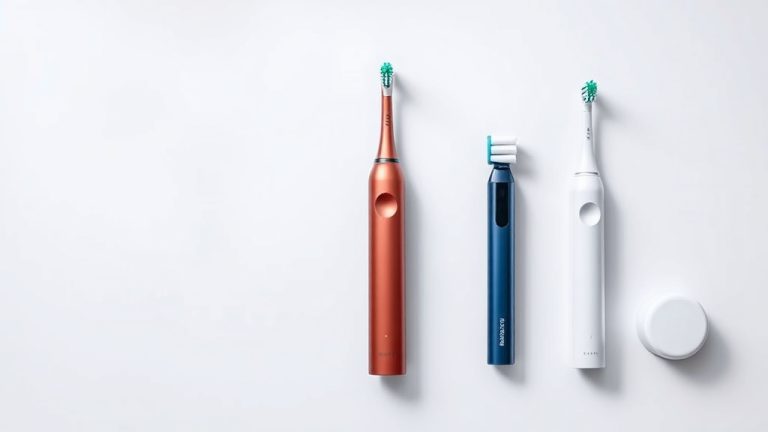
You’ll find different brush head shapes and bristle types. Some are designed for sensitive gums, while others offer a deeper clean. We’ve found that some brush heads have angled bristles to reach between teeth better. Others might have polishing cups for stain removal.
Smart Features for Smarter Brushing
Many modern electric toothbrushes include smart features. These can include pressure sensors, timers, and even Bluetooth connectivity. The Bluetooth feature connects your toothbrush to an app on your phone. This app can track your brushing habits and offer personalized feedback. It’s like having a dental coach in your pocket!
Power Options: Rechargeable vs. Battery-Operated
Most electric toothbrushes are rechargeable. They come with a charging base that keeps them ready to go. Battery-operated models are also available, often at a lower price point. These use standard AA or AAA batteries. Rechargeable models are generally preferred for their convenience and power.
Maintaining Your Electric Toothbrush for Optimal Performance
Just like any tool, your electric toothbrush needs a little care. Keeping it clean and well-maintained ensures it works effectively for a long time.
Cleaning the Brush Head
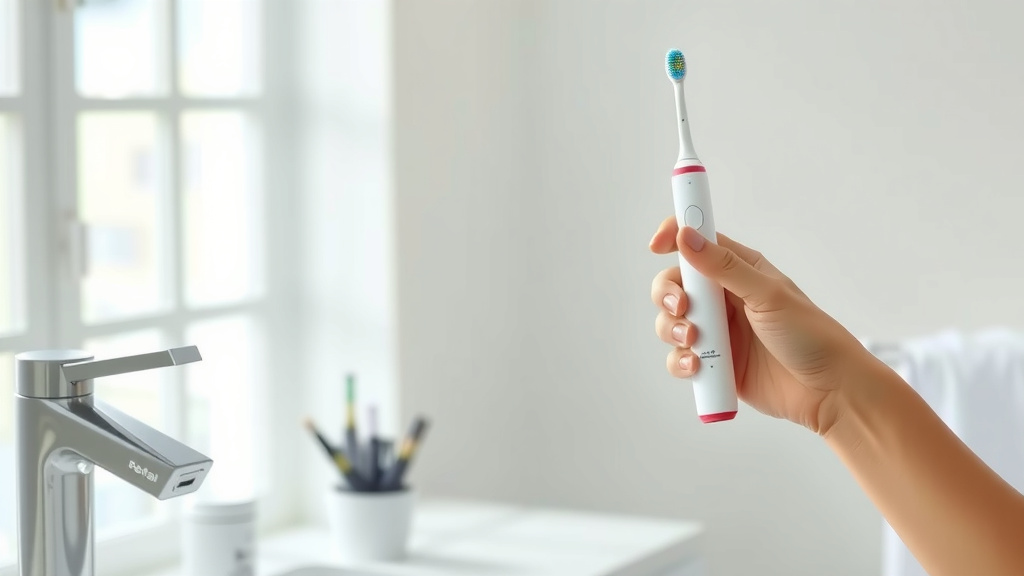
Rinse the brush head thoroughly with water after each use. This removes any toothpaste residue. Let the brush head air dry. Some people prefer to store their toothbrush upright to help it dry completely.
Replacing the Brush Head
Brush heads wear out over time. The bristles can fray and become less effective. Most manufacturers recommend replacing the brush head every **three to four months**. Some electric toothbrushes even have indicator bristles that fade to let you know it’s time for a change. This is a small step with a big impact on your cleaning power.
Storing Your Toothbrush
Keep your electric toothbrush clean and dry between uses. Avoid storing it in a closed container, as this can promote bacterial growth. A countertop stand or holder is usually best.
Common Questions Answered
You might have a few lingering questions. We’ve gathered some common ones to help clear things up.
Is it safe to use an electric toothbrush?
Yes, electric toothbrushes are very safe for daily use. They are designed to clean effectively without causing damage to your teeth or gums. When used with proper technique, they are an excellent tool for oral hygiene (National Health Service).
Can an electric toothbrush harm my gums?
When used correctly, an electric toothbrush is not harmful to your gums. In fact, many studies show they can help **reduce gingivitis** and improve gum health compared to manual brushing. Just remember to use light pressure. If you experience any discomfort, consult your dentist.
What’s the difference between oscillating-rotating and sonic toothbrushes?
Oscillating-rotating brushes have a small, round head that spins back and forth. Sonic toothbrushes have a more traditional brush head shape but vibrate at very high speeds. Both types are effective at cleaning teeth. We’ve found that personal preference often dictates which one people like best. Research has shown both are highly effective at removing plaque (Cochrane Review).
Do I still need to floss with an electric toothbrush?
Yes, absolutely! An electric toothbrush cleans the surfaces of your teeth very well. However, it cannot reach the tight spaces between your teeth and under the gum line where floss is essential. Flossing removes food particles and plaque that brushing can’t reach. It’s an important part of a complete oral care routine.
Ready to make the switch? You’re now equipped with the knowledge to brush your teeth with an electric toothbrush effectively. Your smile will thank you!
Conclusion
You’ve learned how simple it is to transition to an electric toothbrush. We’ve covered how to use it effectively, from the gentle technique to ensuring you cover every surface. Remember, letting the brush do the work and using light pressure is key. Maintaining your brush by cleaning the head and replacing it regularly means you’ll always get a superior clean. Making this switch is a smart step towards a healthier, brighter smile. Give it a try — your mouth will feel the difference!
Frequently Asked Questions
How often should I replace my electric toothbrush head?
Most dentists and manufacturers suggest replacing your electric toothbrush head every three to four months. Over time, the bristles can fray and become less effective at cleaning. Some brush heads even have indicator bristles that fade to remind you it’s time for a change.
Can I use my regular toothpaste with an electric toothbrush?
Yes, you can use your regular toothpaste with an electric toothbrush. Just remember to use only a pea-sized amount. Applying toothpaste after wetting the brush can cause it to splatter, so it’s best to put the toothpaste on a dry brush head first.
How do I know if I’m pressing too hard with my electric toothbrush?
Many electric toothbrushes come with a pressure sensor that alerts you if you’re applying too much force. You might hear a change in the motor sound or see a light indicator. If you don’t have this feature, focus on a very light touch, as if you’re just guiding the brush.
Is it better to get a sonic or oscillating-rotating electric toothbrush?
Both sonic and oscillating-rotating electric toothbrushes are highly effective at cleaning teeth and removing plaque. Research shows similar results for both types. Often, the best choice comes down to personal preference for the feel and design of the brush head.
Should I use my electric toothbrush on my tongue?
Some electric toothbrushes have a specific tongue-cleaning mode or feature on the brush head. If yours doesn’t, you can gently brush your tongue with the regular brush head to help remove bacteria and freshen your breath. Be very gentle if you choose to do this.