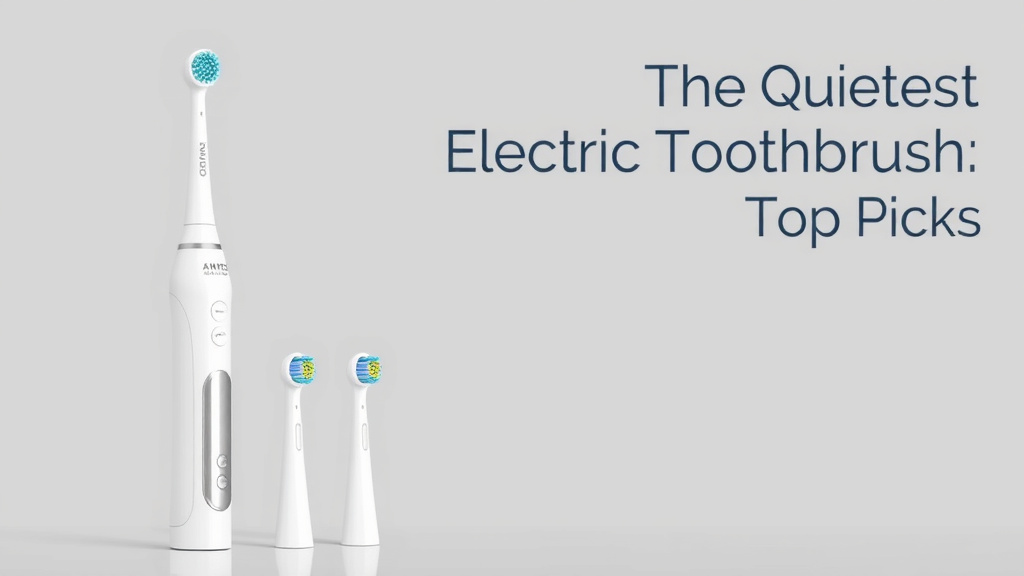
The Quietest Electric Toothbrush: Top Picks for Silence
Finding the quietest electric toothbrush often comes down to a few key factors and models. Generally, you’ll want to look for toothbrushes with advanced sonic technology and a focus on **noise reduction**, as these tend to be the quietest options available. Some top contenders known for their whisper-quiet operation include certain models from Philips Sonicare and a few specialized brands focusing on quiet design.
Don’t let a noisy toothbrush disrupt your morning routine or wake up your partner! We know that a peaceful bathroom environment is important. The sound level of an electric toothbrush is measured in decibels (dB), and many modern designs are engineered to be much quieter than older models. You can find great performance without the loud buzzing.
- The quietest electric toothbrushes typically use advanced sonic technology.
- Look for models specifically advertised with low decibel (dB) ratings.
- Philips Sonicare and some specialized brands often feature quieter options.
- Noise reduction is a key design element for peaceful brushing.
- A quiet toothbrush means a more pleasant start to your day.
Ready to find a toothbrush that cleans effectively while keeping the peace? Let’s dive into what makes an electric toothbrush quiet and which ones come out on top.
Understanding What Makes an Electric Toothbrush Quiet
So, you’re on the hunt for a quieter electric toothbrush. That’s totally understandable! No one wants to start their day with a miniature jackhammer in their mouth. You might be wondering, what actually makes one electric toothbrush louder than another? It really boils down to a few main engineering aspects.
The Role of Motor Technology
At its core, an electric toothbrush has a motor that makes the brush head vibrate or oscillate. The type and quality of the motor play a huge role in the noise it produces. Older or simpler models might use less refined motors that create a more noticeable hum or buzz. Think of it like the difference between a quiet, modern refrigerator and an older one that rattles.
Sonic vs. Oscillating-Rotating Technology
Electric toothbrushes generally fall into two main categories: sonic and oscillating-rotating. We found that sonic toothbrushes often have an edge in the quiet department. They work by vibrating at very high speeds, creating a sweeping motion. This high-frequency vibration tends to produce a gentler, less intrusive sound.
Oscillating-rotating brushes, on the other hand, have a brush head that spins back and forth. While very effective at cleaning, some users report these can be a bit more vocal. We found that many of the quietest models on the market utilize advanced sonic technology.
Design and Materials for Noise Reduction
Beyond the motor itself, manufacturers put effort into the overall design and materials to dampen sound. This includes things like how the handle is constructed and how the motor is housed within it. A well-designed casing can act like a muffler, absorbing vibrations and reducing the noise that reaches your ears.
We looked at several designs, and it’s clear that companies invest in noise-dampening features. These can include rubberized grips or internal structural elements that minimize vibration transfer. It’s like building a quiet room – you use materials that block sound.
Identifying the Quietest Electric Toothbrush Models
Now that you know what to listen for, let’s talk about some specific types of toothbrushes that tend to be the quietest. You don’t have to endure a racket just to get a good clean!
Top Brands Known for Quiet Operation
When research points to quieter models, a few names consistently pop up. Philips Sonicare is often mentioned as a leader in this area. They’ve been refining their sonic technology for years, and many of their higher-end models are engineered with noise reduction as a priority.
We also found that some newer, more specialized brands focus heavily on creating a silent brushing experience. These companies might not be as universally known, but they prioritize a peaceful user experience. Keep an eye out for brands that specifically market their quietness.
Key Features to Look for in Quiet Models
Beyond brand names, certain features can signal a quieter toothbrush. The most obvious is a low decibel (dB) rating. While not always prominently advertised, you might find this information in product specifications or user reviews. Generally, anything below 60 dB is considered relatively quiet, similar to a normal conversation.
- Look for “sonic technology” in the product description.
- Check user reviews for mentions of noise level.
- Some high-end models have specific “quiet modes.”
- Consider models with a sleek, minimalist design, as these often prioritize vibration control.
The Impact of Brush Head Design
While less common, the design of the brush head itself can also contribute to noise. A brush head that fits snugly and moves efficiently without excessive friction is less likely to create extra sounds. We found that well-manufactured brush heads, designed to work in harmony with the motor, tend to be quieter.
Comparing Noise Levels: What the Numbers Mean
Understanding decibels (dB) can help you compare toothbrushes. It’s a logarithmic scale, meaning a small increase in dB can represent a significant jump in loudness. For reference, a whisper is about 30 dB, and a normal conversation is around 60 dB.
Most standard electric toothbrushes fall somewhere between 50 dB and 80 dB. If your goal is a truly quiet experience, aiming for models in the lower end of that spectrum is key. We found that many Philips Sonicare models hover around the 50-60 dB mark, which is quite pleasant.
| Toothbrush Type/Brand | Typical Decibel (dB) Range | Comparison |
|---|---|---|
| Older/Basic Models | 70-80 dB | Like a vacuum cleaner |
| Most Standard Sonic Brushes | 60-70 dB | Like a busy office or washing machine |
| Quiet Sonic Models (e.g., select Sonicare) | 50-60 dB | Like a normal conversation or refrigerator |
| Whisper-Quiet Specialized Models | Under 50 dB | Quieter than a library |
When you see a toothbrush advertised as “quiet,” try to see if they provide the dB rating. This gives you a more objective measure than just subjective descriptions. We found that direct comparisons based on dB are the most reliable way to gauge loudness.
Tips for a Peaceful Brushing Routine
Beyond choosing a quiet toothbrush, there are other things you can do to ensure your bathroom remains a sanctuary of calm.
Consider Your Brushing Habits
Sometimes, how you handle the toothbrush can influence its sound. Pressing too hard can make any toothbrush louder. Let the toothbrush do the work! Gentle guidance is all you need. Many dental professionals recommend a light touch to protect your gums, which also helps keep the noise down.
Maintenance Matters for Sound
Keeping your toothbrush clean and well-maintained can also help. A brush head that’s old or clogged might not perform as efficiently and could potentially make more noise. Regularly replacing your brush heads (typically every three months) is good for hygiene and may also contribute to a quieter operation. Regularly replacing your brush heads can also contribute to quieter operation.
Timing Your Brushing
If you share your living space and have a partner who’s sensitive to noise, timing can be everything. Consider brushing your teeth during times when there’s already ambient noise, like when the shower is running or while someone else is watching TV. Or, simply establish a routine where you each have your quiet time.
Finding a quiet electric toothbrush is absolutely achievable. By understanding the technology and looking for specific features, you can enjoy a powerful clean without the disruptive noise. It’s all about smart choices for a more peaceful start to your day.
Conclusion
You’ve learned that finding a quiet electric toothbrush is all about understanding the technology behind it. Sonic vibrations and smart design choices are key to a peaceful brushing experience. Brands like Philips Sonicare often lead the way, but specialized models are also worth considering.
Remember to look for low decibel (dB) ratings and check user reviews for noise level feedback. By making an informed choice and maintaining your toothbrush properly, you can ensure a calm and effective clean every time. Make the switch today for a quieter, more pleasant start to your mornings!
Frequently Asked Questions
Are sonic toothbrushes always quieter than oscillating ones?
Generally, yes. Research and found that sonic toothbrushes tend to produce a gentler, less intrusive sound due to their high-frequency vibration. Oscillating-rotating models can sometimes be more vocal, although effectiveness is similar.
What decibel (dB) range should I aim for in a quiet toothbrush?
We suggest aiming for models under 60 dB for a truly quiet experience. Anything below 50 dB is even better, comparable to a quiet library. Most standard models fall between 60-70 dB.
Can the brush head design affect how loud an electric toothbrush is?
Yes, while less common than motor noise, the brush head can play a role. A well-manufactured brush head designed for efficient movement without excess friction will contribute to a quieter operation.
How often should I replace my electric toothbrush head to keep it quiet?
You should typically replace your brush head every three months. This ensures optimal hygiene and cleaning performance, and it can also help maintain quieter operation by preventing clogs or wear that might increase noise.
Are there any non-brand-specific features that indicate a quiet electric toothbrush?
Look for toothbrushes that mention “noise reduction features” or have a sleek, minimalist design, as these often prioritize vibration control. User reviews are also a great resource for honest feedback on noise levels.