Repurpose Your Old Electric Toothbrush: Smart Ideas
You have an old electric toothbrush sitting around. What can you do with it besides toss it in the trash? The most environmentally friendly options involve repairing it, donating it if still functional, or recycling its components. Many old electric toothbrushes have valuable materials that can be repurposed.
Giving your used electric toothbrush a second life is easier than you think. We found that many people don’t realize the potential for reuse or proper disposal. Thinking beyond just discarding it helps reduce waste and conserves resources, which is a win for everyone.
- Recycle the battery and plastic parts separately.
- Donate working models to charities or dental hygiene programs.
- Repurpose the motor for small DIY projects.
- Check manufacturer take-back programs for recycling.
- Consider a thorough deep clean and sanitization for donation.
Ready to give your old electric toothbrush a new purpose? Let’s walk through your best options, from giving it away to making it part of a new project.
What to Do When Your Electric Toothbrush Says Goodbye
So, your trusty electric toothbrush has finally given up the ghost. It’s served you well, making your teeth feel squeaky clean. Now, it’s just sitting there, a relic of past brushing routines. You might be tempted to just toss it in the nearest trash bin. But wait! Before you do, let’s look at some smarter ways to handle this situation.
We’ve found that most people aren’t sure about the proper disposal of these devices. Many older electric toothbrushes contain materials that can be recycled or even repurposed. Giving your old toothbrush a second life, or ensuring its parts are handled responsibly, is a great way to be kind to the planet.
Repairing Your Electric Toothbrush: A First Option
Before you think about replacing it, have you considered fixing it? Sometimes, a simple issue is the culprit. A dead battery is often the main reason an electric toothbrush stops working. If yours won’t hold a charge, replacing the battery might be all you need. Many online guides and videos can walk you through this process.
Research shows that batteries are a common point of failure in many electronic devices. If you can swap out the battery, you’re essentially giving your toothbrush a new lease on life. This not only saves you money but also prevents a perfectly good casing and motor from ending up in a landfill. It’s a win-win for your wallet and the environment.
Donating Your Electric Toothbrush: Spreading the Smile
Is your electric toothbrush still in good working order, but you’ve upgraded to a new one? Donating it is a fantastic option. Many organizations are always in need of gently used items. Your old toothbrush could make a big difference for someone who can’t afford one.
Who Can Benefit from Your Donation?
Think about local shelters, community health clinics, or dental hygiene programs. These places often assist individuals and families who might not have access to regular dental care. A working electric toothbrush can significantly improve oral hygiene for these recipients.
How to Prepare Your Toothbrush for Donation
Hygiene is, of course, paramount when donating a toothbrush. We found that a thorough deep clean and sanitization are absolutely essential. Ensure the toothbrush is completely disassembled, if possible. Wash all parts with soap and hot water. Then, use a disinfecting solution to wipe down the handle and any reusable components. You’ll want to replace the brush head with a new one, if the model allows, or clearly state that a new head is needed. You’ll want to replace the brush head with a new one, if the model allows, or clearly state that a new head is needed.
Some charities might have specific guidelines for accepting personal care items. It’s always a good idea to call ahead and ask. This simple step ensures your donation is accepted and useful for its new owner.
Recycling Your Electric Toothbrush: The Responsible Choice
If your electric toothbrush is beyond repair or donation, recycling is your next best step. These devices are made of various materials, including plastics and electronics, which can be harmful if not disposed of properly. Recycling helps recover these materials and reduces the need to mine for new resources.
Understanding the Components for Recycling
Electric toothbrushes typically contain a rechargeable battery, a motor, plastic casings, and electronic components. The battery is the most critical part to recycle correctly. Many batteries contain heavy metals that can contaminate soil and water if they end up in a landfill.
The plastic parts can often be recycled with other plastics. However, the electronic components usually require special handling. This is why it’s important to find a recycling facility that can handle e-waste.
Finding Recycling Centers Near You
So, where do you take it? Many local waste management facilities offer e-waste recycling programs. You can often find drop-off points for electronics. Some electronics stores also have take-back programs for old devices. A quick search on your local municipality’s website should give you information on recycling options in your area.
Manufacturer Take-Back Programs
Did you know that many manufacturers want to help you recycle their products? Companies like Philips Sonicare and Oral-B often have recycling programs. You might be able to send your old toothbrush back to them for proper disposal. We found that checking the manufacturer’s website is a great way to see if they offer this service. Some may even provide a prepaid shipping label.
These programs are designed to ensure that the complex parts of your toothbrush are handled in an environmentally sound way. It’s a convenient option when local recycling isn’t readily available.
Repurposing Parts: A DIY Adventure
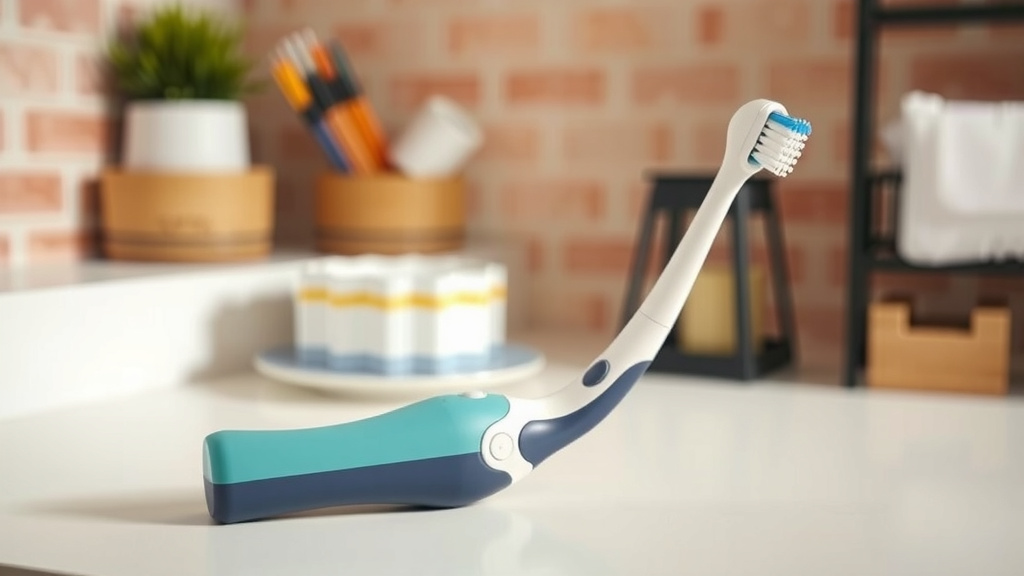
Are you a bit of a DIY enthusiast? An old electric toothbrush might just be the perfect source for small, interesting parts. The small motor inside is surprisingly versatile. With a little creativity, you can repurpose it for various mini-projects.
What Can You Make with the Motor?
We’ve seen people use these tiny motors to power small robots, create vibrating massage devices, or even build mini fans. The possibilities are endless for hobbyists. You’ll likely need a basic understanding of electronics and a power source, but the core component is already there.
It’s a fun way to learn about how things work and to give those components a new purpose. Imagine building a tiny automatic stirrer for your coffee or a miniature oscillating platform for small experiments. Your old toothbrush could be the unsung hero of your next creation!
Checklist: Your Old Electric Toothbrush Action Plan
Ready to decide? Here’s a quick checklist to help you pick the best option for your old electric toothbrush:
- Is it still working well? Consider donating it.
- Does it just need a new battery? Try a repair first.
- Can you find a local e-waste recycling center? Aim for that.
- Check the manufacturer’s website for a take-back program.
- Are you crafty? Salvage the motor for a DIY project.
- If none of these work, ensure it’s disposed of according to local hazardous waste guidelines.
A Quick Look at Battery Recycling Needs
The rechargeable battery is the most important part to handle with care. Most electric toothbrushes use lithium-ion or NiMH batteries. These contain materials that need to be managed specifically to avoid environmental harm. Improper disposal can lead to fires or release toxic substances.
Therefore, separating the battery from the rest of the toothbrush is often recommended before recycling. Many recycling centers have separate bins for batteries. Always check the specific guidelines of your local recycling facility. They can provide the clearest instructions on how to proceed with battery disposal.
| Option | Pros | Cons | Best For |
|---|---|---|---|
| Repair | Saves money, reduces waste, extends product life | Requires technical skill, might not be cost-effective | Toothbrushes with simple issues like dead batteries |
| Donate | Helps others, reduces waste, supports communities | Requires the toothbrush to be functional, needs thorough cleaning | Working toothbrushes in good condition |
| Recycle | Responsible disposal of materials, prevents pollution | Requires finding specialized facilities, can be inconvenient | Non-functional toothbrushes or those with no repair/donation potential |
| Repurpose | Creative outlet, educational, fun DIY projects | Requires technical skill and tools, niche appeal | DIY enthusiasts who want to experiment with small motors |
As you can see, there are many thoughtful ways to deal with your old electric toothbrush. You have choices beyond simply throwing it away.
Conclusion
You’ve learned that your old electric toothbrush doesn’t have to become landfill fodder. You have several smart options! Whether it’s a quick battery swap for a repair, a thorough clean for donation, or careful recycling of its parts, you can make a responsible choice. If you’re feeling creative, even the small motor can power your next DIY project. Instead of tossing it, take a moment to decide which of these paths is best for your old brush. Your next step is simply to pick the option that fits your situation and act on it!
Frequently Asked Questions
Can I put an old electric toothbrush in my regular recycling bin?
Generally, you should not put an old electric toothbrush in your regular curbside recycling bin. These devices contain electronic components and batteries that require special handling. Your local waste management facility likely has specific e-waste drop-off points.
How do I clean an electric toothbrush for donation?
To prepare your toothbrush for donation, disassemble it as much as possible. Wash all reusable parts thoroughly with soap and hot water. Then, use a disinfectant to wipe down the handle and components. Always ensure a new brush head is used or clearly indicate one is needed.
Where can I find a local e-waste recycling center?
You can often find information on local e-waste recycling centers by checking your city or county’s official website. Many municipalities have dedicated pages listing drop-off locations or special collection events for electronics.
Are manufacturer take-back programs free?
Many manufacturer take-back programs are free, especially if they provide a prepaid shipping label. However, some might ask you to cover shipping costs or have specific requirements for participation. It’s best to check the manufacturer’s website directly for details.
Is it safe to try and fix the battery myself?
Replacing the battery can be a feasible DIY project if you have some technical experience and the right tools. However, it’s essential to handle batteries with care, as they can pose safety risks if not managed properly. If you’re unsure, it’s safer to opt for professional recycling.