Electric Toothbrush Not Working? Troubleshooting Guide
If your electric toothbrush suddenly stops working, don’t panic! You can often fix it with a few simple steps. First, ensure it’s properly **charged** and that the **charger** is plugged in and working. Check if the brush head is securely attached and try removing and reattaching it.
Sometimes, a simple reset can bring your toothbrush back to life. Many models have specific reset procedures. We found that checking the **brush head connection** and ensuring a full charge are the most common solutions for a non-functioning electric toothbrush. Sometimes, a minor blockage can also be the culprit.
TL;DR:
- Check the battery charge level.
- Make sure the charger is working.
- Securely attach the brush head.
- Try removing and reattaching the brush head.
- Look for simple cleaning needs.
Let’s walk through exactly what to do when your electric toothbrush decides to take an early retirement.
Troubleshooting Your Electric Toothbrush When It Stops Working
Your electric toothbrush has been a reliable partner in your oral hygiene routine. Suddenly, it just stopped. This can be frustrating, especially when you’re in the middle of brushing. But don’t toss it just yet! Most of the time, the issue is something you can fix yourself. We’ve researched common problems and found that a few simple checks can often get your toothbrush humming again in no time.
Checking the Power Source and Battery Health
The most common reason for an electric toothbrush to stop working is a **lack of power**. It sounds obvious, but it’s the first thing you should always check. Your toothbrush needs to be charged to operate.
Is Your Toothbrush Actually Charged?
When was the last time you placed your toothbrush on its charger? Some models have indicator lights that show charging status, while others are less obvious. If the light isn’t on, or if it’s blinking in a way that suggests an error, it might not be charging properly. Try leaving it on the charger for a full 24 hours. Many modern toothbrushes have batteries that can last for weeks on a single charge, so you might not realize it’s depleted until it’s too late. Our guide explains how long to charge your toothbrush for best results.
Is the Charger Doing Its Job?
Sometimes, the toothbrush itself is fine, but the charging base is the culprit. First, ensure the charger is **firmly plugged into a working wall outlet**. Test the outlet with another device, like a lamp or phone charger, to confirm it has power. If the outlet is fine, check the charger’s cord for any visible damage, like kinks or fraying. If your charger uses a USB connection, try a different USB port or a different USB cable. Some chargers also have indicator lights; if yours does and it’s not lit, the charger itself might be faulty.
Investigating Wireless Charging Bases
If you have a model with a wireless charging base, make sure the toothbrush is positioned correctly on the base. There’s usually a specific spot where the inductive charging works best. Even a slight misalignment can prevent charging. Try wiggling the toothbrush around on the base until you hear a beep or see an indicator light confirming it’s charging.
Examining the Brush Head and Handle Connection
A loose or improperly attached brush head can cause all sorts of issues, including the toothbrush not turning on or vibrating correctly. Think of it like a car tire that isn’t fully bolted on – it just won’t perform as it should.
Securing the Brush Head
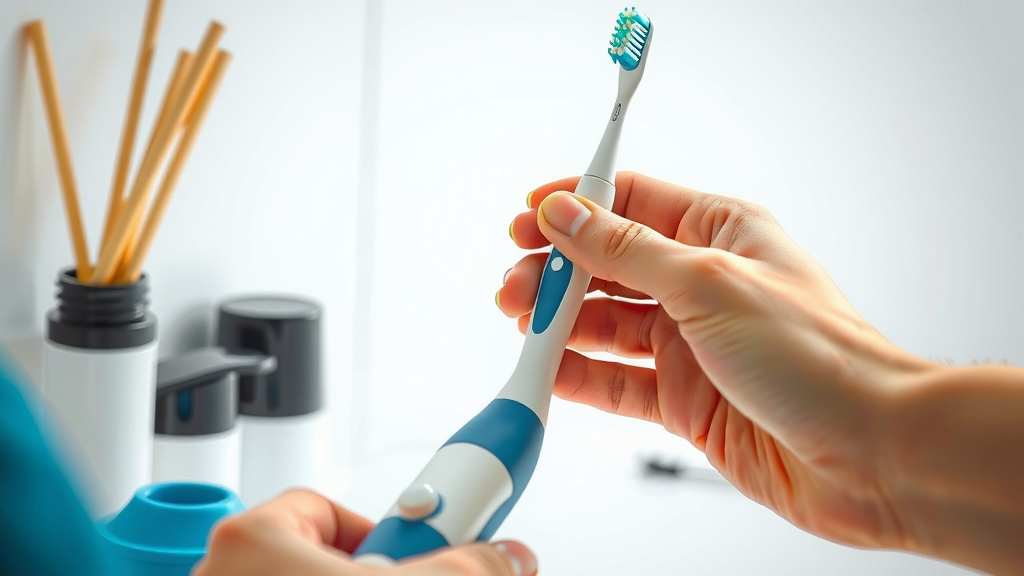
Remove the brush head completely. Give both the metal shaft on the handle and the inside of the brush head a quick wipe to clear any toothpaste residue or debris. Then, firmly reattach the brush head. You should feel or hear a slight click when it’s properly seated. Once attached, try turning the toothbrush on. If it starts working, you’ve solved the problem!
What If the Brush Head Seems Stuck?
Occasionally, toothpaste and mineral buildup can make the brush head difficult to remove. If you encounter this, try soaking the connection area in warm water for a few minutes. You can also try gently twisting and pulling. A small amount of gentle pressure should help break the seal. Once removed, clean both parts thoroughly before reattaching.
Performing a Reset or Deep Clean
Sometimes, your toothbrush might just need a little reboot, similar to restarting your computer when it acts up. Electronic devices can sometimes get into a weird state, and a reset can clear it.
The Power of a Simple Reset
Many electric toothbrush manufacturers include a reset procedure. We found that this often involves holding down a specific button or combination of buttons for a set amount of time while the toothbrush is off the charger. Check your toothbrush’s user manual for the exact steps. If you can’t find your manual, a quick online search for “[Your Toothbrush Brand and Model] reset” should provide the instructions. For example, some Philips Sonicare models require you to press and hold the power button for 10-15 seconds.
Cleaning for Performance
Your toothbrush handles a lot of moisture and toothpaste, and sometimes this can lead to minor blockages that affect performance. Over time, toothpaste can build up around the base of the brush head and even in the charging port if your model has one. A good, thorough cleaning can sometimes be the fix. Use a damp cloth and a little bit of mild soap to wipe down the entire handle. Pay special attention to the area where the brush head attaches. For stubborn grime, a soft toothbrush or cotton swab can help. Ensure the toothbrush is completely dry before placing it back on the charger or attempting to use it.
Common Issues and Their Fixes
Let’s look at a few other hiccups that might be preventing your toothbrush from working and how to address them.
Water Damage Concerns
While electric toothbrushes are designed to be water-resistant, they aren’t typically meant to be submerged for extended periods. If your toothbrush has been dropped in water or exposed to excessive moisture, it might have suffered internal damage. For minor splashes, drying it thoroughly should be enough. However, if it’s been submerged, it’s less likely to recover. Many manufacturers consider water damage to be outside of standard warranty coverage (Cleveland Clinic).
The Battery May Be Dead
All rechargeable batteries have a lifespan. Over time, they degrade and can no longer hold a charge effectively. If your toothbrush is several years old and no longer holds a charge even after extended charging, the battery might have simply reached the end of its life. Unfortunately, most toothbrush batteries are not user-replaceable.
Internal Component Failure
Sometimes, the issue is internal and not something you can fix yourself. This could be a problem with the motor, the circuit board, or other components. If you’ve tried all the troubleshooting steps and your toothbrush still won’t turn on, it’s possible that an internal part has failed.
When It Might Be Time for a New Toothbrush
If none of these troubleshooting steps work, it might be time to consider a replacement. How old is your toothbrush? If it’s more than 3-5 years old, it’s likely nearing the end of its typical lifespan. Continuing to use an old electric toothbrush can also mean you’re not getting the best clean, as performance can degrade over time.
Warranty Check
Before you give up, check if your toothbrush is still under warranty. Most manufacturers offer a warranty period, often 2 years. If it is, contact the manufacturer’s customer support. They may offer a repair or a replacement unit. It’s always worth a shot!
Making the Decision to Replace
Deciding when to buy a new one is personal. If the cost of repair (if even possible) is high, or if your toothbrush is old, investing in a new one might be more cost-effective. Plus, new models often come with improved features!
Here’s a quick checklist to run through:- Ensure the toothbrush is properly seated on its charger.
- Verify the charger is plugged into a working power source.
- Test the wall outlet with another device.
- Remove and reattach the brush head firmly.
- Perform a manufacturer-recommended reset.
- Clean the toothbrush handle and brush head connection.
Conclusion
It can be frustrating when your electric toothbrush stops working, but remember most issues are solvable. We’ve covered checking the obvious culprits like charging and the brush head connection. Often, a simple reset or a good cleaning is all it takes to get it buzzing again. If you’ve tried these steps and your toothbrush is still unresponsive, it might be time to consider its age or check the warranty. Don’t let a silent toothbrush disrupt your oral care routine; take these steps to troubleshoot and get back to a healthier smile!
Frequently Asked Questions
Why isn’t my electric toothbrush charging?
First, ensure your charger is plugged into a working outlet and that the toothbrush is properly seated on its charging base. Check the charging cord for any damage. Some charging bases also have indicator lights that can signal a problem, so check your model’s manual.
My electric toothbrush stopped mid-brush. What’s wrong?
This usually indicates a battery issue. It could be completely drained, or the battery might be degrading if your toothbrush is several years old. Ensure it has had a chance to charge fully, perhaps leaving it on the charger for 24 hours.
Can I fix a water-damaged electric toothbrush?
While electric toothbrushes are water-resistant, they are not waterproof. If yours has been submerged, internal damage is likely, and it may not be repairable. Thoroughly drying it is the first step, but recovery is not guaranteed.
My brush head won’t come off. What should I do?
Toothpaste and mineral buildup can cause the brush head to stick. Try soaking the connection area in warm water for a few minutes. You can also gently twist and pull. Clean both parts thoroughly after removal to prevent future issues.
How often should I replace my electric toothbrush?
Most electric toothbrushes have a lifespan of about 3 to 5 years. After this time, battery performance can degrade, and cleaning effectiveness may decrease. If yours is older and troubleshooting doesn’t help, it might be time for a new one.