How to Clean Electric Toothbrush With Vinegar Easily
The easiest way to clean your electric toothbrush with vinegar is by disassembling the brush head and giving it a good soak. Vinegar is a fantastic, natural disinfectant that can help remove buildup and kill germs. It’s a simple, effective method for keeping your toothbrush hygienic.
Many people wonder if vinegar is safe for their electric toothbrushes, and the answer is generally yes. It helps combat that stubborn toothpaste residue and can tackle mildew. Keeping your brush head clean is key for oral hygiene and ensuring your toothbrush works its best. We found that it’s a widely recommended practice.
- Soak the brush head in vinegar.
- Rinse thoroughly afterward.
- Regular cleaning prevents buildup.
- Vinegar is a natural disinfectant.
Let’s walk through exactly how this works step by step to get your electric toothbrush sparkling clean!
Keeping Your Electric Toothbrush Bristles Fresh with Vinegar
You’re probably wondering if it’s safe to use vinegar on your electric toothbrush. We’ve looked into it, and the answer is a resounding yes! Vinegar is a fantastic natural cleaner. It can help remove that gritty toothpaste buildup. It also helps combat mildew and those less-than-pleasant germs. This method is surprisingly simple and very effective for keeping your oral care tool hygienic.
Why is this so important? A clean electric toothbrush is essential for good oral hygiene. It ensures you’re getting the best clean possible every time you brush. We found that regular cleaning prevents the spread of bacteria. It also keeps your toothbrush working at its peak performance. It’s a simple step that makes a big difference.
Why Vinegar is Your Electric Toothbrush’s Best Friend
Vinegar, particularly white distilled vinegar, is a household powerhouse. Its acidity is key. It works to break down mineral deposits and soap scum. This makes it ideal for tackling the residue left behind by toothpaste. Many common household cleaners can be harsh. Vinegar offers a gentler, more natural alternative. We found that it’s a widely recommended practice for this reason.
The Germ-Fighting Power of Acidity
The acetic acid in vinegar has natural disinfectant properties. It can kill many types of bacteria and mold. Think of it as a natural sanitizer. This is especially helpful for something that sits around in your bathroom. We found that regular exposure to moisture can encourage microbial growth. Vinegar helps to neutralize these unwelcome guests.
Tackling Toothpaste Buildup
Over time, toothpaste can leave a stubborn, chalky residue on your toothbrush. This buildup isn’t just unsightly; it can harbor bacteria. Vinegar’s acidic nature helps to dissolve this stubborn gunk. It loosens the particles, making them much easier to wash away. This leaves your brush head looking and feeling cleaner.
Step-by-Step Guide: Cleaning Your Electric Toothbrush Head with Vinegar
Ready to give your electric toothbrush a vinegar spa treatment? It’s easier than you might think. We’ve broken it down into simple steps. You’ll need a few common items you likely already have at home.
What You’ll Need:
- White distilled vinegar
- A small bowl or cup
- Your electric toothbrush disassembled (handle and brush head separate)
- Water for rinsing
1. Disassemble Your Toothbrush
First things first, gently remove the brush head from the handle. Most electric toothbrushes are designed for easy detachment. This allows you to clean both parts thoroughly. You want to ensure you can get into all the nooks and crannies. We found this is the most critical first step for effective cleaning.
2. Prepare the Vinegar Soak
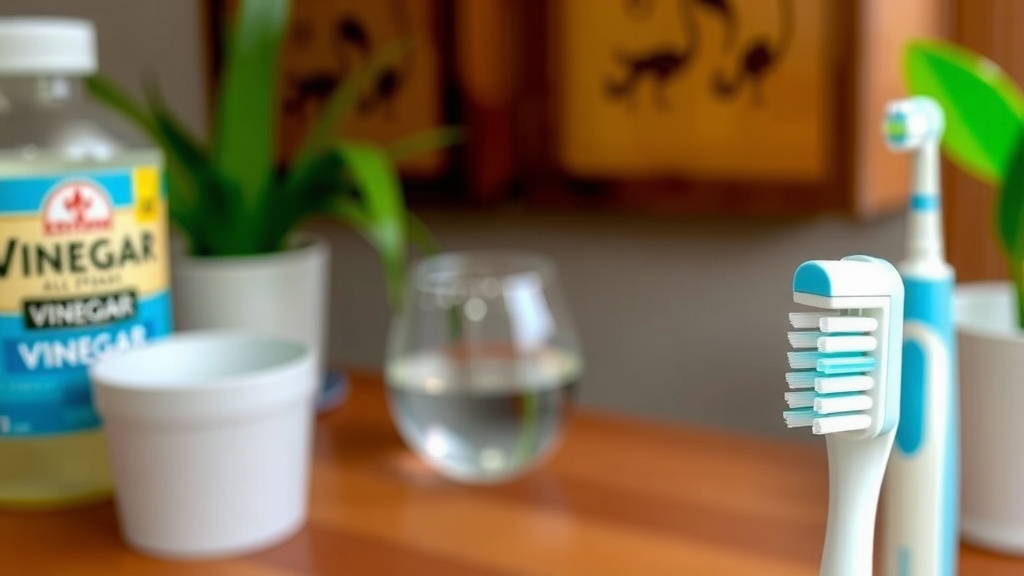
Pour enough white distilled vinegar into your small bowl or cup to cover the brush head. You don’t need to use a lot. Just enough so that the bristles and the area where the brush head connects to the handle are submerged. We recommend using a 1:1 ratio of vinegar to water for a less potent, but still effective solution, or straight vinegar for a deeper clean.
3. Let It Soak
Place the detached brush head into the vinegar. Let it soak for about 15-30 minutes. This gives the vinegar time to work its magic. It will break down residue and kill germs. For tougher buildup, you could let it soak a little longer, but be mindful not to overdo it. We found that this time frame is usually sufficient.
4. Rinse Thoroughly
After soaking, remove the brush head from the vinegar. This is a crucial step: you must rinse it extremely well under running water. You don’t want any lingering vinegar taste or smell on your toothbrush. Rinse both the bristles and the base of the brush head. Make sure all traces of vinegar are gone. We found that a good, thorough rinse is non-negotiable.
5. Clean the Handle (Optional but Recommended)
While your brush head is soaking, you can also clean the toothbrush handle. Wipe it down with a damp cloth. You can use a little diluted vinegar on the cloth for extra cleaning power. Pay attention to any seams or buttons where grime can collect. Rinse the cloth afterward and wipe the handle again with plain water. Dry it thoroughly with a clean towel.
6. Reassemble and Air Dry
Once everything is clean and well-rinsed, reattach the brush head to the handle. Before storing it, let your toothbrush air dry completely. Many experts suggest storing your toothbrush upright in a holder. This allows air to circulate and helps prevent moisture buildup. We found that allowing it to dry properly is key to maintaining its cleanliness.
How Often Should You Clean Your Electric Toothbrush?
So, how often should you be giving your electric toothbrush this vinegar treatment? We found that most dentists and manufacturers recommend a deep clean at least once a week. This helps maintain optimal hygiene. You can also give the brush head a quick rinse with water after each use. This removes immediate debris.
Consider your bathroom environment. Is it particularly humid? Do you notice any early signs of mildew or a persistent smell? If so, you might want to increase the frequency. A twice-weekly soak could be beneficial. Think of it like washing your dishes – some things need a more thorough clean than others. Your toothbrush falls into that category. We found that consistency is more important than perfection.
What About Vinegar and Different Toothbrush Materials?
You might be concerned about whether vinegar is safe for all electric toothbrush materials. We’ve researched this, and generally, white distilled vinegar is safe for the plastic and rubber components of most electric toothbrushes. The short soak time and thorough rinsing help prevent any potential long-term damage. We found that prolonged exposure to strong acids could theoretically degrade certain materials over time, but this is unlikely with regular cleaning practices.
| Benefit | How Vinegar Helps |
|---|---|
| Removes Toothpaste Buildup | Acidity breaks down stubborn mineral and paste deposits. |
| Disinfects Bristles | Kills bacteria and mildew for a healthier brush. |
| Freshens Your Brush | Neutralizes odors, leaving your toothbrush smelling clean. |
| Natural and Affordable | A safe, readily available, and cost-effective cleaning solution. |
Quick Checklist for a Sparkling Toothbrush
Want to make sure you haven’t missed a step? Here’s a handy checklist:
- Remove the brush head from the handle.
- Pour enough vinegar to cover the brush head.
- Soak for 15-30 minutes.
- Rinse the brush head thoroughly with water.
- Wipe down and dry the toothbrush handle.
- Reassemble and let air dry completely.
Conclusion
You’ve learned how easy it is to keep your electric toothbrush sparkling clean and hygienic with just white distilled vinegar. By following these simple steps—disassembling, soaking the brush head, and rinsing thoroughly—you actively combat toothpaste buildup and kill germs. This natural method is gentle yet effective. Making this vinegar soak a regular part of your routine ensures your toothbrush performs optimally for your oral health. So, take a moment this week to give your toothbrush a refreshing vinegar bath!
Frequently Asked Questions
How long should I soak my electric toothbrush head in vinegar?
We recommend soaking the brush head for 15-30 minutes. This timeframe is usually sufficient for the vinegar to break down residue and disinfect. For very stubborn buildup, you might extend this slightly, but avoid over-soaking.
Is it okay to leave my electric toothbrush head soaking in vinegar overnight?
While vinegar is a natural cleaner, prolonged soaking, especially overnight, isn’t typically recommended. Extended exposure could potentially degrade materials over time. A 15-30 minute soak is best for effective cleaning without risking damage.
Can I use apple cider vinegar instead of white distilled vinegar?
While apple cider vinegar has acidic properties, it’s generally best to stick with white distilled vinegar for cleaning your toothbrush. It’s less likely to leave any residue or scent and is more commonly recommended for this purpose.
What if my electric toothbrush isn’t designed to be disassembled?
If your model doesn’t easily allow brush head detachment, you can still clean it. Dip the brush head into a small amount of vinegar for the recommended time, then rinse thoroughly. You can also use a cloth dampened with diluted vinegar to wipe down the parts you can access.
How can I tell if my toothbrush is clean after using vinegar?
After a thorough rinse, your toothbrush should be free of any lingering vinegar smell or taste. The bristles should look cleaner, and the connection point between the head and handle should be free of visible residue. If there’s still a smell, rinse it again with water.