Dentist’s View: How Effective is an Electric Toothbrush Really?
Let me be honest with you—when I first started practicing dentistry, I was skeptical about electric toothbrushes. They seemed like an unnecessary gadget, a marketing ploy designed to make people spend money they didn’t need to spend. But over the past fifteen years, I’ve watched the science evolve, I’ve seen the clinical results, and I’ve observed countless patients transform their oral health using these devices. Today, I’m here to share what I’ve actually learned from the dental chair.
The question isn’t really whether electric toothbrushes work. It’s more nuanced than that. Some work brilliantly for certain people, while others might be wasting their money. Let me walk you through what the evidence actually shows.
Understanding the Basics: What Makes an Electric Toothbrush Different
Think of your manual toothbrush as a hammer—it does the job, but it requires you to be the engineer. An electric toothbrush, on the other hand, is more like a precision jackhammer. It’s doing thousands of movements per minute, and you’re essentially just guiding it.
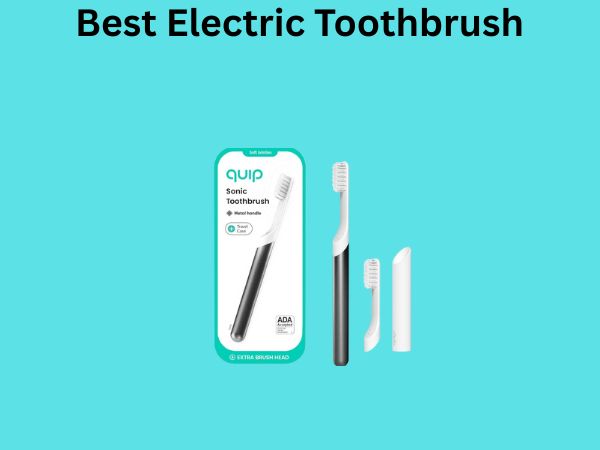
Most electric toothbrushes on the market fall into two categories: oscillating-rotating models and sonic models. The oscillating ones move back and forth at incredibly high speeds, typically between 2,600 and 7,600 oscillations per minute. Sonic toothbrushes vibrate at even higher frequencies, sometimes reaching 62,000 movements per minute. These aren’t just random movements either—they’re engineered to reach areas that manual brushing often misses.
The Clinical Evidence: What Research Actually Shows
Plaque Removal Efficiency
Here’s where I need to cite what I’ve observed in my practice and what the dental literature supports: electric toothbrushes are genuinely more effective at plaque removal than manual brushing. I’ve had patients come in with years of manual brushing experience, and within two weeks of switching to an electric toothbrush, their plaque scores improved noticeably.
The reason is straightforward. Most people simply aren’t brushing correctly with a manual toothbrush. They apply too much pressure, they miss the gumline, and they don’t spend enough time on the back molars. An electric toothbrush compensates for these human limitations. It does the repetitive movements for you, which means you’re less likely to miss spots.
Gum Health Improvements
One of the most compelling things I’ve noticed is the impact on gum health. Patients with gingivitis—that’s inflammation of the gums caused by plaque buildup—frequently see dramatic improvements within a month of using an electric toothbrush. Their gums bleed less, they’re less red, and they’re genuinely healthier.
This happens because electric toothbrushes are more thorough at removing the biofilm that causes gum disease. But here’s the important caveat: you still have to use them correctly. Just because it’s electric doesn’t mean you can be lazy about it.
The Technology Behind the Effectiveness
How Oscillating-Rotating Brushes Work
These brushes move the bristles back and forth and in circular motions simultaneously. This dual-action approach is particularly effective because it mimics the brushing technique that dentists recommend but that most people never actually master. The bristles reach into the spaces between teeth and along the gumline with consistent pressure.
What impressed me most when studying these devices is how they maintain consistent speed. Your arm gets tired, your pressure varies, and your attention wavers. An electric toothbrush doesn’t experience any of those limitations.
Sonic Technology Explained
Sonic toothbrushes operate at frequencies so high that they create tiny bubbles in the saliva between your teeth. This might sound like science fiction, but it’s real. These micro-bubbles actually help dislodge food particles and bacteria from areas that bristles can’t directly reach. It’s like having microscopic cleaning agents working alongside your toothbrush.
Some patients respond better to sonic technology than to oscillating-rotating brushes. Everyone’s mouth is different, and tooth positioning varies significantly from person to person.
Who Benefits Most From Electric Toothbrushes
People With Limited Dexterity
I’ve worked with elderly patients, people with arthritis, and individuals recovering from strokes. For these populations, electric toothbrushes are genuinely life-changing. Manual brushing requires fine motor control and repetitive arm movements that can be painful or impossible for some people. An electric toothbrush requires minimal effort and technique.
Those With Orthodontic Appliances
Braces create numerous small spaces and crevices where plaque loves to hide. I’ve found that patients with braces who switch to electric toothbrushes have significantly fewer cavities and less gum inflammation during their orthodontic treatment. The electric toothbrush’s rapid movements are particularly good at cleaning around brackets and wires.
People Who Struggle With Manual Brushing
Let’s be realistic—not everyone has perfect brushing technique. Some people apply way too much pressure, which can damage gums over time. Others are too gentle and don’t remove enough plaque. An electric toothbrush provides consistent, effective brushing regardless of your technique.
Those With a History of Gum Disease
If you’ve had periodontal disease, you know how frustrating it can be. An electric toothbrush gives you a much better chance of preventing a recurrence. The improved plaque removal is particularly valuable when you’re trying to maintain gum health.
Limitations: What Electric Toothbrushes Cannot Do
They’re Not a Substitute for Flossing
Here’s something I need to emphasize clearly: no toothbrush, electric or otherwise, can replace flossing. The spaces between teeth are simply too tight for bristles to reach effectively. I’ve had patients tell me they don’t floss because their electric toothbrush is “so good,” and I always have to correct them. They’re doing themselves a disservice.
The truth is, flossing removes plaque and food debris that toothbrushes simply cannot access. Even the best electric toothbrush on the market doesn’t change that fundamental reality.
They Require the Right Technique
Many people assume that because they’re using an electric toothbrush, they can use it carelessly. That’s not entirely true. You still need to angle the bristles toward your gumline, you still need to spend adequate time on each section of your mouth, and you still need to avoid applying too much pressure. Some modern electric toothbrushes have pressure sensors that help with this, but not all of them do.
Battery Life and Maintenance Matter
A dead electric toothbrush is a useless electric toothbrush. If the battery dies after a month or the bristles become frayed, you’re no better off than with manual brushing. Quality matters significantly in this category.
Cost Considerations and Return on Investment
Initial Investment
Electric toothbrushes range from about thirty dollars to several hundred dollars. The more expensive models often have features like pressure sensors, multiple brushing modes, and longer battery life. But here’s what I’ve learned: you don’t need the most expensive option to see real benefits.
Mid-range models—usually in the eighty to one-hundred-fifty-dollar range—offer excellent performance. These often have the research-backed technologies without the premium pricing.
Long-Term Savings
The investment in a good electric toothbrush often pays for itself. Patients who use them effectively have fewer cavities, less gum disease, and fewer expensive dental procedures. I’ve calculated that the average patient saves more than the cost of an electric toothbrush within just a few years by preventing dental problems.
Additionally, you’re replacing just the brush head periodically, not the entire device. This keeps ongoing costs relatively low.
Comparing Different Types of Electric Toothbrushes
Oscillating-Rotating vs. Sonic Models
I get asked this question constantly, and honestly, the answer depends on individual preference. Research shows both are effective. Oscillating-rotating brushes are typically better for people who prefer a gentler feel and for those with sensitive teeth. Sonic brushes often appeal to people who want higher frequencies and potentially better access to tight spaces.
My recommendation is usually to start with whichever feels more comfortable in your mouth. Neither is objectively superior—they’re just different approaches to the same goal.
Rechargeable vs. Battery-Operated
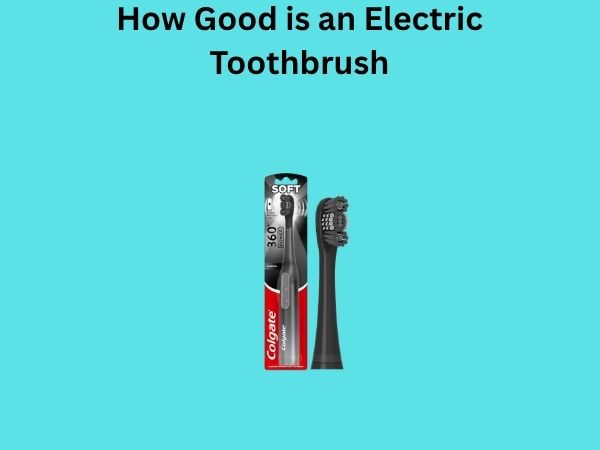
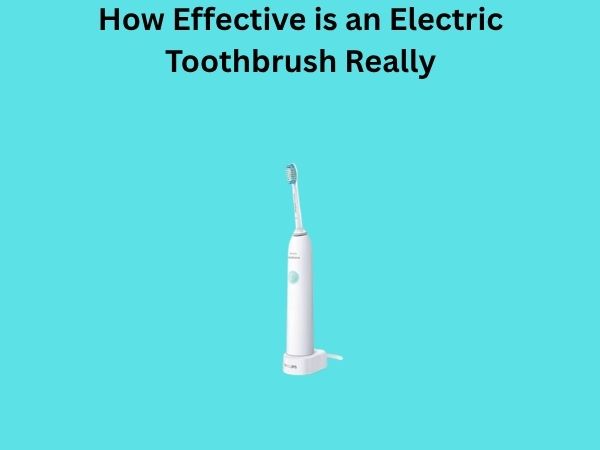
Rechargeable electric toothbrushes are generally more powerful and have longer battery life. Battery-operated models offer convenience and portability. For most people, rechargeable is the better choice simply because the performance difference is significant. However, if you travel extensively or prefer the simplicity of replaceable batteries, that’s a valid preference.
Real Patient Experiences I’ve Witnessed
The Transformation Story
I had a patient named Margaret who had struggled with gingivitis for years despite seemingly good oral hygiene habits. She was frustrated, her gums bled regularly, and she felt embarrassed about her breath. Within six weeks of switching to an electric toothbrush, her gum bleeding stopped almost entirely. Six months later, her gums had recovered beautifully. She was genuinely shocked that something so simple made such a dramatic difference.
The Compliance Issue
Another patient, David, had braces at age forty-five. He was terrified of getting cavities during his orthodontic treatment. I recommended an electric toothbrush, and he was skeptical at first. But he used it consistently, and by the time his braces came off, his teeth were cavity-free and his gums were in perfect health. He told me the electric toothbrush gave him confidence that he was actually cleaning effectively.
How to Use an Electric Toothbrush Properly
The Basic Technique
Hold your electric toothbrush at a forty-five-degree angle to your gumline. Let the brush do the work—don’t apply heavy pressure. For oscillating-rotating brushes, use gentle back-and-forth motions. For sonic brushes, simply guide the brush without exerting pressure. Spend about thirty seconds on each quadrant of your mouth: upper right, upper left, lower right, and lower left.
Areas to Focus On
- The gumline, where plaque accumulation causes disease
- The backs of your molars, which are frequently neglected
- The inner surfaces of your teeth, often overlooked during rushed brushing
- Around any existing dental work like crowns or implants
Potential Side Effects and Concerns
Gum Sensitivity
Some people experience gum sensitivity when first using an electric toothbrush. This usually happens because they’re applying too much pressure or because they previously had undetected gum disease that’s being cleaned away. This typically resolves within a week or two as your gums adapt and heal.
Enamel Erosion Risk
This is often overstated. Electric toothbrushes don’t damage tooth enamel if used correctly. The bristles are designed to be gentle, and excessive pressure is usually prevented by modern pressure sensors. However, using an electric toothbrush immediately after acidic foods can be problematic, as can using one with damaged bristles.
The Verdict From a Dental Professional’s Perspective
After years of observation and study, I genuinely believe that most people would benefit from using an electric toothbrush. It’s not revolutionary—it’s not going to cure all dental problems or make other aspects of oral hygiene unnecessary. But it does one thing really well: it removes more plaque more effectively than most people can with manual brushing.
Are they essential? No. Can you maintain excellent oral health with a manual toothbrush? Absolutely, if you have excellent technique and dedication. But are they practical and effective tools that improve outcomes for the average person? Definitely yes.
The best toothbrush is ultimately the one you’ll use consistently and correctly. If an electric toothbrush helps you stay motivated and do a better job, then it’s the right choice for you.
Conclusion
Electric toothbrushes are genuinely effective tools for oral hygiene when used properly. The clinical evidence supports their use, particularly for plaque removal and gum health improvement. They’re especially beneficial for people with limited dexterity, those with braces, and anyone who struggles with manual brushing technique.
However, they’re not magical solutions. They don’t replace flossing, they require proper technique, and they need regular maintenance. The investment can pay off through prevented dental problems, but only if you actually use them consistently.
If you’re considering switching to an electric toothbrush, I’d encourage you to try one. Many people find that the improved cleaning power and ease of use makes them more committed to their oral hygiene routine. That’s where the real benefit lies—not in the technology itself, but in how it helps you maintain better habits consistently over time.
Frequently Asked Questions
Are electric toothbrushes safe to use every day?
Yes, electric toothbrushes are completely safe to use every day. In fact, using them twice daily as recommended by dentists is ideal. They’re designed for daily use and won’t damage your teeth or gums when used correctly. Just make sure you’re not applying excessive pressure and that you’re replacing the brush head every three months.
Can electric toothbrushes cause gum recession?
No, electric toothbrushes don’t cause gum recession when used properly. If anything, they can help prevent it by removing plaque more effectively and reducing gum disease. Gum recession is typically caused by other factors like overly aggressive brushing with a manual toothbrush, grinding your teeth, or advanced periodontitis. Using an electric toothbrush with gentle technique actually protects your gums.
How long does an electric toothbrush take to show results?
Many people notice improvements in gum health within two to four weeks of consistent use. You might notice less bleeding when flossing or brushing, fresher breath, or visibly healthier-looking gums. More significant improvements in gingivitis or plaque buildup may take six to eight weeks to become fully apparent. Consistency is key—you need to use it properly every day.
Is it better to use an electric toothbrush or water flosser?
Electric toothbrushes and water flossers serve different purposes. A water flosser is a supplement to traditional flossing, not a replacement. An electric toothbrush supplements manual brushing. Ideally, you should use both: an electric toothbrush for cleaning tooth surfaces and a traditional floss or water flosser for between teeth. Together, they provide comprehensive cleaning that neither can achieve alone.
Do electric toothbrushes work better for sensitive teeth?
Electric toothbrushes can actually be excellent for people with sensitive teeth if you choose the right model. Many electric toothbrushes have sensitivity modes that reduce intensity and vibration. They’re gentler than aggressive manual brushing, which often worsens sensitivity. Using an electric toothbrush with proper technique can help your sensitive teeth feel better over time by reducing gum recession and inflammation.
“`