Benefits of Electric vs Manual Toothbrush: What Dentists Recommend
Have you ever stood in the oral care aisle at your local pharmacy, staring at rows of toothbrushes and wondering which one is actually worth your money? You’re not alone. The debate between electric and manual toothbrushes has been going on for decades, and honestly, it can feel pretty confusing when you’re trying to make the right choice for your dental health.
The truth is, both electric and manual toothbrushes can do an excellent job of keeping your teeth clean—but they come with different advantages and disadvantages. What works best for you really depends on your lifestyle, your dental needs, and frankly, what you’ll actually stick with using every day. Let me break down everything you need to know so you can make an informed decision.
Understanding the Basics: What Makes Them Different
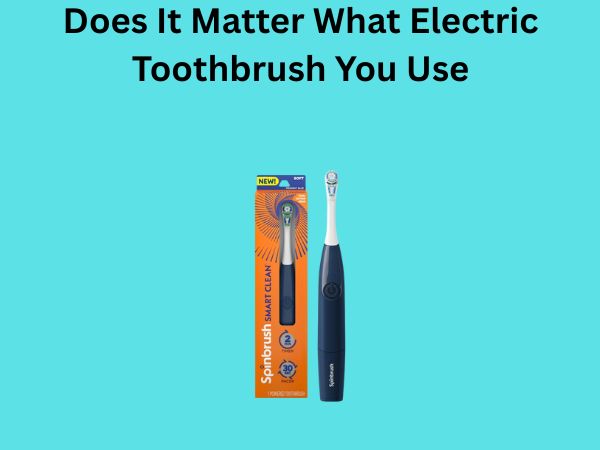
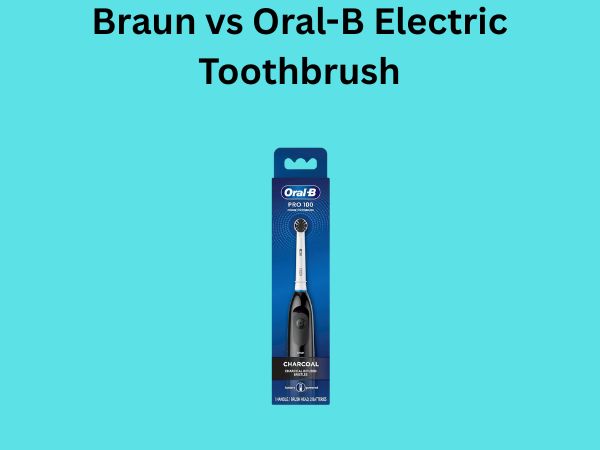
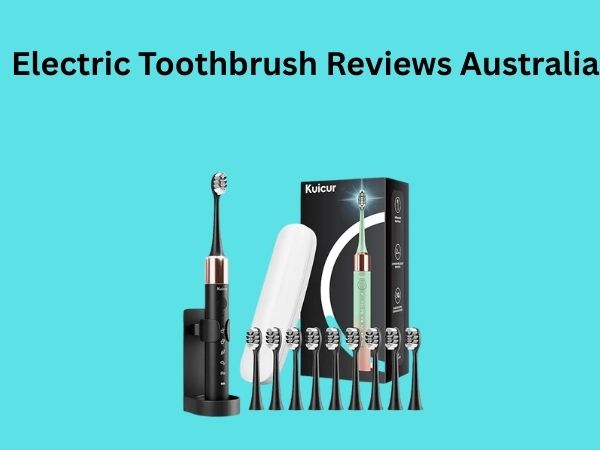
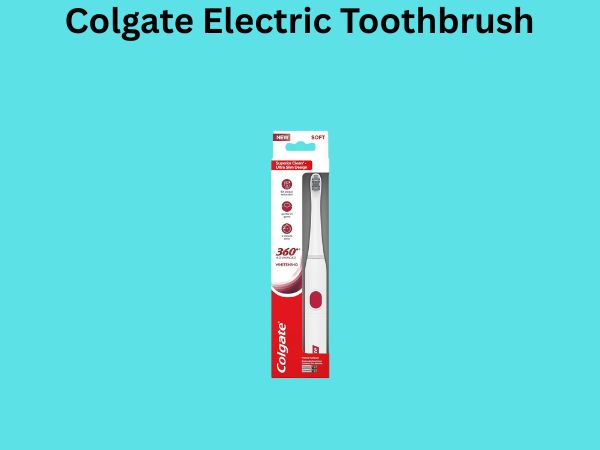
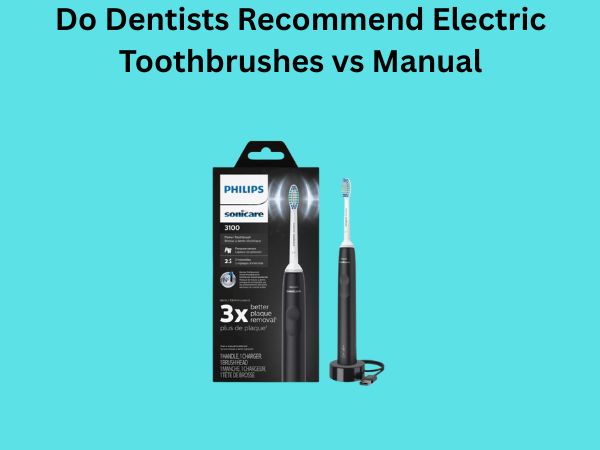
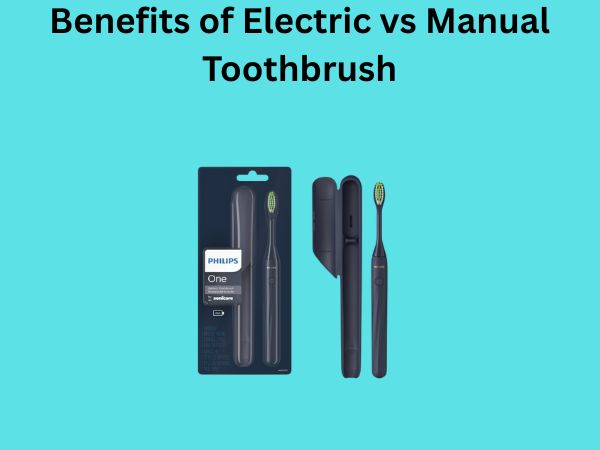
Before we dive into the specific benefits, let’s talk about what actually separates these two types of toothbrushes. A manual toothbrush is the traditional option—you hold it and move it yourself, using whatever technique and pressure you prefer. An electric toothbrush, on the other hand, does most of the work for you. The brush head vibrates or rotates at high speeds, sometimes thousands of times per minute, while you simply guide it along your teeth.
Think of it like this: using a manual toothbrush is like hand-washing your dishes, while an electric toothbrush is more like running them through the dishwasher. Both get the job done, but the method and the effort involved are quite different.
Benefits of Electric Toothbrushes
Electric toothbrushes have become increasingly popular over the last couple of decades, and there are some genuinely solid reasons why. Let’s explore the main advantages that make them appealing to millions of people worldwide.
Superior Plaque Removal and Cleaning Power
One of the biggest advantages of electric toothbrushes is their cleaning efficiency. The rapid oscillations or rotations of the brush head can remove plaque more effectively than manual brushing, especially if you’re not naturally skilled at proper brushing technique. Many studies have shown that electric toothbrushes, particularly sonic and oscillating varieties, outperform manual brushes when it comes to reducing plaque buildup and gingivitis.
The reason this matters is that plaque is essentially a sticky film of bacteria that accumulates on your teeth. If you don’t remove it regularly, it hardens into tartar, which can only be removed by a dentist. By using an electric toothbrush, you’re giving yourself a mechanical advantage in the ongoing battle against plaque.
Ideal for People with Limited Dexterity
If you have arthritis, carpal tunnel syndrome, or any condition that affects your hand mobility, an electric toothbrush can be a game-changer. Because the brush does the work for you, you don’t need to have perfect wrist control or grip strength. You simply hold the toothbrush and let it do its thing. This makes oral hygiene more accessible and less painful for people with these conditions.
Built-in Timers and Guides
Many electric toothbrushes come equipped with timers that help you brush for the recommended two minutes. This might sound silly, but most people drastically underestimate how long two minutes actually is. A built-in timer takes the guesswork out of it. Some advanced models even have pressure sensors that warn you if you’re brushing too hard, which can actually damage your gums over time.
Consistent Brushing Technique
Here’s something interesting: your brushing technique matters a lot, but most people don’t brush correctly. Electric toothbrushes deliver a consistent brushing motion regardless of your technique, which means you’re getting the benefit of proper brushing even if you’re not an expert.
Easier for Children to Use Effectively
Teaching kids to brush properly is notoriously difficult. Electric toothbrushes can make the process easier because children don’t need to worry about the correct motions. They just need to hold it against their teeth, and the brush does the heavy lifting. Plus, many electric toothbrushes designed for kids come in fun colors and designs that make brushing feel less like a chore.
Potential for Better Long-term Oral Health
Because electric toothbrushes are more effective at plaque removal, consistent use over time can lead to better overall oral health outcomes. This means fewer cavities, less gum disease, and potentially fewer visits to the dentist for cleanings.
Benefits of Manual Toothbrushes
Now, don’t think that manual toothbrushes are outdated or inferior just because they don’t have fancy technology. They have some distinct advantages of their own that make them the right choice for many people.
Complete Control and Customization
With a manual toothbrush, you have total control over the pressure, angle, and speed of your brushing. If you have specific areas that need extra attention, you can spend more time there. If your gums are sensitive, you can adjust your technique accordingly. This level of customization is something you simply can’t get with an electric toothbrush.
Cost-Effective Option
Let’s be real: a good electric toothbrush can cost anywhere from thirty to two hundred dollars or more, plus you need to buy replacement heads regularly. A quality manual toothbrush, on the other hand, might cost just a few dollars. If budget is a concern, a manual toothbrush is definitely the more affordable choice. And honestly, a cheap manual toothbrush can be just as effective as an expensive one if you use proper technique.
Portability and Convenience
Manual toothbrushes don’t need batteries or charging. This makes them perfect for travel, camping, or any situation where you might not have access to electricity. They’re also lighter and more compact, which matters if you’re traveling frequently or have limited space in your bathroom.
No Learning Curve
Everyone knows how to use a manual toothbrush. There’s no setup required, no app to download, no batteries to replace. You grab it, put toothpaste on it, and start brushing. It’s straightforward and simple.
Gentler on Sensitive Teeth and Gums
If you have very sensitive teeth or fragile gums, a manual toothbrush can feel less aggressive. You have total control over the pressure, so you can use a lighter touch. While electric toothbrushes do have pressure sensors, some people still find the sensation of a manual brush more comfortable.
Better Feedback During Brushing
With a manual toothbrush, you can actually feel what you’re doing. You can sense when you’re hitting hard-to-reach areas and when your gums are being stimulated. This tactile feedback can help you develop better brushing habits over time.
What Do Dentists Actually Recommend
So what’s the verdict from the dental professionals who see the results of our brushing habits every single day? The truth is, most dentists say that the best toothbrush is the one you’ll use consistently and correctly. But they do have some nuanced recommendations based on specific situations.
Most dental organizations, including the American Dental Association, have found that both electric and manual toothbrushes can be equally effective when used properly. However, dentists often recommend electric toothbrushes for:
- People with poor brushing technique who struggle to maintain proper angles and pressure
- Patients with limited mobility or dexterity issues
- Those prone to plaque buildup and gum disease
- Anyone who tends to rush through their brushing routine
Dentists typically suggest sticking with a manual toothbrush if you:
- Already have excellent brushing technique
- Have sensitive teeth or gums that respond better to gentler brushing
- Travel frequently and prefer not to deal with charging or batteries
- Have a tight budget and want to minimize dental care expenses
Brushing Technique: The Real Game Changer
Here’s something that often gets overlooked in this debate: technique matters more than the type of toothbrush. Even the fanciest electric toothbrush won’t help if you’re not brushing correctly. Similarly, a simple manual toothbrush can be incredibly effective if you know what you’re doing.
The recommended technique is gentle, circular motions at a 45-degree angle to your gum line. You should brush for about two minutes, making sure to hit all surfaces: the front, back, and chewing surfaces of your teeth. Many people don’t spend nearly enough time brushing, which is actually one reason electric toothbrushes with timers can be helpful.
Cost Comparison: What You’ll Actually Spend
Let’s talk money, because this is a factor for many people when making this decision. A decent manual toothbrush costs between two and five dollars. If you replace it every three months as recommended, that’s about twenty dollars per year.
An electric toothbrush might cost anywhere from thirty to two hundred dollars initially. Then you need to buy replacement heads, which typically cost between five and twenty dollars each. You’ll usually replace them every three months, so that’s an additional thirty to eighty dollars per year in upkeep.
Over five years, a manual toothbrush costs roughly one hundred dollars, while an electric toothbrush could cost between two hundred and five hundred dollars. That’s a significant difference if you’re on a budget.
Special Considerations for Different Situations
For Orthodontic Patients
If you have braces or other orthodontic appliances, an electric toothbrush can be particularly helpful. The rapid vibrations can clean around brackets and wires more effectively than manual brushing. Many orthodontists actually recommend electric toothbrushes for their patients for this reason.
For People with Gum Disease
If you’ve been diagnosed with gingivitis or periodontitis, an electric toothbrush might give you better results. Studies suggest that oscillating and rotating electric toothbrushes are more effective at reducing inflammation and bleeding gums compared to manual brushing.
For Elderly Individuals
As we age, our grip strength and dexterity naturally decline. An electric toothbrush can help older adults maintain good oral hygiene even when their physical abilities change. It’s also easier to use with one hand if someone has mobility limitations on one side of their body.
For Lazy Brushers
Let’s be honest: some of us just aren’t motivated enough to spend two full minutes brushing with a manual toothbrush. If that’s you, an electric toothbrush with a timer and built-in guidance might actually improve your oral health simply because it makes proper brushing easier and more automatic.
Environmental Impact: Which Is Better for the Planet
This is something worth considering if you’re environmentally conscious. Manual toothbrushes create waste because the entire brush ends up in the landfill when it’s worn out. However, they don’t require manufacturing of complex electronics or batteries.
Electric toothbrushes are more durable overall, but they do contain electronics and batteries. The replacement heads are usually plastic. If you use an electric toothbrush for many years, it might actually have a smaller environmental footprint than continuously replacing manual toothbrushes, but it depends on various factors including manufacturing practices and whether you dispose of it responsibly.
Making Your Decision: Key Factors to Consider
When you’re deciding between electric and manual, think about these factors:
- Your current brushing technique and how likely you are to improve it
- Your budget for the initial purchase and ongoing replacement costs
- Any physical limitations you might have that affect brushing
- Your lifestyle and how much you travel
- Your specific dental needs and any existing gum or tooth sensitivity issues
- Whether you’re naturally someone who sticks with routines or gets bored easily
The Verdict: Which Should You Actually Choose
After looking at all the evidence, the honest answer is that there’s no universally “best” toothbrush. Both electric and manual toothbrushes can be excellent choices for oral health. The best toothbrush is genuinely the one you’ll use consistently and correctly every day.
That said, if you struggle with proper brushing technique or have physical limitations, an electric toothbrush is probably worth the investment. If you have good brushing habits, limited budget, and no specific dental concerns, a quality manual toothbrush is perfectly adequate.
The most important thing isn’t whether your toothbrush is powered by electricity or manual labor—it’s that you’re brushing twice a day, for the recommended two minutes, using proper technique, and flossing daily. Those fundamentals matter far more than the type of toothbrush you choose.
Conclusion
The electric versus manual toothbrush debate doesn’t have a one-size-fits-all answer. Electric toothbrushes offer superior plaque removal, built-in timers, and are easier for people with limited dexterity. They can lead to better long-term oral health outcomes, especially for those who struggle with proper brushing technique. Manual toothbrushes, meanwhile, give you complete control, are budget-friendly, require no charging, and are portable for travel.
What dentists consistently recommend is that the best toothbrush is the one you’ll actually use every day, twice a day, for the full two minutes. Whether that’s an electric or manual toothbrush depends on your individual circumstances, preferences, and needs. Consider your budget, your physical abilities, your travel habits, and your current oral health status when making your decision. Either way, as long as you’re committed to proper daily brushing and regular flossing, you’re on the right path to excellent oral health.
Frequently Asked Questions
Are electric toothbrushes really better than manual toothbrushes?
Electric toothbrushes aren’t universally “better,” but they are more effective for many people. They’re particularly beneficial if you have poor brushing technique, limited dexterity, or a history of gum disease. However, if you already brush correctly and consistently, a quality manual toothbrush can be just as effective. The American Dental Association states that both types can be equally good at removing plaque when used properly. The real difference comes down to personal factors and individual needs rather than one being objectively superior.
How often should I replace my toothbrush or electric toothbrush head?
Both manual toothbrushes and electric toothbrush heads should be replaced every three months, or sooner if the bristles become frayed or worn. Some people also recommend replacing your toothbrush after you’ve had a cold or flu to avoid reinfecting yourself. If you notice the bristles have lost their shape or stiffness, that’s a sign it’s time for a replacement.
Can electric toothbrushes damage your gums?
Electric toothbrushes are safe for your gums when used correctly. However, brushing too hard or using an electric toothbrush with faulty bristles can potentially cause gum irritation. This is why many modern electric toothbrushes include pressure sensors that alert you if you’re applying too much force. If you have sensitive or receding gums, you might want to choose a model specifically designed for sensitive teeth and gums, or stick with a manual toothbrush where you can control the pressure completely.