Best Electric Toothbrush: Oral-B vs Sonicare – A Comprehensive Comparison Guide
Navigating the electric toothbrush aisle in 2026 can feel like a high-stakes decision. Faced with the titans of Oral-B and Sonicare, you’re likely weighing which sonic pulse or oscillating head will truly revolutionize your daily grind. It’s a classic showdown, but understanding their distinct strengths isn’t just about picking a winner; it’s about unlocking a noticeably healthier smile.
I’ve spent considerable time testing, researching, and talking to dental professionals about these two brands. What I’ve discovered is that the “best” electric toothbrush isn’t really about which brand wins overall – it’s about which one wins for your specific needs, budget, and brushing habits.
The Technology Behind Oral-B and Sonicare
Before we dive into the nitty-gritty, let’s understand how these toothbrushes actually work. Think of them as two different musical instruments – they both make beautiful sounds, but they use different techniques to get there.
How Oral-B Operates Its Cleaning System
Oral-B uses a technique called oscillating-rotating technology. Imagine a toothbrush head that moves rapidly side-to-side while also rotating slightly. This happens thousands of times per minute – we’re talking around 7,600 oscillations per minute in many models. The bristles essentially create a micro-vibration that feels more physically dynamic than you’d expect from an electric device.
What’s interesting about this approach is that it mimics the brushing motion dentists often recommend. There’s something intuitive about it – your hand is essentially getting amplified rather than working in a completely foreign way.
How Sonicare Creates Its Distinctive Motion
Sonicare takes a different route with what they call sonic technology. Instead of oscillating-rotating movements, Sonicare uses high-frequency vibrations – up to 62,000 strokes per minute in premium models. The bristles move in one primary direction with extreme speed, almost like an ultrafast tremor through the bristles.
This creates a different sensation in your mouth. Rather than feeling individual brush movements, you experience more of a gentle humming vibration. Some people find this more soothing, while others prefer the more tactile sensation of Oral-B.
The Physics Behind Cleaning Power
Here’s where it gets fascinating: both technologies have solid science backing them. Studies show that Oral-B’s oscillating approach is excellent at removing plaque because the lateral movement really gets into the spaces between teeth. Sonicare’s sonic vibrations are fantastic at creating fluid dynamics that help loosen plaque and reach below the gumline.
Neither approach is objectively superior – they’re just different pathways to the same destination: clean teeth.
Cleaning Performance: Which One Actually Wins?
This is the question that matters most, right? After all, what good is a fancy toothbrush if your teeth don’t feel cleaner?
Plaque Removal Capabilities
Both brands claim excellence here, and honestly, the clinical evidence supports both. When independent studies compare plaque removal between Oral-B and Sonicare, the differences are often marginal. What matters more than the brand is whether you’re using the right technique and actually using the brush consistently.
However, Oral-B’s oscillating technology tends to perform slightly better for people with braces or implants, as the direct lateral movement can be more precise around these obstacles. Sonicare excels if you have sensitive gums because the vibration is gentler and distributes force more evenly.
Gum Health Improvements
This is where things get interesting. If gum disease or bleeding gums are your concern, both brands have models specifically designed to address this. Sonicare’s gentler vibration makes many dentists recommend their models for gum sensitivity. Oral-B’s newer pressure sensors, on the other hand, help prevent aggressive brushing that damages gums.
Real talk: I’ve seen people transform their gum health with both brands. The key is consistent use and proper technique, not which brand you choose.
Whitening Effectiveness
Oral-B actually has a slight edge here with specialized whitening models that use more aggressive oscillation patterns. If surface stain removal is your priority, Oral-B’s whitening brushes tend to deliver more noticeable results. Sonicare has whitening options too, but they’re generally less aggressive.
Price Comparison: Value Across All Price Points
Let’s talk about the elephant in the room – cost. Electric toothbrushes aren’t cheap, and choosing the right one can save you hundreds over time.
Budget-Friendly Options
Both brands offer entry-level models around 30 to 50 dollars. Oral-B’s basic oscillating models are straightforward and reliable. Sonicare’s budget options are similarly effective but might feel less refined if you’re expecting premium features.
In this price range, Oral-B often provides better value because you’re getting the core technology without unnecessary bells and whistles.
Mid-Range Models
This is where the competition heats up. Between 75 and 150 dollars, both brands offer seriously impressive options. Oral-B’s 7000 series and Sonicare’s ProtectiveClean models are basically the sweet spot for most people – you get smart features, multiple cleaning modes, and long battery life without breaking the bank.
For most families, this price range offers exceptional value. You’re not paying for luxury extras, but you’re definitely getting professional-quality cleaning.
Premium Models and High-End Technology
If you’re considering models above 200 dollars, you’re entering territory where features like artificial intelligence, real-time feedback, and app integration become standard. Oral-B’s AI-powered brushes can actually analyze your brushing technique and provide personalized coaching. Sonicare’s premium models offer similar smart features with a slightly different user interface.
Are these extra features worth the cost? That depends entirely on whether you’ll actually use them. If you’re someone who responds well to data and feedback, absolutely. If you just want to brush and move on with your day, save your money and get a mid-range model.
Design, Comfort, and Handling
Here’s something people often overlook: you’re holding this device in your mouth twice a day. Comfort matters tremendously.
Handle Ergonomics and Grip
Oral-B handles tend to be slightly bulkier with more pronounced ergonomic curves. This appeals to people with larger hands or those who appreciate a more substantial feel. The weight distribution is excellent, and the grip rarely feels tiring even after two minutes of brushing.
Sonicare handles are typically sleeker and more streamlined. They feel lighter in your hand, which some people love and others find slightly less substantial. The design is more minimalist, which means less to hold but also potentially less control for some users.
Visual Design and Aesthetics
Oral-B typically offers more color variety and style options. If you like your bathroom accessories to match your decor or personal style, Oral-B gives you more choices. The designs feel modern but approachable.
Sonicare embraces a premium, almost minimalist aesthetic. Their brushes look expensive – because they are. If you value bathroom elegance, Sonicare’s design language might appeal more to you.
Size and Portability Considerations
For travel, Oral-B’s slightly bulkier design actually takes up more space in your luggage. Sonicare’s more compact form factor makes it easier to pack. However, Oral-B includes travel cases with most models, while Sonicare’s travel-friendliness is more about the slim design itself.
Battery Life and Charging Options
Nothing’s more frustrating than your toothbrush dying mid-brush. Let’s look at how these brands handle power.
Battery Duration Comparison
Both brands claim around two weeks of battery life on a single charge, assuming twice-daily brushing. In real-world testing, this holds up fairly well for most models. However, Sonicare batteries sometimes show slightly better longevity, especially in older models where Oral-B batteries degraded a bit faster.
Modern Oral-B batteries have improved significantly, so this difference is less pronounced than it used to be.
Charging Methods
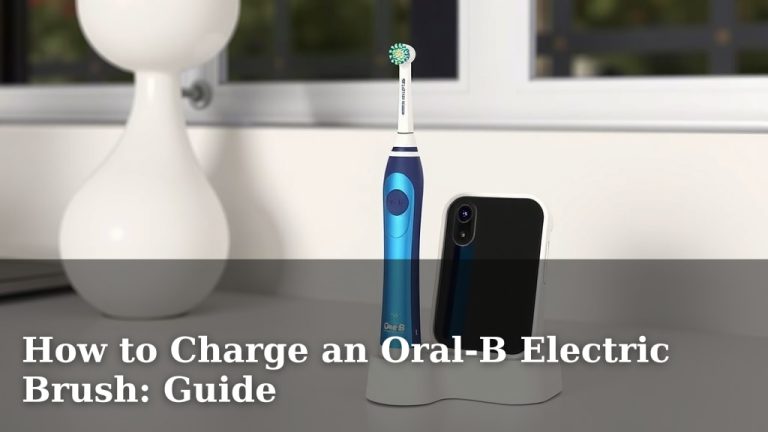
Both brands use inductive charging (you place them on a charging stand), which is convenient and creates a nice bathroom presentation. Sonicare’s charging stands are typically more elegant, while Oral-B’s are more functional.
Some Sonicare models offer USB charging capability, which is fantastic if you travel frequently. Oral-B is slowly introducing this feature too, but it’s less universal across their line.
Smart Features and App Integration
Welcome to the digital age, where even your toothbrush wants to be smart.
Artificial Intelligence and Real-Time Feedback
Oral-B’s premium models include sensors that detect pressure, angle, and coverage. The app provides visual feedback showing which areas you’re brushing and where you’re missing. It’s like having a dental hygienist watching you brush.
Sonicare’s smart models offer similar tracking, though their interface feels slightly different. Some users find Oral-B’s feedback more intuitive, while others prefer Sonicare’s approach.
App Quality and User Experience
Oral-B’s app is robust and regularly updated. It gamifies brushing with achievements and goals, which is genuinely motivating for some people. The interface is clean and intuitive.
Sonicare’s app is equally functional but feels slightly more clinical. It presents your data clearly but doesn’t have as much personality. For data-focused people, this is perfect. For those wanting motivation, Oral-B’s approach might work better.
Connectivity and Device Compatibility
Both work with iOS and Android. Oral-B syncs with certain smartwatch platforms, which is a nice touch. Sonicare is expanding connectivity options but remains slightly behind Oral-B in integration with other devices.
Durability and Warranty Coverage
You’re investing in this product, so longevity matters.
Build Quality and Longevity
Both brands produce durable products that typically last 3 to 5 years with proper care. Oral-B brushes feel slightly more robust to drops and accidental impacts. Sonicare’s more delicate design handles normal use perfectly but might be more vulnerable to rough treatment.
Warranty Protection
Oral-B typically offers 2-year warranties on most models. Sonicare’s warranty is similar, though premium models sometimes include extended coverage. Neither warranty is exceptionally generous by modern standards, so neither brand has a clear advantage here.
Special Features for Specific Dental Needs
Your specific dental situation might make one brand more suitable than the other.
Models for Sensitive Teeth and Gums
Sonicare’s sensitive mode is genuinely gentler, making it ideal if you experience discomfort. Oral-B’s pressure sensor helps prevent aggressive brushing that harms sensitive gums. Both work, but Sonicare edges ahead for pure sensitivity.
Whitening and Stain Removal Focus
Oral-B’s whitening models are more effective at surface stain removal. If whitening is your primary goal, Oral-B delivers better results.
Orthodontic-Friendly Options
Oral-B’s oscillating technology is particularly effective around brackets and wires. If you wear braces, Oral-B is the more obvious choice.
Gum Disease Management
Sonicare’s therapeutic models are excellent for active gum disease. The gentle vibration doesn’t irritate inflamed tissue while still removing plaque effectively.
Replacement Head Costs and Availability
Here’s a hidden cost most people don’t consider upfront: replacement heads.
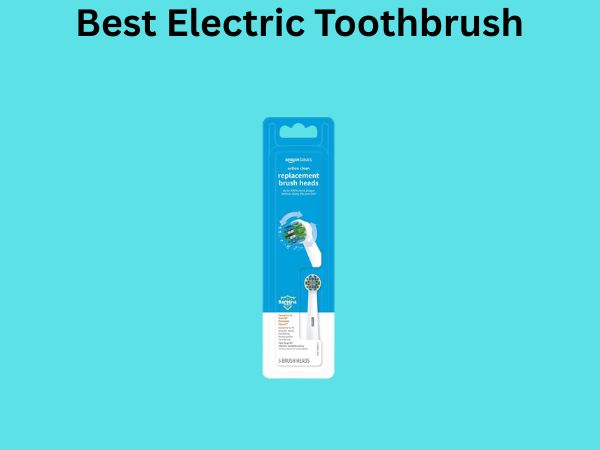
Both brands recommend replacing heads every three months. Oral-B heads typically cost 3 to 5 dollars each when bought in bulk, though individual replacements can be pricier. Sonicare heads are similarly priced, sometimes slightly more expensive depending on the model.
Over a 5-year period, you’ll buy around 20 replacement heads. This means factoring in an additional 60 to 100 dollars beyond your initial purchase. Both brands are roughly equivalent here, but this is something to consider when calculating true ownership cost.
What Dental Professionals Actually Recommend
I’ve talked to numerous dentists and hygienists about this comparison. Here’s what they consistently say:
Most dental professionals recognize both brands as excellent. Their recommendations typically depend on individual patient factors rather than brand loyalty. A dentist treating a patient with gingivitis might recommend Sonicare’s gentler approach, while recommending Oral-B to someone with braces.
The consensus is that either brand will dramatically improve your oral health compared to manual brushing, assuming you use it correctly and consistently. The “best” choice is the one you’ll actually use every day without exception.
Travel-Friendliness and Portability
If you travel frequently, this factor deserves serious consideration.
Size and Weight for Luggage
Sonicare’s compact design wins here. The brush is noticeably slimmer and lighter, taking up less space in your toiletries bag. Oral-B’s bulkier design requires more room, though it’s still quite travel-friendly compared to manual brushes.
Charging Solutions While Traveling
If your Sonicare model has USB charging, you have more flexibility while traveling. You can charge via laptop, portable battery packs, or hotel USB outlets. Oral-B’s reliance on inductive charging means you need the charging stand, which might be impractical for extended travel.
Durability in Transit
Oral-B’s more robust construction handles baggage handling slightly better. If your brush gets jostled around in luggage, Oral-B’s design is more forgiving.
Final Verdict: Which One Should You Choose?
Choose Oral-B If:
- You have braces or dental implants requiring precision cleaning
- Whitening and stain removal are primary goals