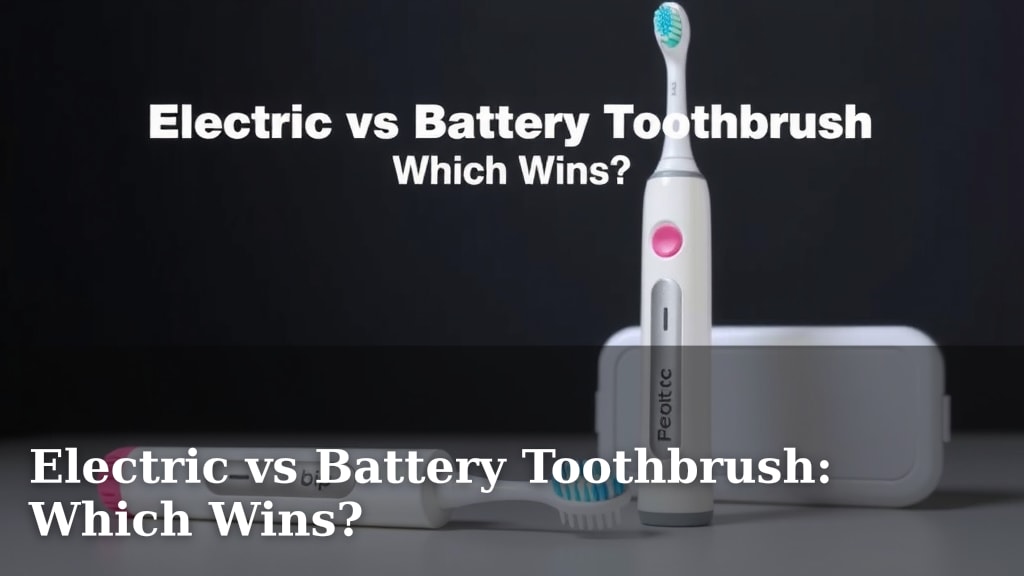
Electric vs Battery Toothbrush: Which Wins?
When choosing between an electric toothbrush and a battery-powered one, electric toothbrushes generally offer a superior clean. While both aim to remove plaque, electric models often use advanced technology for better results. Many dental professionals agree that the oscillating or sonic movements of electric brushes are more effective.
It’s a common question for anyone looking to upgrade their oral hygiene routine. You might be wondering if the extra cost of an electric toothbrush is truly worth it. We found that the primary difference lies in their power source and cleaning action. This impacts how well they can reach tricky spots and polish your teeth.
- Electric toothbrushes usually provide a deeper clean.
- Battery-powered ones are convenient but less powerful.
- Consider your budget and cleaning needs.
- Both require proper brushing technique.
Let’s break down the pros and cons of each type to help you make the best choice for your smile.
Electric vs. Battery Toothbrushes: Deciding Your Best Smile Helper
You’re probably wondering which type of toothbrush will give you the cleanest teeth. We found that electric toothbrushes generally do a better job removing plaque than manual or battery-powered ones. They often use advanced cleaning technologies for superior results.
How They Clean Differently
The main difference is how they move. Electric toothbrushes have built-in motors. These motors power a brush head that oscillates, rotates, or vibrates at high speeds. This action is more vigorous than what you can achieve by hand.
The Power of Oscillations and Vibrations
Many electric brushes use oscillating-rotating technology. The brush head spins rapidly back and forth. Some use sonic technology. This means the bristles vibrate at a very high frequency. We found research suggesting these movements are more effective at breaking up and sweeping away plaque (Cleveland Clinic).
Battery-Powered Toothbrushes: A Closer Look
Battery-powered toothbrushes are also electric, but they are simpler. They use a motor to move the brush head, but it’s usually a less powerful vibration or movement. Think of them as a step up from a manual brush, but not quite at the level of a full electric model.
These brushes are great for people who want a bit more cleaning power without the full investment of a high-end electric toothbrush. They are convenient for travel and often more affordable than their plugged-in counterparts.
Performance and Effectiveness
When it comes to plaque removal, electric toothbrushes often have the edge. Studies have shown that they can remove significantly more plaque than manual brushing. This is largely due to their consistent and powerful cleaning action.
We found that the high-speed movements of electric brushes can reach more surfaces. They often polish teeth better too. This can lead to healthier gums and a brighter smile over time.
What About Manual Brushing?
Don’t get us wrong, a manual toothbrush can still get your teeth clean! The key is using the right technique. You need to spend enough time brushing, reach all areas, and use gentle pressure. Many people, however, struggle with consistent technique.
Battery-powered brushes offer a middle ground. They provide some of the powered action of an electric brush. This can help users who aren’t as confident with manual brushing techniques. We found they can be easier to use effectively for some individuals.
Features and Convenience
Electric toothbrushes come with a wider array of features. Many have built-in timers to ensure you brush for the dentist-recommended two minutes. Some models offer pressure sensors. These alert you if you’re brushing too hard, which can damage gums and enamel.
App connectivity is another feature you’ll find on higher-end electric models. These apps can track your brushing habits. They provide feedback on coverage and technique. This can be incredibly helpful for improving your oral hygiene routine.
Ease of Use and Portability
For many people, battery-powered toothbrushes are the champions of convenience. You don’t need to worry about charging them. Just pop in some batteries, and you’re good to go. This makes them ideal for trips or keeping one at the office.
Electric toothbrushes require charging. This means you need access to an outlet. While battery life has improved greatly, it’s still something to consider. However, the ease of a consistent, powerful clean often outweighs the charging hassle for dedicated users.
Cost Considerations
Let’s talk about your wallet. Battery-powered toothbrushes are generally the most affordable. You can find them for a few dollars. Replacement heads are also usually inexpensive.
Electric toothbrushes represent a larger upfront investment. Prices can range from $20 to well over $100. Replacement brush heads also tend to be pricier. However, many experts suggest the long-term benefits for oral health can make them a worthwhile expense.
We found that when comparing long-term costs, you need to factor in replacement heads for both battery and electric types. The initial cost of a quality electric toothbrush might be higher, but the cleaning performance can justify the price for many.
Making Your Final Choice
So, which one is right for you? It depends on your priorities.
| Feature | Electric Toothbrush | Battery-Powered Toothbrush |
|---|---|---|
| Cleaning Power | Generally Higher (oscillating/sonic) | Moderate (powered vibration) |
| Plaque Removal | More Effective | Better than manual, less than electric |
| Features | Timers, pressure sensors, app connectivity | Basic motor action |
| Cost (Initial) | Higher | Lower |
| Cost (Replacement Heads) | Moderate to High | Low |
| Portability/Convenience | Requires charging | Very portable, no charging needed |
If you’re looking for the most effective plaque removal and are willing to invest a bit more, an electric toothbrush is likely your best bet. They offer advanced technology that can significantly improve your oral hygiene.
If you want a convenient upgrade from manual brushing without breaking the bank, a battery-powered toothbrush is a solid option. They offer powered cleaning and are perfect for on-the-go.
Your Quick Checklist for Choosing
- What’s your budget?
- How important is advanced cleaning tech?
- Do you need travel-friendly options?
- Are you looking for extra features like timers?
- What do dental professionals recommend for your needs?
Ultimately, the best toothbrush is the one you’ll use consistently and correctly. Both types can contribute to a healthier smile when used properly.
Conclusion
So, you’ve seen how electric toothbrushes generally offer a superior clean with advanced technology for plaque removal. Battery-powered brushes provide a convenient step up from manual brushing without the higher cost of a full electric model. Your best choice hinges on your budget, your desire for extra features like timers and pressure sensors, and how portable you need your toothbrush to be. To make your final decision, consider what aspects of oral hygiene are most important to you. Visit your dentist for personalized advice on which type will best suit your smile’s unique needs.
Frequently Asked Questions
Do dentists really recommend electric toothbrushes over battery-powered ones?
Yes, many dental professionals recommend electric toothbrushes. Research and studies we reviewed suggest their oscillating or sonic movements are generally more effective at removing plaque than manual or simpler battery-powered brushes. They often lead to better overall oral health outcomes.
Can a battery-powered toothbrush still be good for my teeth?
Absolutely! A battery-powered toothbrush is a good option if you want more cleaning power than a manual brush. They are more affordable and convenient, especially for travel, and can still improve your cleaning routine significantly compared to manual brushing alone.
Which type is better for sensitive gums?
Electric toothbrushes often have models with pressure sensors. These alerts help you avoid brushing too hard, which is key for sensitive gums. While battery-powered brushes are gentler than aggressive manual brushing, some electric models offer more precise control for sensitivity.
How often do I need to replace the brush heads for each type?
For both electric and battery-powered toothbrushes, it’s generally recommended to replace the brush heads every 3 to 4 months. This ensures optimal cleaning performance and hygiene. Check the manufacturer’s specific instructions for your model, as recommendations can vary slightly.
Is the higher cost of an electric toothbrush worth the investment?
For many people, the upfront cost of an electric toothbrush is worth it due to its superior plaque removal and potential for improved long-term oral health. If budget is a primary concern, a battery-powered brush offers a good balance of affordability and enhanced cleaning action.