Does It Matter What Electric Toothbrush You Use? A Complete Guide to Finding Your Perfect Match
I get asked this question all the time, and honestly, it’s one of those topics where the answer isn’t as straightforward as you might hope. You walk into a store or scroll through an online retailer, and you’re bombarded with options—oscillating brushes, sonic toothbrushes, rotating heads, fancy app connectivity, and price tags that range from thirty bucks to three hundred. So does it really matter which one you grab? The truth is, it depends on several factors that are unique to you and your oral health needs.
Why Electric Toothbrush Selection Actually Matters More Than You Think
Let me paint you a picture. Imagine you’re buying shoes. Sure, any shoe will technically cover your foot and help you walk, but wearing the wrong pair can lead to blisters, discomfort, and eventually, you’ll just stop wearing them. The same principle applies to electric toothbrushes. Just because a toothbrush vibrates doesn’t mean it’s the right tool for your mouth. Your choice can significantly impact your plaque removal, gum health, and overall dental hygiene results.
The reality is that not all electric toothbrushes are created equal. They vary in their technology, brush head design, power settings, battery life, and price point. Making an informed decision means understanding what differentiates them and which features actually matter for your specific situation.
Understanding Different Types of Electric Toothbrushes
Before we dive deeper, let’s establish what we’re working with. There are primarily three main categories of electric toothbrushes, and each operates differently in your mouth.
Oscillating-Rotating Toothbrushes: The Most Common Choice
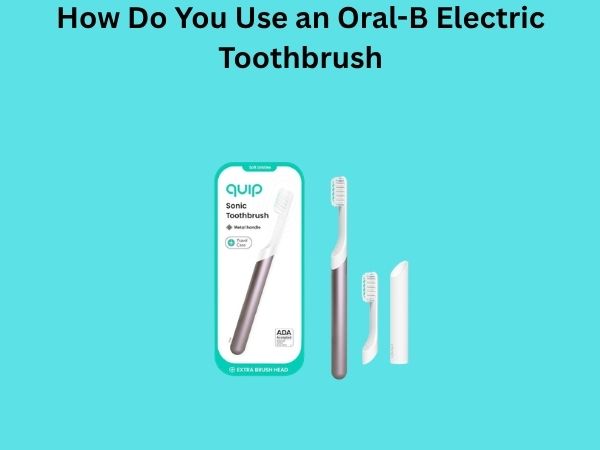
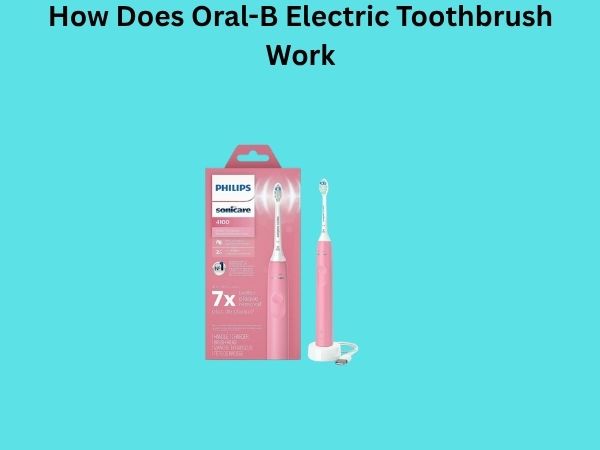
These are the toothbrushes that move side to side rapidly, typically making thousands of vibrations per minute. Brands like Oral-B dominate this market, and they’re probably what you picture when someone mentions an electric toothbrush. The bristles move back and forth in a rapid, sweeping motion that mimics proper manual brushing technique.
What I appreciate about this technology is that it’s straightforward and effective. The brush heads are often smaller, which gives you better control in hard-to-reach areas. Most oscillating-rotating brushes come with multiple intensity settings, allowing you to start gentle if your gums are sensitive and gradually increase power as you adjust.
Sonic Toothbrushes: The Speed Demons
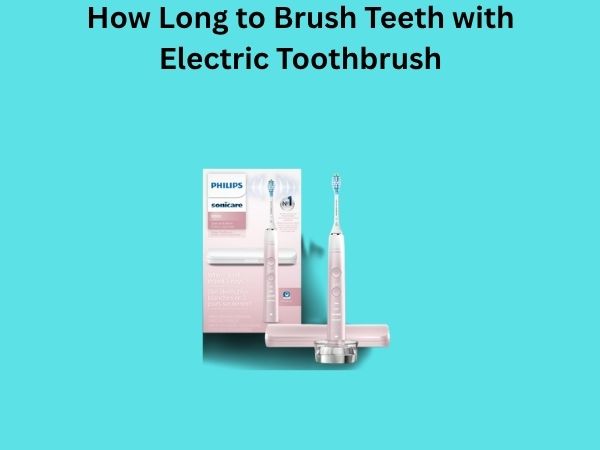
Sonic toothbrushes operate at an entirely different frequency. These generate vibrations at speeds that can exceed thirty thousand strokes per minute—that’s roughly three times faster than oscillating brushes. Brands like Sonicare are the leaders in this technology. Rather than using rotating or oscillating motions, sonic brushes vibrate at such high speeds that the bristles create a dynamic fluid action in your mouth.
The theory behind sonic technology is that these high-frequency vibrations can actually create tiny bubbles in your mouth that help clean areas the bristles can’t physically reach. Some users swear by this technology, reporting that their teeth feel cleaner and their gums look healthier.
Ionic Toothbrushes: The Minimalist Option
These are less common than the previous two types, but they’re worth knowing about. Ionic toothbrushes rely on a low-level ionic charge to help loosen plaque from your teeth. They typically vibrate at lower speeds and are often gentler on sensitive teeth. However, their effectiveness compared to oscillating or sonic models remains somewhat debatable among dental professionals.
Key Factors That Influence Which Toothbrush Is Right for You
So here’s where the rubber meets the road. Whether an electric toothbrush matters for you depends on evaluating your personal circumstances against what the market offers.
Your Gum Sensitivity and Dental Health Status
If you have sensitive gums or have been diagnosed with gingivitis, your toothbrush choice becomes more critical. Not all brushes are created equal when it comes to gentleness. Some models have specially designed soft bristles and adjustable intensity settings that won’t aggravate inflamed tissues. Others might be too aggressive for your current situation.
I always recommend that people with gum sensitivity start with brushes that offer multiple power settings, particularly those with a sensitive mode. This gives you flexibility to gradually strengthen your gum health without causing discomfort or bleeding during the adjustment period.
Your Brushing Technique and Discipline
Here’s something many people don’t consider: your discipline with brushing matters regardless of which toothbrush you use. If you’re someone who brushes for only thirty seconds and rushes through your routine, even the most advanced toothbrush won’t save you. Conversely, if you’re meticulous about spending two minutes and reaching all surfaces, a basic electric brush might serve you just fine.
That said, many electric toothbrushes include built-in timers and pressure sensors that provide gentle feedback if you’re pressing too hard. These features can actually improve your technique and help you develop better habits, which justifies choosing a more feature-rich model if you’re prone to poor brushing habits.
Your Budget and Financial Commitment
Let’s be honest—budget plays a role here. A quality oscillating or sonic toothbrush can cost anywhere from fifty to three hundred dollars. Then you need to factor in replacement brush heads, which typically run twenty to forty dollars and should be replaced every three months.
The question isn’t which is the most expensive, but rather which offers the best value for your lifestyle. A premium toothbrush doesn’t automatically mean better cleaning if you’re not going to use it consistently. Sometimes a less expensive option that you’ll actually commit to using is superior to a high-end model gathering dust in your bathroom.
Portability and Travel Considerations
Are you constantly on the go? Do you travel frequently? Then your toothbrush choice should reflect that reality. Some electric brushes are compact and lightweight with reliable battery life, while others are bulkier and require frequent charging. If you travel regularly, you might prioritize a toothbrush with excellent battery longevity or one that charges quickly.
Does the Brand Really Matter?
You’ve probably noticed that certain brands dominate the electric toothbrush market. Oral-B and Sonicare are the heavyweights, and for good reason. They’ve invested heavily in research and development, and their products have decades of clinical testing behind them. But does this mean budget brands are inferior?
Not necessarily. While established brands typically offer better build quality and more features, some lesser-known brands produce reliable toothbrushes that perform adequately. The risk with budget brands is that you might sacrifice durability or customer support if something goes wrong. However, if you’re primarily concerned with basic plaque removal and don’t need fancy features, a budget option might work perfectly fine.
Where brand reputation really matters is in finding replacement brush heads and accessing customer service. If you choose an obscure brand and it stops working after a year, you might have difficulty finding support or replacement parts.
The Role of Brush Head Design in Your Cleaning Results
Here’s something that’s often overlooked: the brush head itself matters tremendously. Different designs serve different purposes.
Smaller Brush Heads and Precision Cleaning
Oscillating-rotating brushes typically have smaller, rounder heads. This design allows you to navigate tight spaces between teeth and along the gum line with greater precision. If you have crowded teeth or extensive dental work like bridges or implants, a smaller head gives you the dexterity to clean around these obstacles effectively.
Larger Brush Heads and Coverage
Some sonic toothbrushes feature larger brush heads designed to cover more surface area with each motion. If you have well-spaced teeth and prioritize overall cleaning speed, this approach might appeal to you. The tradeoff is less precision in tight spaces.
Bristle Stiffness Variations
Brush heads also come in different bristle stiffness levels. Standard, soft, and extra-soft options exist. If you have healthy gums and strong teeth, standard or firm bristles work well. But if you’re prone to sensitivity or have recently been treated for gum disease, softer bristles are genuinely better for your mouth.
Features That Justify Paying More
Not all additional features are just marketing fluff. Some genuinely improve your brushing experience and outcomes.
Smart Connectivity and App Integration
Some modern toothbrushes connect to your smartphone and track your brushing patterns. While this might sound gimmicky, it can genuinely help people develop better habits. Seeing a visual representation of how long you brush each section of your mouth might motivate you to improve your technique. However, this feature typically adds significant cost and complexity.
Pressure Sensors
A pressure sensor alerts you when you’re brushing too hard, which can damage your gums over time. This is particularly valuable if you have a tendency to scrub rather than gently brush. Many quality toothbrushes include this feature, and I genuinely recommend prioritizing it if you have sensitive gums.
Multiple Brushing Modes
Beyond basic intensity adjustment, some toothbrushes offer specialized modes for sensitive teeth, gum massage, whitening, and tongue cleaning. If you have specific oral health goals beyond basic cleaning, these modes can be helpful. However, if your priority is simply effective daily cleaning, basic intensity settings suffice.
Battery Life and Charging Options
Premium models often feature longer battery life and faster charging. A toothbrush that lasts three weeks on a single charge is more convenient than one requiring daily charging. If you travel or prefer minimal maintenance, investing in longer battery life pays dividends.
What Does Research Actually Tell Us?
Let me ground this discussion in science. Numerous clinical studies have examined the effectiveness of different electric toothbrush types. The consensus from dental research is pretty clear: both oscillating-rotating and sonic toothbrushes effectively remove plaque and reduce gingivitis when used properly. The differences in effectiveness between quality models are often negligible.
What this means is that the “best” toothbrush isn’t necessarily determined by technology type, but rather by whether you’ll consistently use it properly. A toothbrush that you enjoy using and commit to using twice daily will outperform an advanced model that you resent and neglect.
Making Your Decision: A Practical Framework
So how do you actually choose? Here’s my recommendation for approaching this decision systematically.
First, honestly assess your current oral health status. Do you have sensitive gums? Existing gum disease? Healthy teeth and gums? This determines your baseline requirements. Someone with healthy teeth can prioritize comfort and features, while someone with gum disease should prioritize gentleness and effectiveness.
Second, consider your lifestyle and realistic usage patterns. Will you remember to charge this toothbrush? Do you travel frequently? Will you stick with a routine, or do you need motivation and tracking features? Your answers to these questions should guide your feature selection.
Third, determine your budget for both the initial purchase and ongoing replacement heads. Factor this into your decision rather than ignoring it. A reasonably priced toothbrush that you can afford to maintain with replacement heads is better than an expensive one that you eventually abandon.
Fourth, read actual user reviews from people with similar oral health situations to yours. Not generic reviews, but detailed accounts from people who share your concerns. Someone with sensitive gums reviewing a particular model’s gentle mode provides valuable insights that marketing materials never will.
Finally, don’t overthink this. Unless you have specific dental concerns, any quality oscillating or sonic toothbrush from an established brand will serve you well. The differences in cleaning effectiveness between quality models are minimal. Your choice between them is more about personal preference and lifestyle compatibility than objective superiority.
Common Mistakes People Make When Choosing Electric Toothbrushes
Before we wrap up, let me highlight mistakes I see people make repeatedly.
- Choosing based solely on price without considering durability or replacement head availability
- Prioritizing fancy features over core brushing effectiveness and gentleness
- Ignoring their specific gum sensitivity or dental health conditions
- Selecting a toothbrush that’s inconvenient to use, leading to abandonment
- Assuming that more expensive automatically means better
- Neglecting to replace brush heads as recommended, reducing effectiveness over time
The Bottom Line: Does It Matter?
Yes, it matters—but perhaps not in the way you initially thought. It matters that you choose an electric toothbrush that suits your specific oral health needs, fits your lifestyle, and is something you’ll genuinely commit to using. It doesn’t matter whether you choose oscillating or sonic technology from a quality brand, as both are clinically proven effective.
What ultimately matters most is consistency. Using a basic electric toothbrush properly every day beats using a top-of-the-line model sporadically. Your choice should prioritize compatibility with your habits and preferences, which determines whether you’ll stick with it long-term.
Conclusion
The electric toothbrush landscape can feel overwhelming, but stepping back and evaluating your specific situation simplifies the decision considerably. Your choice depends on your gum sensitivity, dental health status, lifestyle habits, budget, and personal preferences—not on which brand has the best marketing.
Whether you’re choosing between top-tier options or working within a modest budget, remember that the best toothbrush is the one you’ll actually use consistently and properly. A basic electric toothbrush that fits your routine perfectly will deliver better results than an expensive model you resent using. Focus on finding the right fit for your circumstances, commit to proper technique, and your teeth will thank you regardless of which model you ultimately select. The technology is mature enough that any quality electric toothbrush will improve your oral hygiene compared to manual brushing—the real variable is you.
Frequently Asked Questions
Can an electric toothbrush damage your gums if you use the wrong one?
Yes, using an inappropriate toothbrush or brushing technique can damage your gums. Electric toothbrushes with very stiff bristles or extremely high power settings might cause gum recession or bleeding, particularly if you already have sensitive gums. This is why choosing a model with adjustable intensity and soft bristle options matters if you have gum concerns. Always select a toothbrush specifically designed for sensitive gums if you’ve experienced gum problems in the past.
Is a sonic toothbrush better than an oscillating one for removing plaque?
Clinical research shows that quality sonic and oscillating toothbrushes are approximately equal in their plaque removal effectiveness. The choice between them comes down to personal preference and comfort rather than objective superiority. Some people find sonic brushes more comfortable, while others prefer the gentle oscillating motion. Both technologies work well when used properly for the recommended two minutes twice daily.
How often should you replace your electric toothbrush head, and does this affect your choice?
Most dental professionals recommend replacing your toothbrush head every three months or when bristles become frayed, whichever comes first. This means you should consider the cost and availability of replacement heads when choosing a toothbrush. Brands with widely available replacement heads at reasonable prices might be more economical long-term than premium brands with expensive proprietary heads.
Do electric toothbrushes with smart features actually improve your brushing habits?
For some people, yes. Smart toothbrushes that track brushing time and coverage through app connectivity can motivate users to maintain better habits by providing visual feedback and data. However, this benefit only materializes if you actually value the feedback and engage with the app. If you’re the type of person who ignores notifications and data, the smart features add cost without benefit.